

The world’s economic stage is witnessing a dramatic pivot. For years, the narrative has been dominated by a specific rhythm of trade, but now, the two largest players, the United States and China, are changing their steps. This isn’t just a distant affair for us here in Malaysia; it’s a profound shift that sends ripples directly to our shores. As these economic giants recalibrate their relationship, a new map of opportunities and challenges is being drawn for Southeast Asia. For agile Malaysian entrepreneurs and established corporations alike, understanding this evolving dynamic is not just wise—it is essential for future growth and stability. We are at a moment where being observant and strategic can unlock new paths to prosperity.
A New Chapter in Global Trade
The intricate dance of global commerce is being redefined by the ongoing US-China Economic Realignment. What was once a relationship characterised by escalating tensions is now entering a new phase of careful dialogue and negotiation. High-level summits and discussions are becoming the new norm, signalling a move away from outright conflict towards a more managed competition. This recalibration is not about returning to the old ways but about forging a new, more strategic form of engagement. This shift impacts everything, from supply chain logistics to investment flows, creating a different kind of Global Business Landscape for everyone to navigate. For Malaysia, positioned strategically in the heart of Asia, this change presents a unique set of circumstances that we must be prepared to address.
The Fine Print of New Agreements
These top-level talks are more than just handshakes and photo opportunities; they are leading to tangible commercial outcomes. The process involves intensive Strategic Trade Negotiations aimed at balancing economic interests. For instance, landmark commitments, such as potential large-scale purchases of American products like Boeing aircraft by China, illustrate a clear intent to find common ground. Furthermore, discussions around China potentially increasing its oil imports from the United States show a willingness to use trade as a tool for diplomatic stabilisation. These specific deals are the building blocks of a new economic framework, and each agreement has a cascading effect on international markets, influencing commodity prices, manufacturing demands, and shipping routes that directly concern businesses in our region.
Finding Malaysia’s Advantage
So, what are the direct Implications for Malaysian Businesses? As the US and China adjust their trade dependencies, gaps and opportunities emerge. Companies worldwide are actively pursuing “China+1” strategies to diversify their supply chains, making politically neutral and economically stable nations like Malaysia an attractive alternative for manufacturing and investment. This geopolitical recalibration could position our country as a key hub for trade and production in the region. However, navigating this complex international environment requires a proactive approach. Malaysian business leaders must look beyond our borders to understand how these global power dynamics can be leveraged to our advantage, whether through attracting new foreign direct investment or securing a more prominent role in reshaped global supply chains.

Mapping Out New Economic Routes
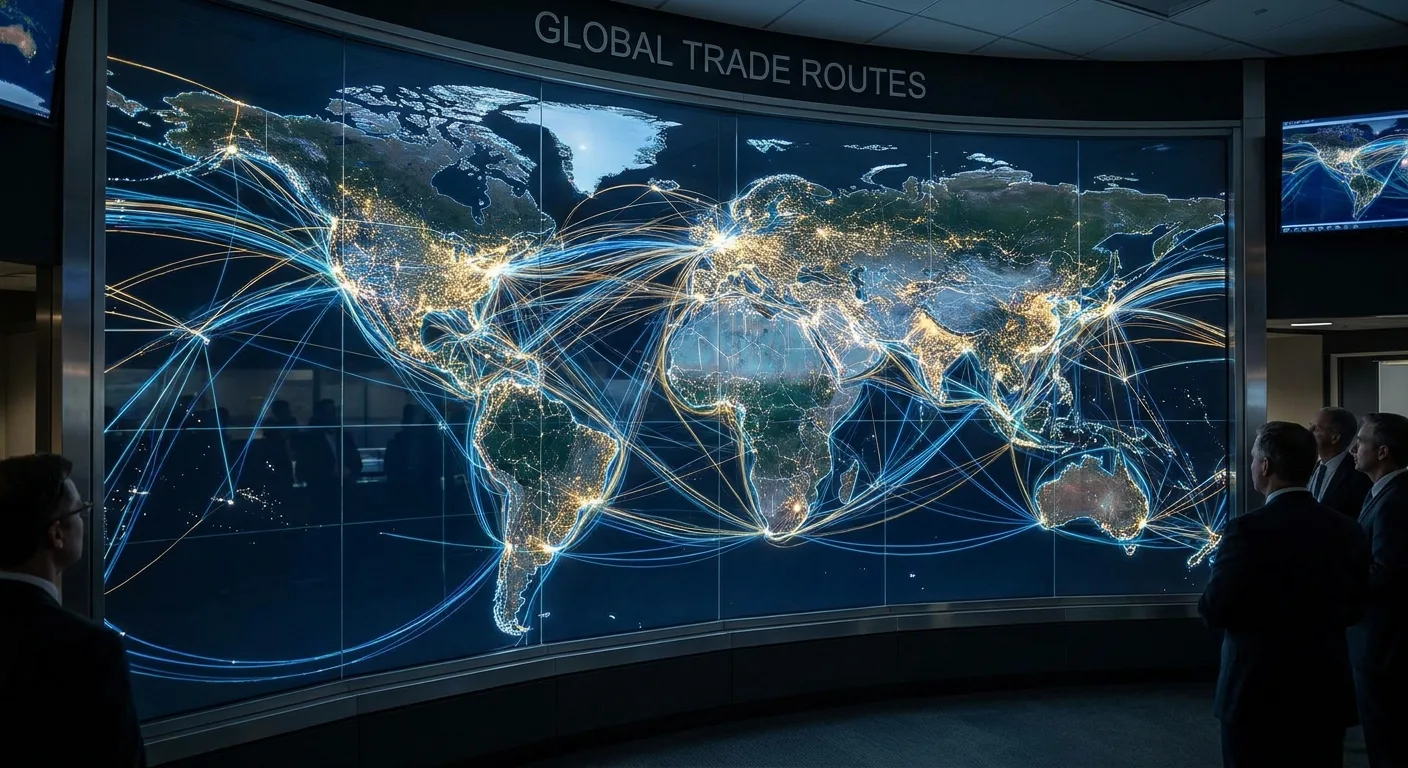
This evolving environment necessitates a keen eye for Emerging Trade Corridors. The traditional east-west trade routes are being complemented, and sometimes challenged, by new networks. The ongoing US-China Economic Realignment is accelerating this process. As a nation, we cannot afford to remain passive observers. Instead, we must actively identify and explore these new pathways. This means strengthening our trade relationships within ASEAN, as well as with other emerging economies that stand to benefit from the shifting global order. By staying informed and adaptable, Malaysian businesses can position themselves at the forefront of this new era, turning potential disruption into a strategic advantage and securing a strong footing in the revised Global Business Landscape. The conversations happening in Washington and Beijing today are shaping the opportunities we can seize tomorrow.
Staying Strategic and Proactive
The key takeaway is clear: the changes we are seeing are not temporary. This is a deliberate shift with long-term consequences, and understanding the core principles of these Strategic Trade Negotiations is fundamental. Malaysian companies that take the time to study these developments will be better equipped to make informed decisions. Grasping the full Implications for Malaysian Businesses means going beyond the headlines and analysing how supply chain diversification, investment flows, and new partnerships can create tangible value. Exploring Emerging Trade Corridors isn’t just an academic exercise; it’s a practical strategy for building resilience and unlocking growth in an uncertain world. The proactive will thrive.
In conclusion, the economic relationship between the United States and China is not merely a foreign headline; it is a powerful force shaping our immediate business environment. For entrepreneurs and executives in Malaysia, this is a call to action. It is crucial to closely monitor these developments, from high-level policy shifts to specific commercial agreements, as they will significantly impact our collective future. By actively preparing, we can adapt our Southeast Asian Economic Strategies to not only weather the changes but also to capitalise on the unique opportunities they present. Staying informed, agile, and forward-thinking will be the key to navigating this new global terrain and ensuring Malaysia’s continued economic success in the years to come.