

Navigating the choppy waters of the global economy feels a lot like steering a ship through an unexpected storm. One moment, the path ahead is clear; the next, waves of uncertainty are crashing against the hull. For us here in Malaysia, these are not distant storms. The shifts in the world’s largest economies create very real ripples that reach our shores, presenting new challenges and questions for Malaysian businesses. The current landscape, marked by significant global economic uncertainty, demands more than just a steady hand; it calls for a new map. This article explores the nature of these economic headwinds and outlines practical strategies our businesses can adopt to not only survive but also find new routes to success.
The Ripple Effect from Abroad
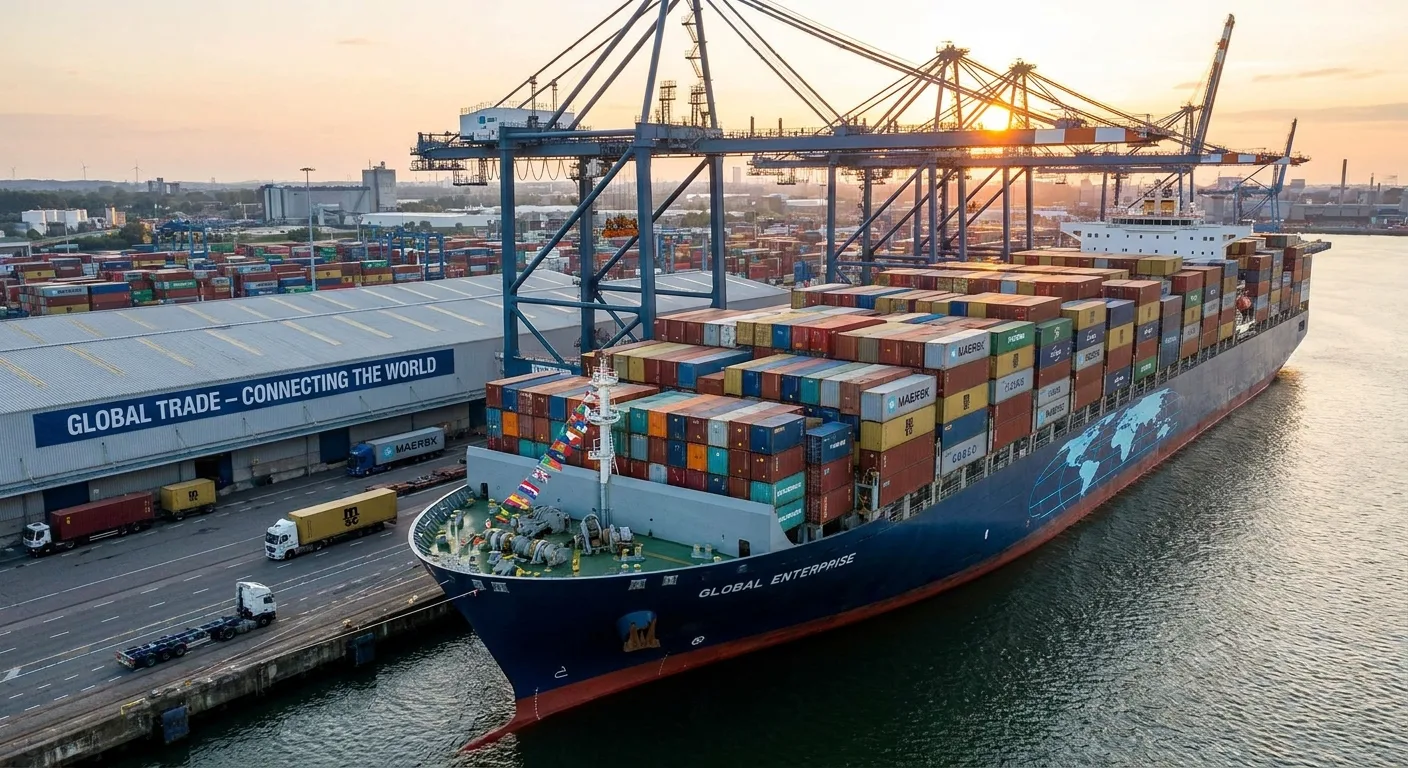
It’s impossible to discuss the global economy without looking at its largest players. Currently, two major developments are sending waves across international markets. Firstly, China, a huge consumer of goods from around the world, is experiencing a slowdown in its domestic demand. For a country like Malaysia, which exports a significant amount of raw materials and finished products to China, this cooling effect is felt directly. Fewer orders for everything from palm oil to electronic components mean reduced revenue for our local producers and manufacturers.
Secondly, the persistent trade tensions between the United States and China continue to reshape global supply chains. These disputes, often involving tariffs and trade barriers, create a climate of unpredictability. Malaysian companies that are part of these supply chains can find themselves caught in the middle, facing disruptions and increased costs that are entirely out of their control.
Why This Matters for Malaysia
As a nation built on trade, our economic health is closely tied to the world’s economic pulse. When global demand weakens, the impact on Malaysian businesses, especially small and medium-sized enterprises (SMEs) that form the backbone of our economy, can be substantial. These companies often have tighter margins and fewer resources to absorb shocks like cancelled orders or volatile shipping costs.
This situation highlights a critical vulnerability: an over-reliance on a few traditional trading partners. While our relationships with major economies are important, the current climate shows us that it’s time to think differently. Relying too heavily on a handful of markets is a risky strategy in the long run. The clear path forward involves actively seeking out and developing new export markets to create a more balanced and stable foundation for growth.
Building a Stronger Ship: Strategies for Success
Facing these headwinds doesn’t mean we should head back to port. Instead, it’s about reinforcing our businesses to make them more seaworthy. The key lies in being proactive rather than reactive. Here are three core strategies to consider:
- Diversify Your Destinations: Now is the time to seriously explore new export markets. The ASEAN region, with its growing middle class, presents a wealth of opportunities right on our doorstep. The recent RCEP (Regional Comprehensive Economic Partnership) agreement has also opened doors, reducing trade barriers among 15 Asia-Pacific nations. Looking further to the Middle East or parts of Africa could also uncover untapped demand for Malaysian goods and services.
- Strengthen the Home Base: While looking abroad is important, we must not neglect the market at home. Strengthening domestic consumption provides a vital buffer against international volatility. Businesses can pivot by tailoring products and marketing campaigns to local tastes and needs, contributing to a more self-sufficient national economy.
- Enhance Operational Agility: True business resilience comes from within. This means running a tighter ship. Focus on smart cash flow management, adopt lean operational practices to reduce waste, and invest in technology that improves efficiency. An agile business can adapt more quickly to changing market conditions, whether that means scaling production up or down, or pivoting to a new product line.

Conclusion
In summary, the current climate of global economic uncertainty is not a temporary squall but a fundamental shift in the trading environment. The ongoing trade tensions and changing economic landscapes in major countries are challenges that Malaysian companies must face head-on. However, these challenges also bring opportunities. By strategically diversifying into new markets, strengthening our domestic economy, and building robust business resilience, we can do more than just weather the storm. We can chart a course towards a more secure and prosperous future. The power lies in our ability to adapt, innovate, and act decisively. Let us work together to ensure our businesses are equipped not just to navigate these waters, but to thrive in them.