

A quiet revolution is reshaping our world, and it is not happening on a battlefield, but in the ones and zeros of computer code. Artificial Intelligence, or AI, has moved from the realm of science fiction into our daily business operations. As we stand at this turning point, we look to digital leaders like South Korea for insights. Their top officials are already asking the difficult questions: How do we fairly share the new wealth AI creates? And what happens to our workforce? These are not just academic debates; they are urgent considerations for our own nation. For businesses across Malaysia, the time to plan is now. We must figure out how to embrace AI’s power while ensuring it benefits everyone, creating a stronger and more inclusive economy for the future.
A Glimpse from South Korea: Lessons for Malaysia
When a technology leader like South Korea speaks, it pays to listen. Their government is looking beyond the immediate excitement of AI and is grappling with its profound societal impact. Their concerns centre on two main areas: the fair distribution of wealth generated by AI and the potential for job losses. This forward-thinking perspective is a valuable lesson for us in Malaysia. It reminds us that adopting AI is not merely a technical upgrade. It is a major economic and social shift. We must proactively think about how these changes will affect our communities, from factory floors in Penang to office towers in Kuala Lumpur. Ignoring these questions now could lead to significant social challenges down the line.

The Opportunities and Challenges of AI in Business
For any Malaysian company, AI presents a landscape of both brilliant opportunity and significant challenge. The upsides are clear: increased efficiency through automation, deeper customer insights from data analysis, and the creation of new, innovative products and services. Imagine being able to predict stock needs perfectly or offer every customer a truly personal experience. This is the promise of **AI in Business**. However, the path is not always smooth. The cost of entry, the need for specialised skills, and the fear among employees about being replaced are real hurdles. The key is to approach AI not as a tool to simply cut costs, but as a partner to enhance human capabilities and drive meaningful growth.
Crafting a Thoughtful Malaysian AI Strategy
Jumping into AI without a plan is a recipe for wasted resources and missed opportunities. A successful approach requires a clear and thoughtful **Malaysian AI Strategy**. This does not mean every company needs to build a complex AI from scratch. It starts with identifying specific business problems that AI could help solve. Could it improve your logistics? Can it help your marketing team understand customers better? Starting small with pilot projects allows a company to learn and adapt without huge risk. As we develop this strategy, we must also align it with our national goals, ensuring that our technological progress contributes to the country’s overall economic health and resilience.
Beyond the Code: Prioritising Ethical AI Implementation
As we integrate AI into our operations, we carry a great responsibility. The technology is only as good and as fair as the data we feed it and the rules we give it. This is why **Ethical AI Implementation** is not just a buzzword; it is a business necessity. We must demand transparency in our AI systems, meaning we should be able to understand, or at least explain, why an AI makes a particular decision. We must actively work to remove biases from our data to ensure our AI tools are fair to all groups. For companies in Malaysia, building trust with customers and employees means being open and honest about how AI is being used and proving a commitment to using it responsibly.
Preparing Our People for the AI Workforce Transformation
Perhaps the most critical piece of the AI puzzle is its impact on people. The conversation around the **AI Workforce Transformation** should be focused less on job replacement and more on job evolution. Many routine, repetitive tasks will be automated, freeing up human workers to focus on more complex, creative, and strategic work. To make this a reality, businesses must invest heavily in upskilling and reskilling programmes. We need to create a culture of continuous learning, preparing our teams for a future where they work alongside AI. This transformation is an opportunity to create more engaging and fulfilling jobs, but only if we proactively manage the transition and support our people every step of the way.
Balancing Progress with Responsibility for a Shared Future
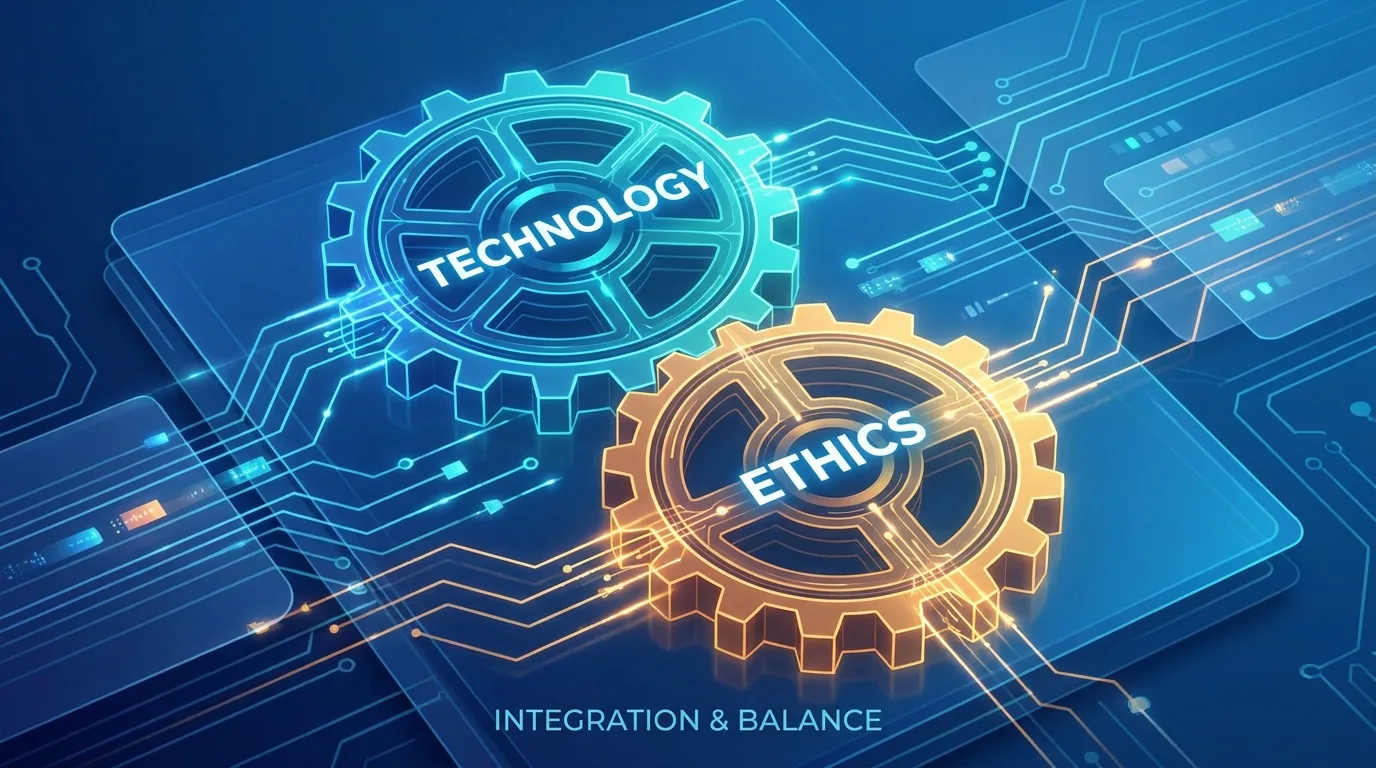
The successful integration of AI into our economy requires a delicate balancing act. On one side, we have the immense drive for innovation and the competitive advantages that effective **AI in Business** can bring. On the other, we have our duty to our society. A comprehensive **Malaysian AI Strategy** must therefore be built on a dual foundation: ambitious technological goals and a strong social conscience. This means encouraging innovation while putting safeguards in place through **Ethical AI Implementation**. It involves pushing for progress while ensuring a just and supportive **AI Workforce Transformation** for our people. It’s about creating a future where technology serves humanity, not the other way around.
In conclusion, the AI revolution is well underway, and its currents are felt strongly here in Malaysia. As we have seen from the forward-looking perspective of South Korea, embracing this technology is about more than just software and algorithms. It is about shaping our future. By focusing on a balanced approach—one that seizes opportunities, plans strategically, prioritises ethics, and invests in our people—Malaysian businesses can do more than just survive this new era. We can lead. By making smart, responsible choices today, we can harness the power of AI to build a more prosperous, innovative, and equitable Malaysia for everyone. The journey is complex, but with a clear vision and a shared commitment, it is a path we can navigate with confidence.