

Adaptive Strategies for Economic Uncertainty in Malaysia
Have you ever felt like you are navigating a financial maze with the map changing every few minutes? That is the reality for many Malaysian investors today. Reading the daily business news can feel like a rollercoaster ride—one headline cheers on a market rally, while the next warns of global headwinds affecting our shores. This constant flux, particularly with our currency and property market, can make even the most seasoned investor feel a bit unsteady. It is clear that the old investment rulebooks are becoming outdated. In this environment, succeeding is not just about having a plan, but about having a plan that can bend without breaking. This article explores how to move forward with confidence, using smart, flexible strategies to turn today’s challenges into tomorrow’s opportunities.
The New Normal of the Economy
For many across Malaysia, the feeling of unpredictability is no longer a temporary phase; it has become a steady feature of our business landscape. This sustained period of economic uncertainty is driven by a mix of global pressures and local adjustments. We see it in the fluctuating prices of everyday goods, influenced by global supply chains that are still recovering. We also see it in the cautious spending habits of both consumers and corporations. This environment demands a shift in mindset. Instead of waiting for things to “get back to normal,” the most successful investors are accepting this volatility as the new standard and learning to work within it. This means looking at investments not just for their potential growth, but for their resilience during downswings.
Navigating Today’s Investment Landscapes
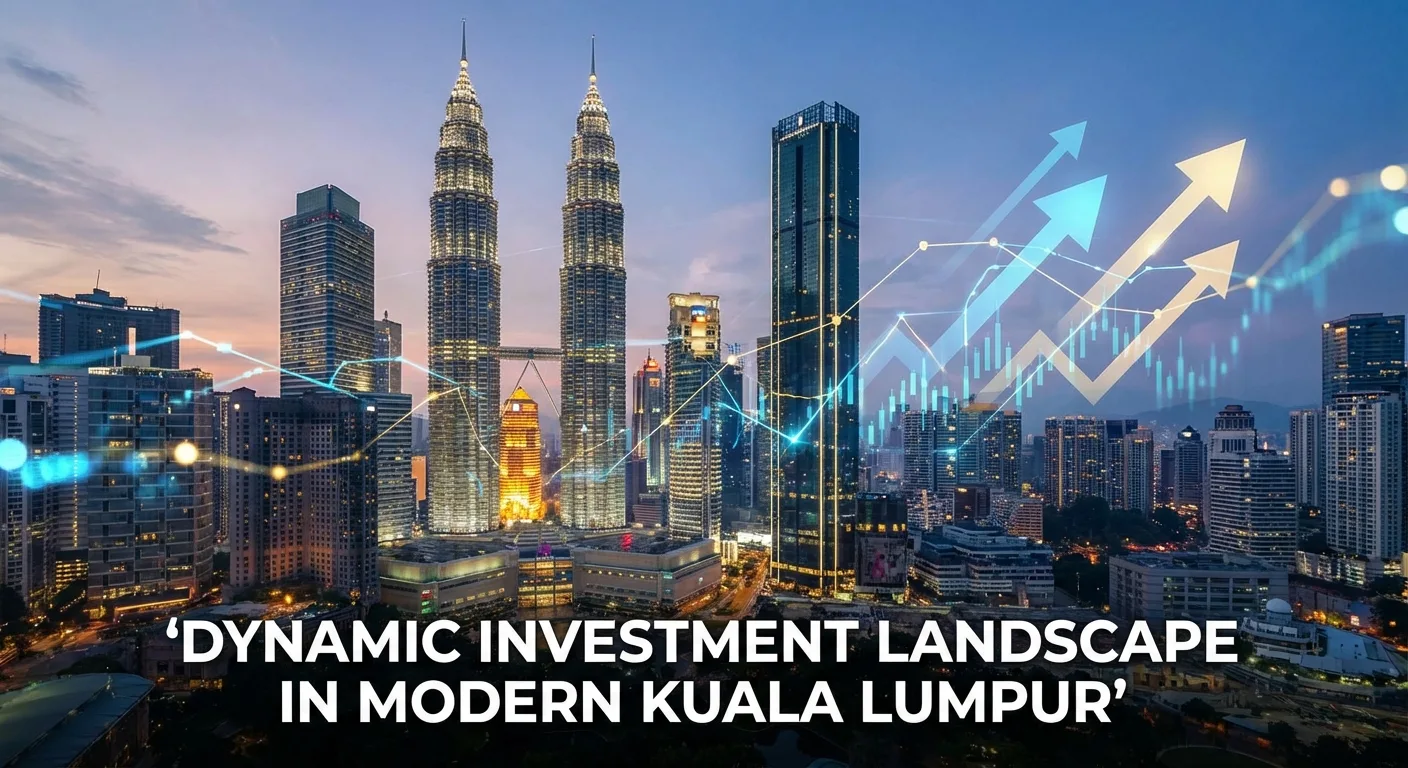
The current climate has reshaped traditional investment avenues. In real estate, for instance, the focus is expanding beyond just residential condominiums. While the housing market in areas like the Klang Valley shows signs of steady demand, savvy investors are also looking at commercial properties with renewed interest. Niche assets such as convention centres, data centres, and specialised warehousing are gaining attention as they cater to new economic demands. At the same time, we must navigate the complexities of currency fluctuations. A weaker Ringgit may be challenging for importers, but it presents an opportunity for export-oriented businesses. Similarly, Malaysia’s position as a key player in commodity markets like palm oil means that global demand shifts can create both risk and significant opportunity. Understanding these interconnected forces is the first step toward making informed decisions.
Adapting Investment Strategies for Success
Success in this era is less about finding a single “perfect” investment and more about building a robust framework. The first pillar of this framework is conducting thorough due diligence. This goes beyond just looking at a company’s balance sheet. It now involves stress-testing a potential investment against various economic scenarios. How would it perform if the Ringgit weakens further? What if supply chain costs increase by 10%? The second pillar is smart diversification. This isn’t just about owning stocks and bonds; it’s about diversifying across different asset classes, industries, and even geographies. Spreading investments helps cushion your portfolio from a blow to any single sector. Finally, staying informed is non-negotiable. We make it a point to regularly review reports from Bank Negara Malaysia, analyse budget announcements, and keep a close watch on global economic shifts that could impact our local market.

A Balanced Approach for Malaysian Investors
Developing a successful portfolio in these times requires a delicate balance between caution and calculated risk-taking. It is wise to be cautious—to protect your capital and avoid speculative gambles. However, too much caution can lead to missed opportunities. The key is to take calculated risks based on solid research and a clear understanding of your own risk tolerance. This might mean investing in a promising local tech startup or acquiring a commercial property in an up-and-coming area. Alongside this, maintaining a long-term perspective is crucial. Short-term market volatility can be unsettling, but it should not derail a fundamentally sound investment strategy. History has shown that markets recover and quality assets tend to appreciate over time. By focusing on the long-term horizon, we can ride out short-term turbulence with greater confidence.
Conclusion: Embracing Adaptability for Financial Resilience
In closing, navigating the current economic climate is undoubtedly a challenge, but it is far from an impossible one. The key takeaway for every Malaysian investor should be the importance of adaptability. The days of a “set and forget” strategy are behind us. Instead, we must embrace a more dynamic approach built on careful research, strategic diversification, and a balanced view of risk. By adopting adaptive investment strategies, we can not only protect our portfolios from the ongoing economic uncertainty but also position ourselves to seize the unique opportunities that emerge from it. Here at our firm, we believe that with the right mindset and a flexible plan, the path to long-term financial resilience and growth is well within reach for every informed investor in Malaysia.