

How Global Tensions Shape Malaysia’s Economy
A tremor in the Middle East can send shudders through boardrooms in Kuala Lumpur. This isn’t just a headline; it’s the current reality for modern Malaysian businesses and investors. The international business landscape is rarely a calm sea, but recent geopolitical developments have whipped up a storm of uncertainty, creating significant waves that are now reaching our shores. These global tensions are directly influencing financial markets across Asia and causing oil prices to swing unpredictably. For those of us navigating the Malaysian economy, understanding these powerful undercurrents is not just important—it’s essential for survival and growth. This article will explore how these global events connect, what they mean for our market, and how we can prepare to sail through these choppy waters.
Global Geopolitical Tensions: Shaping Our Economic Landscape
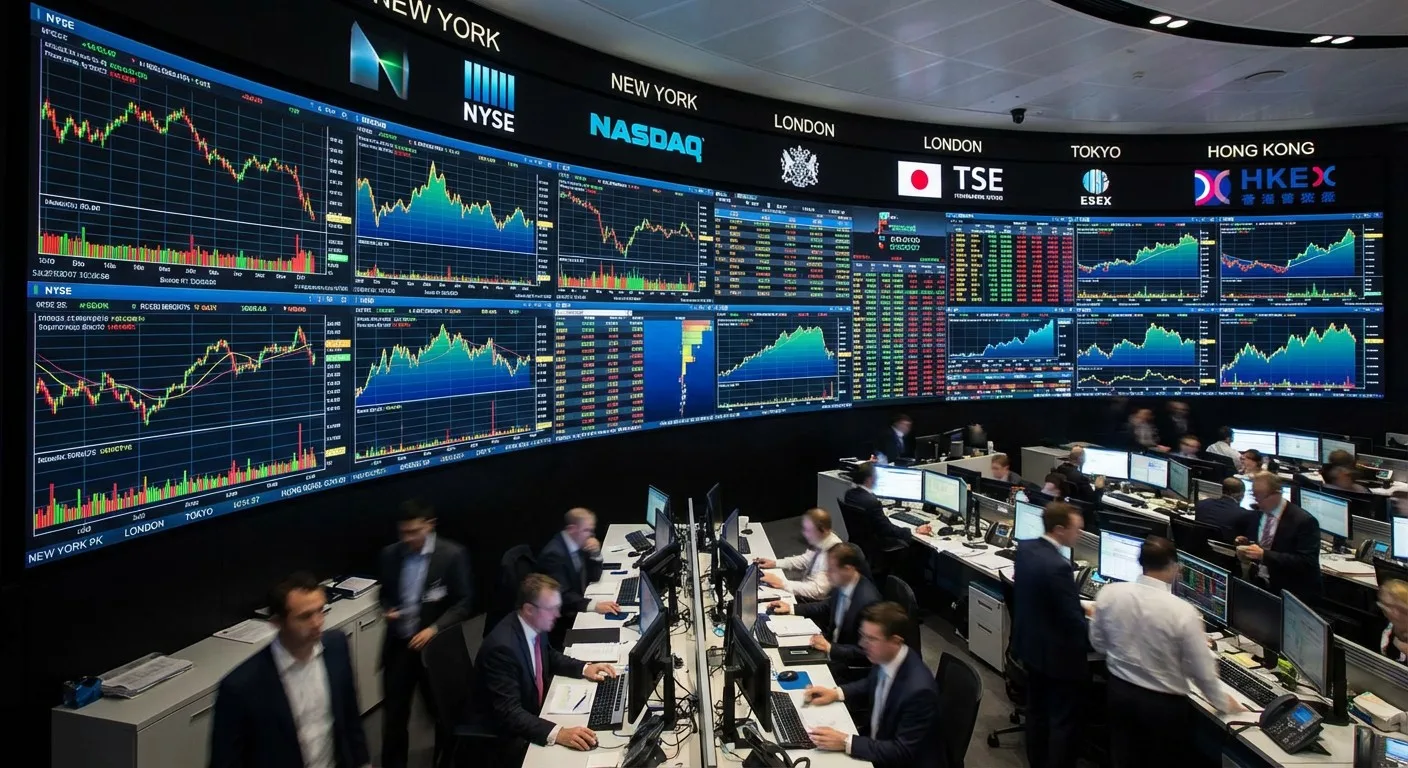
The world feels smaller than ever, and events happening thousands of kilometres away now have an immediate and noticeable impact on our financial stability. Ongoing tensions, particularly in key regions like the Middle East, act as a major source of anxiety for the global economy. When uncertainty rises, investors tend to become more cautious. We are seeing this play out in real-time across Asian financial markets, including our own Bursa Malaysia. These markets are experiencing pronounced volatility as investors react to every development, trying to predict the next move. This nervousness isn’t just speculation; it reflects a genuine concern about the stability of global trade routes and supply chains, which are the lifeblood of our interconnected economy.
Oil Prices and the Strait of Hormuz Effect
For an economy like Malaysia’s, the price of oil is a critical indicator. Recently, oil prices have been on a rollercoaster, driven by fears of potential disruptions in the Strait of Hormuz—a narrow waterway through which a significant portion of the world’s oil supply travels. Any threat to this passage, real or perceived, can cause crude oil prices to spike. This has a direct knock-on effect for Malaysian businesses, from increased transportation costs for logistics companies to higher raw material prices for manufacturers. For the average consumer, it can mean higher prices at the petrol pump, affecting household budgets and overall spending power. The uncertainty makes it difficult for businesses to forecast costs and set prices, adding another layer of complexity to their operations.
Foreign Investor Sentiment: Navigating Cautious Capital
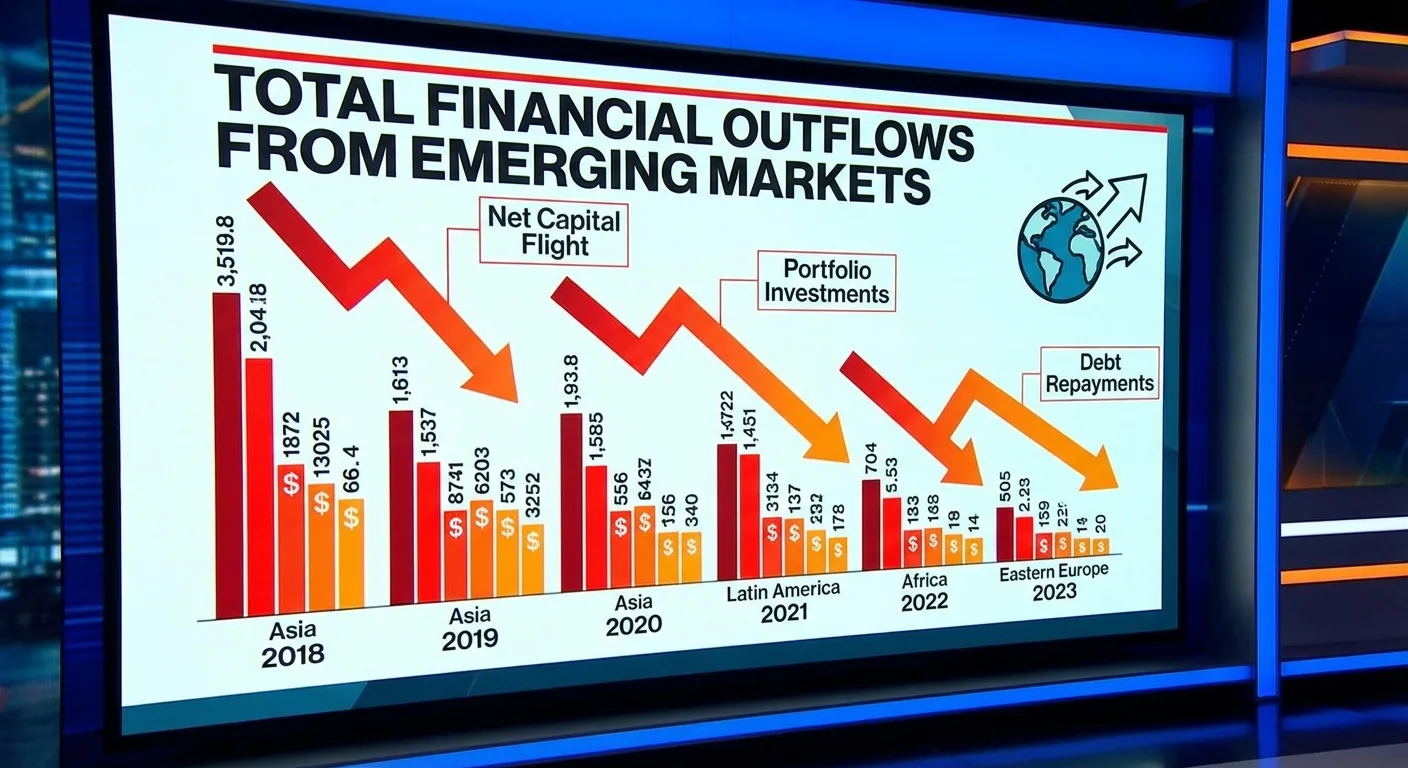
When global risk levels are high, international investors often pull their money out of markets they see as more volatile and move it to “safer havens” like gold or US government bonds. This trend is already visible, with significant capital outflows observed across eight major Asian markets. Malaysia has not been immune to this shift. The withdrawal of foreign funds puts pressure on our local stock market and can weaken the Ringgit. For Malaysian companies looking to attract foreign investment, this creates a more challenging environment. It signals that we must work harder to demonstrate stability and resilience to keep capital flowing into our economy, which is crucial for funding growth and expansion projects.
Risk Management and Adaptability: Keys to Success
In such unpredictable times, waiting to see what happens is not a viable strategy. Proactive and heightened risk management is now more important than ever. Businesses need to stress-test their operations against various scenarios, such as sudden increases in shipping costs or currency fluctuations. Having a clear understanding of your supply chain vulnerabilities and financial exposures is the first step. This is where adaptability comes in. For example, businesses might need to explore diversifying their suppliers or hedging against currency risks. The goal is to build a more resilient business model that can withstand external shocks, an essential move for **mitigating potential economic disruptions** in the long term.
Staying Informed and Flexible
At its core, navigating this complex environment requires two things: staying informed and remaining flexible. Business leaders and investors must keep a close watch on global developments and understand how they connect to our local market. However, information alone is not enough. The key to thriving is using that knowledge to build and maintain flexible financial strategies. This could mean adjusting investment portfolios to be more defensive, keeping more cash on hand for unexpected opportunities, or rethinking budget allocations to account for higher costs. A rigid plan can easily break under pressure, but a flexible one can bend and adapt to changing conditions.
To conclude, the threads of the global economy are more tangled than ever. The geopolitical tensions unfolding far from Malaysia are having a direct and tangible impact on our businesses, our investments, and our daily lives through volatile markets and fluctuating oil prices. The flight of foreign capital underscores the cautious mood that has taken hold. In this new normal, the ability to anticipate and react is everything. By focusing on robust risk management and adopting flexible financial strategies, we can better protect ourselves from downturns. For Malaysian businesses and investors, staying vigilant and adaptable is the most effective approach for mitigating potential economic disruptions and successfully navigating the path ahead, no matter how uncertain it may seem.