
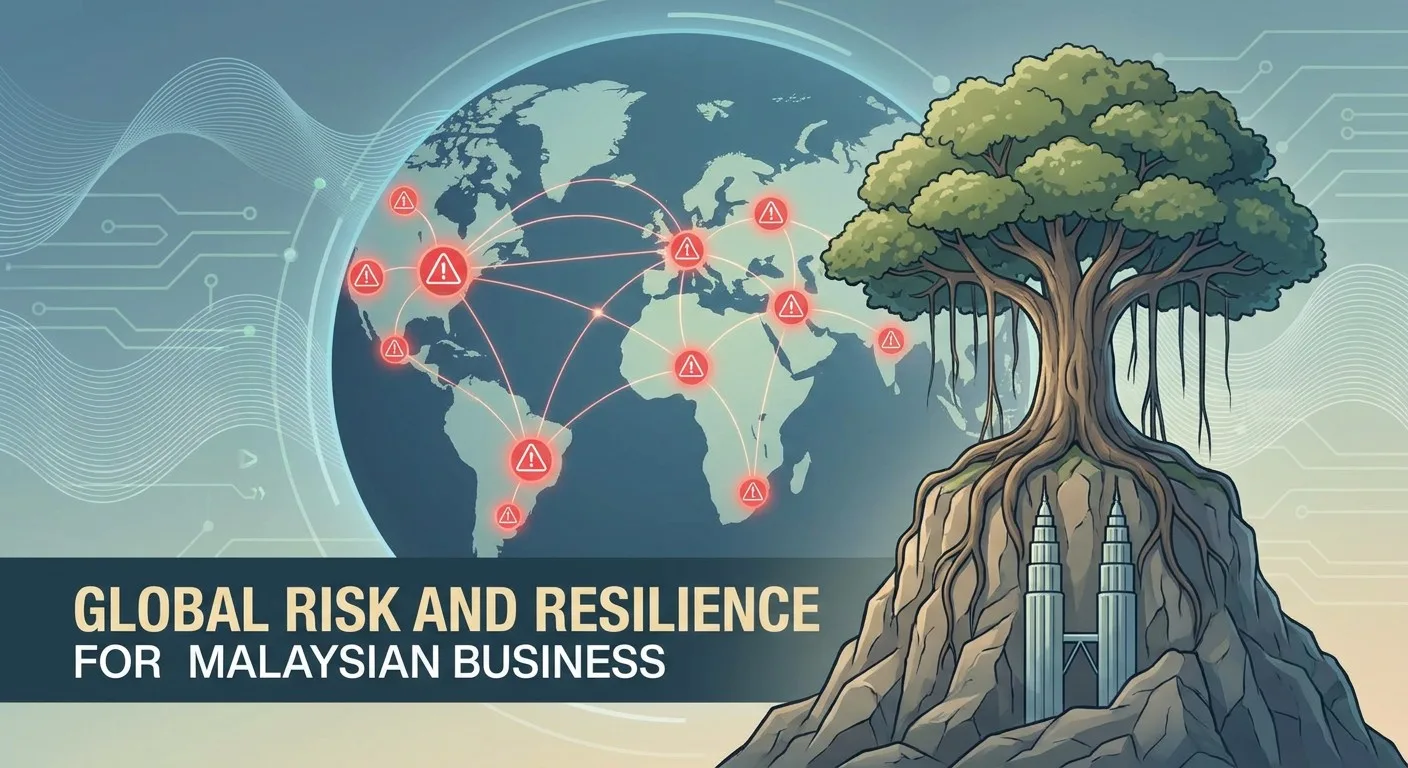
Global Risk and Resilience for Malaysian Business
Navigating Geopolitical Tensions: Implications for Malaysian Businesses
Picture the global economy as a vast ocean. For decades, the currents were relatively predictable, allowing businesses to chart their course with confidence. Today, that ocean is churning with unexpected storms. From missile tests echoing across the South China Sea to the prolonged conflict in Eastern Europe, geopolitical tensions are creating turbulent waters for international trade. As a nation anchored in the heart of global commerce, Malaysia is not immune to these waves. Understanding these shifts is no longer just for diplomats; it has become a crucial task for every business leader. This article will explore the key geopolitical flashpoints affecting our region, their direct impact on local enterprises, and the practical strategies we can adopt to navigate these challenging times.
Today’s Global Hotspots and Why They Matter
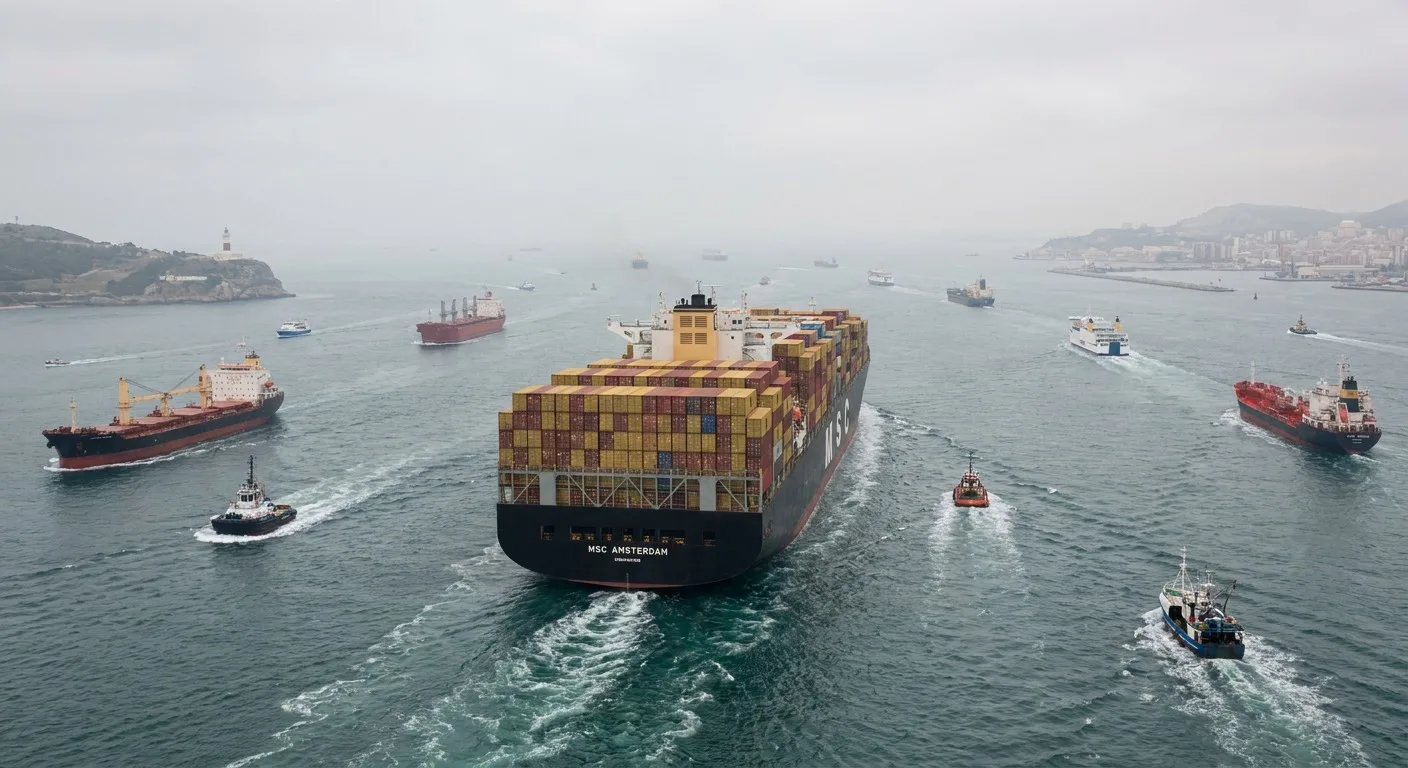
It can be tempting to view overseas conflicts as distant problems, but their effects ripple across the globe and land squarely on our shores. The ongoing Russia-Ukraine conflict, for example, is more than just a headline. It has significantly disrupted the global supply of essential goods like grain, fertiliser, and energy. Malaysian manufacturers feel this through higher production costs, while consumers see it in the rising prices of everyday items. Closer to home, China’s military activities and assertive stance in the South China Sea create a layer of uncertainty. This directly impacts one of the world’s most critical maritime choke points, the Strait of Malacca, a channel through which a huge portion of our trade flows. Any disruption here, whether intentional or accidental, could paralyse supply chains almost overnight.
The Real-World Impact on Malaysian Operations
These global tensions translate into tangible challenges for Malaysian businesses. The most immediate effect is the disruption to global supply chains. A furniture maker in Johor might face extended delays for imported wood, or a tech company in Penang could struggle to source specific electronic components. This unreliability forces companies to hold more stock, tying up cash and increasing storage costs. Furthermore, the volatility in commodity prices creates an unpredictable financial environment. When oil prices spike, logistics and transport costs for every business go up. While high palm oil prices might benefit plantations, they squeeze the margins of local food producers. This environment of uncertainty makes long-term planning difficult and can deter investment, creating a more cautious and competitive market for everyone.
Strategies to Build a More Resilient Business
While we cannot control global politics, we can control how we prepare for them. The key is to build resilience into the very fabric of our operations. The first, most critical step is diversification. For too long, many have relied on single-country sourcing. It is now essential to explore alternative suppliers from different regions, such as Vietnam, Thailand, or India, to avoid being crippled by a single point of failure. Similarly, diversifying your customer base beyond traditional markets can open new revenue streams and buffer against economic downturns in any one country. Alongside this, proactive monitoring is vital. We must stay informed about global developments, not just through news headlines, but by using data to track shipping costs, commodity futures, and political risk. This allows businesses to anticipate changes and adapt their strategies before a crisis hits, helping them to maintain resilience in a volatile world.

Turning Challenges into Opportunities
In every period of disruption, there are hidden opportunities for those agile enough to see them. As global corporations rethink their supply chains and adopt “China+1” strategies to reduce their risks, Malaysia stands out as an attractive and stable alternative. Our strategic location, skilled workforce, and relatively neutral political stance make us an ideal hub for manufacturing, logistics, and services. Local companies that can meet international standards and demonstrate reliability are well-positioned to capture this new wave of foreign investment and partnership. This is a moment to innovate, to upgrade our capabilities, and to market ourselves as a secure and efficient link in the global supply chain. For enterprises willing to adapt, this is a time to identify new opportunities for growth that may not have existed just a few years ago.
In conclusion, the era of stable, predictable global trade has given way to a more complex and uncertain landscape. The geopolitical tensions unfolding across the world are not distant events but have direct and significant consequences for Malaysian businesses, impacting everything from supply chains to operating costs. However, burying our heads in the sand is not an option. By embracing proactive strategies such as diversifying suppliers and markets, we can build stronger, more adaptable enterprises. It is imperative that we not only focus on defence but also play offence, positioning our nation and our companies to capture the unique advantages that arise from these global shifts. The challenge is to maintain resilience while having the foresight to identify new opportunities for growth, ensuring we don’t just survive the storm, but learn to sail faster in it.