

The heat that once defined a perfect European summer holiday is now rewriting the rules of business. Across the continent, headlines speak of record-breaking temperatures, but behind the dramatic numbers lies a quieter, more persistent story: one of businesses scrambling to adapt to a reality their infrastructure was never designed for. This isn’t a distant problem confined to another part of the world. It’s a preview of the challenges knocking on our own door here in Malaysia. As we witness these events unfold, it forces us to ask a critical question: Are our businesses prepared for the inevitable impacts of a changing climate? This article will explore the lessons we can learn from Europe and outline the essential steps Malaysian companies must take to build resilience and secure their future.
A Glimpse into a Warmer Future
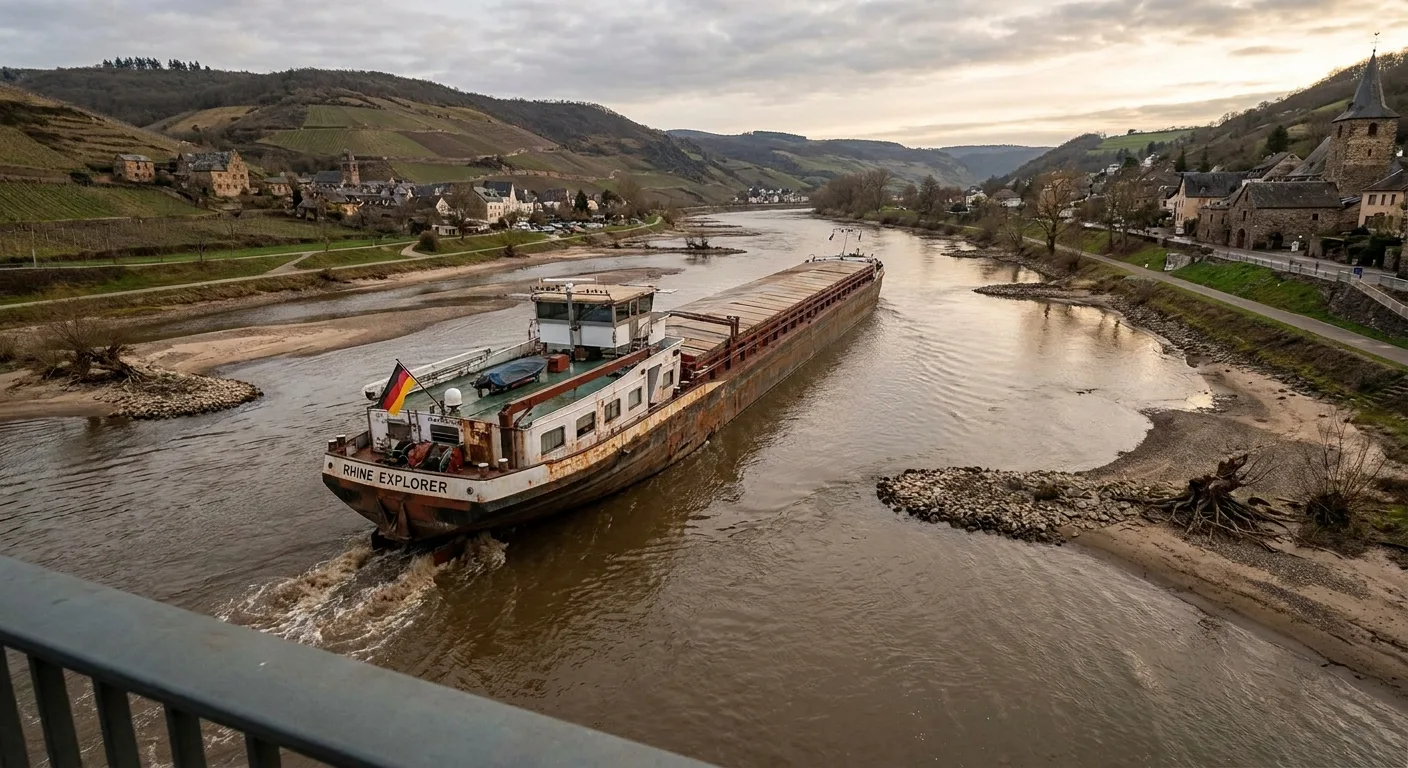
For years, discussions about climate change often felt abstract, a problem for future generations. That future is now the present in Europe. We are seeing major rivers like the Rhine run so low that they disrupt critical shipping routes, halting the flow of goods and raw materials. Power grids are strained to their limits as demand for air conditioning soars, while extreme heat damages roads and railway lines, causing widespread travel chaos. Businesses are facing a cascade of issues, from protecting their employees’ health during intense heatwaves to dealing with supply chain breakdowns. This is the “quiet catastrophe” in action—not a single, dramatic event, but a slow and steady erosion of operational stability and profitability. It serves as a powerful, real-time case study of what happens when business-as-usual collides with a new climatic reality.
The Malaysian Context: From Distant Threat to Local Reality
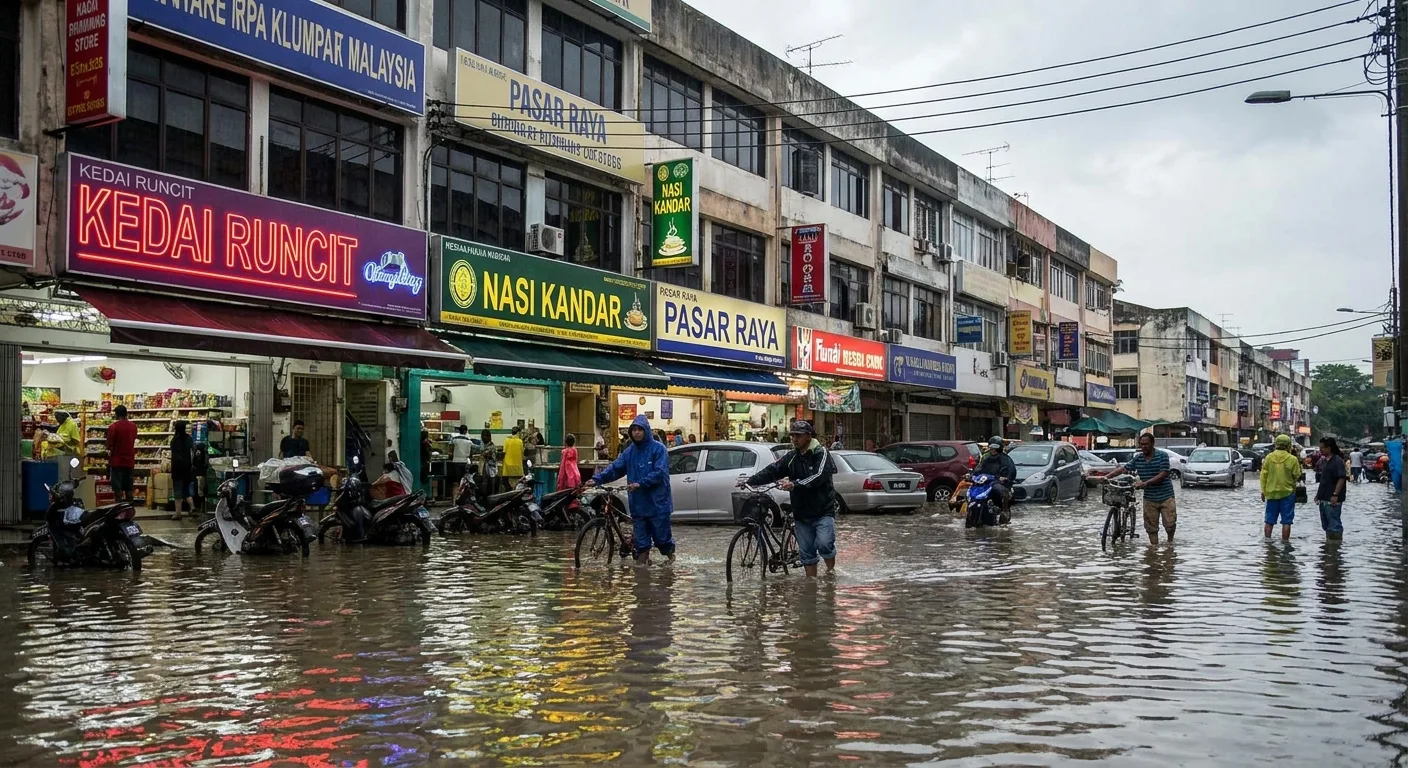
It is tempting to view Europe’s struggles as unique to their region, but the patterns are becoming unmistakably familiar here in Malaysia. We are no strangers to the force of nature, but the frequency and intensity of extreme weather events are increasing. The devastating floods that submerged parts of Selangor and Pahang in recent years were a stark reminder of our vulnerability. These events are not just one-off disasters; they are symptoms of a broader shift. Rising sea levels pose a direct threat to our crucial coastal cities and economic hubs like Penang, Klang, and Melaka. For businesses, this translates into tangible risks: damaged inventory and property, disrupted logistics, higher insurance premiums, and in the worst cases, complete operational shutdowns. The threat of climate change is no longer on the horizon; it is here, impacting bottom lines and demanding our immediate attention.
Building a Foundation of Resilience
Responding to these challenges requires a fundamental shift in mindset—from reactive recovery to proactive preparation. The goal is to become a climate-resilient organisation. This isn’t about simply installing a few flood barriers; it’s a holistic strategy that embeds preparedness into the very fabric of a business. It starts with a thorough risk assessment. Where are your vulnerabilities? Is it your physical location, your supply chain, your workforce, or your energy sources? Once identified, practical steps can be taken. This might involve elevating critical equipment in flood-prone areas, diversifying your supplier base to avoid over-reliance on a single region, or investing in water and energy-saving technologies to reduce operational strain during droughts and heatwaves. A robust business continuity plan, specifically designed for climate-related disruptions, is no longer a luxury but a necessity for survival.
Resilience as a Pillar of Sustainability
Embracing resilience goes hand-in-hand with a broader commitment to sustainability. A company that actively prepares for climate impacts is one that thinks long-term. By investing in resilient infrastructure and efficient operations, businesses not only protect themselves but also reduce their environmental footprint. This forward-thinking approach is increasingly recognised and rewarded. Investors are more and more looking to support companies that can demonstrate strong environmental, social, and governance (ESG) credentials. Customers, particularly younger generations, are choosing to align with brands that show genuine corporate responsibility. Being climate-resilient is therefore not just a defensive measure; it is a strategic move that strengthens brand reputation, enhances stakeholder confidence, and builds a more sustainable, and ultimately more profitable, business for the future.
In conclusion, the challenges faced by European businesses offer us a crucial window into our own future. The writing is on the wall: ignoring the escalating impacts of our changing climate is a risk no Malaysian company can afford to take. The time for passive observation is over. We must now move with purpose towards building resilience into our operations, infrastructure, and strategies. This is not an expenditure but an essential investment in longevity and stability. By taking proactive steps today, we can safeguard our businesses against the disruptions of tomorrow, ensuring that our enterprises not only survive but thrive. A commitment to resilience is a commitment to long-term sustainability, securing a prosperous future for our businesses and our nation.