
Navigate Global Trade Shifts, A Malaysian Guide
Have you ever felt the ground shift beneath your feet? A subtle tremor that changes the landscape forever. Right now, the world of global trade is experiencing a similar jolt. The long-established routes and relationships that businesses have relied on for decades are being redrawn by conflict, sanctions, and shifting alliances. For a nation like Malaysia, whose economic heartbeat is synchronised with the rhythm of international commerce, these tremors are not distant news headlines. They are immediate and direct challenges that impact everything from shipping costs to material availability. In this article, we will explore the nature of this new global environment and outline practical strategies that Malaysian businesses can adopt to not only weather the storm but also find new avenues for growth.
Malaysia’s Stake in a Changing World
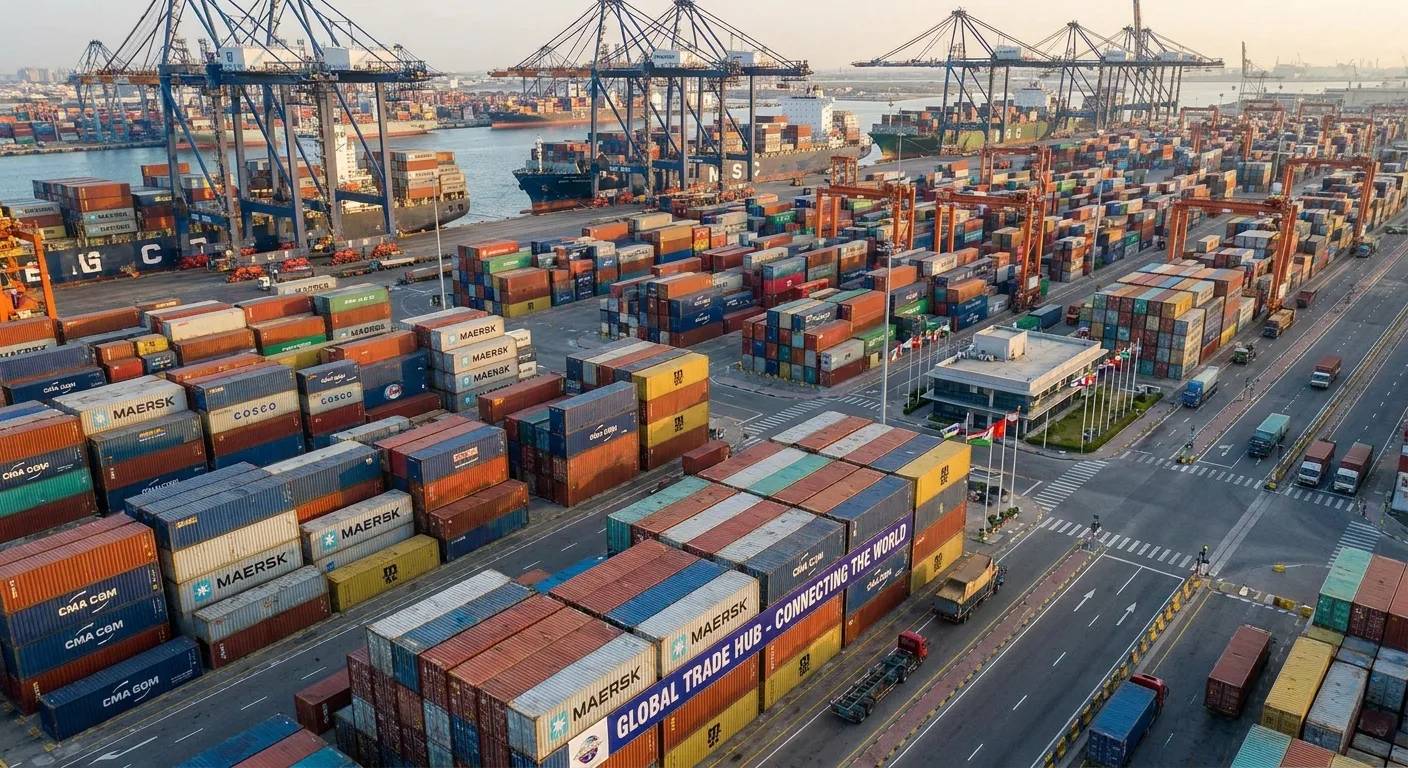
It is no secret that Malaysia thrives on trade. Our economy is deeply intertwined with the global marketplace, making us particularly sensitive to international disruptions. When tensions flare between major powers, the ripple effects reach our shores quickly. We see it in fluctuating energy prices that affect manufacturing costs and in delayed shipments that disrupt production schedules. The recent conflicts involving Russia and the instability in the Middle East are prime examples. These events have sent shockwaves through energy markets and complicated major shipping routes, such as the Suez Canal. For Malaysian companies, this is not a theoretical problem; it translates to higher operational costs and greater uncertainty, making it essential to pay close attention and adapt.
Understanding the New Global Map
The current global environment is undergoing a significant geopolitical realignment. The post-Cold War era of relatively open and predictable trade is giving way to a more fragmented world organised around competing economic and political blocs. Economic sanctions, once a targeted tool, are now used more broadly, creating complex webs of restrictions that businesses must navigate. For instance, sanctions on major energy producers can create supply volatility, while trade disputes can lead to sudden tariffs that erase profit margins overnight. Understanding this new map—knowing where the new “borders” are and how they affect the flow of goods and capital—is the first step for any business looking to secure its future.

Building Strength Through Diverse Friendships
In a world of shifting allegiances, relying too heavily on one or two markets is a risky strategy. The key to resilience lies in the active diversification of trade partnerships. This means looking beyond our traditional partners and actively exploring opportunities in new and growing markets across ASEAN, Africa, and Latin America. At the same time, we must strengthen existing relationships, building deeper connections that can withstand political turbulence. By cultivating a wider network of suppliers and customers, Malaysian companies can create a buffer against localised disruptions. If one trade route becomes blocked or one market becomes inaccessible, having alternative options already in place ensures that business can continue with minimal interruption.
Creating a Flexible and Responsive Core
While looking outward is important, building resilience also requires strengthening our internal operations. This is where agile supply chain practices become absolutely essential. The old model of “just-in-time” delivery, designed for maximum efficiency in a stable world, is proving fragile. Today, businesses need to embrace a “just-in-case” mentality. This involves strategies like multi-sourcing key components to avoid dependency on a single supplier, holding strategic buffer stocks of critical materials, and using technology to gain real-time visibility over the entire supply chain. A flexible supply chain is one that can quickly pivot, reroute shipments, and adapt to sudden changes, turning a potential crisis into a manageable problem.
Thriving in an Age of Uncertainty
The global landscape is undeniably more complex and unpredictable than it was a decade ago. The ongoing geopolitical realignment presents real challenges to Malaysian businesses, from volatile costs to logistical nightmares. However, these challenges also bring opportunities for those who are prepared to adapt. By proactively seeking out new trade partnerships and embedding flexible and resilient supply chain practices into their core operations, companies can protect themselves from a great deal of uncertainty. It is no longer enough to simply react to crises as they happen. The businesses that will thrive in the coming years will be those that monitor global developments, anticipate potential disruptions, and take proactive measures to build a stronger, more adaptable, and truly global enterprise.