
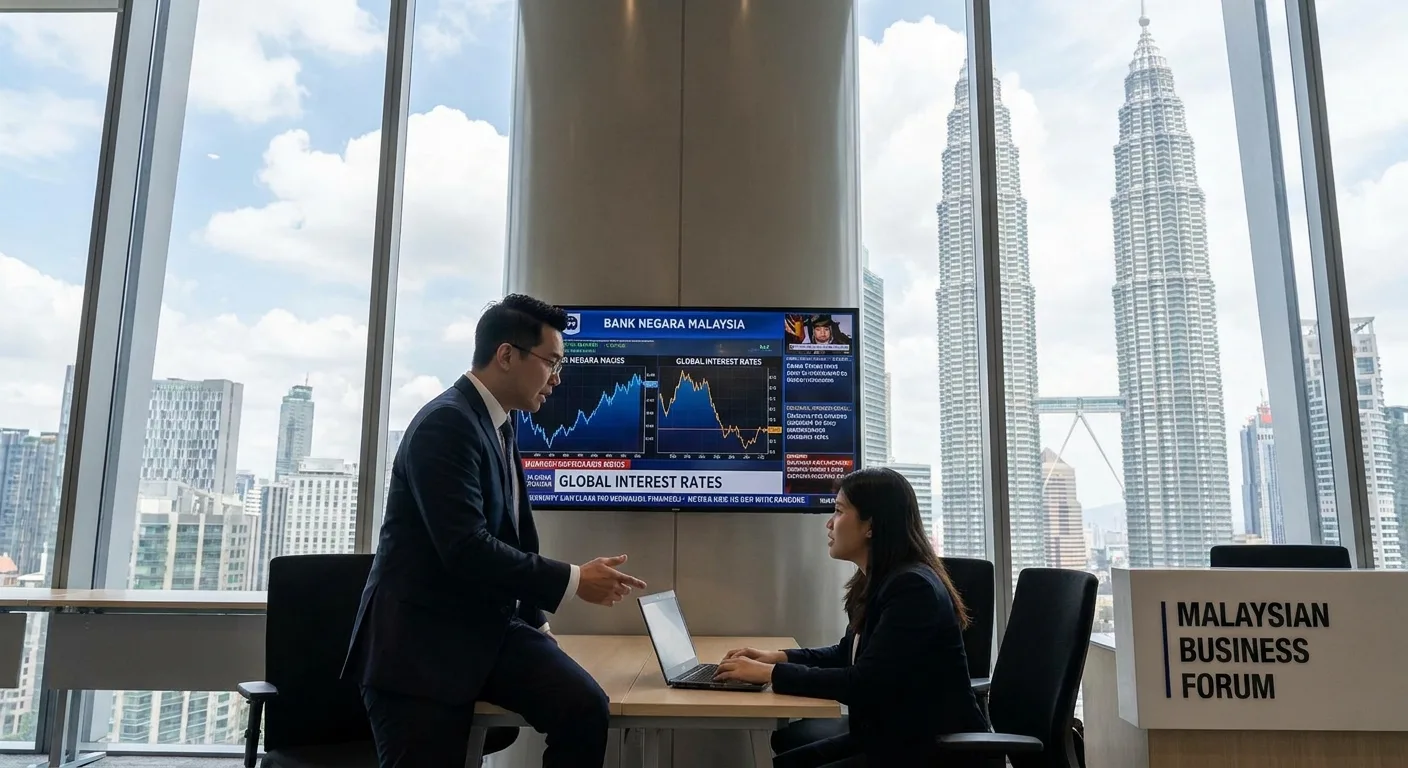
Central Bank Shifts and Your Malaysian Business
Central Bank Policy Shifts: Navigating the New Global Economic Landscape
The economic ground beneath our feet is shifting. From Tokyo to Jakarta, the familiar rhythm of global finance is changing its beat, and the echoes are being felt right here in Malaysia. As major economies adjust their sails to navigate choppy waters, it is more important than ever for local businesses to understand these currents. The decisions made in the boardrooms of foreign central banks are no longer distant news; they are direct factors that can influence our cash flow, supply chains, and overall growth. This article will explore the recent policy changes happening globally, analyse their potential ripple effects on the Malaysian economy, and provide practical business strategies to help you not only weather the storm but also find new opportunities within it.

The Global Domino Effect of Policy Changes
Around the world, central banks are making decisive moves. In Japan, we have witnessed a historic shift as the Bank of Japan ended its long-standing negative interest rate policy. This was a significant step, designed to normalise its economy after years of fighting deflation. Meanwhile, our neighbour Indonesia is maintaining a firm stance, using its monetary policy to manage inflation and support the Rupiah amidst global pressures. These are not isolated events. They are calculated responses to a complex mix of persistent inflation, slowing global growth, and ongoing geopolitical uncertainty. Each decision creates a domino effect, altering currency values, investment flows, and trade relationships across the globe.
How These Ripples Reach Malaysian Shores
For Malaysia, a nation deeply integrated with the global economy, these shifts are not just theoretical. A stronger Japanese Yen, for example, can make our imports from Japan, such as specialised machinery and car parts, more expensive. This directly impacts production costs for our manufacturing and automotive sectors. Conversely, it could make Malaysian exports more attractive to the Japanese market. The policy direction in Indonesia, one of our closest ASEAN trading partners, also has a direct bearing on trade balance and regional investment sentiment. These fluctuations in the global economic landscape require constant vigilance from business owners, as they can rapidly affect pricing, profit margins, and market demand.

Potential Impact on Key Malaysian Sectors
Drilling down, certain sectors are more exposed to these external pressures than others. The manufacturing industry, often reliant on imported raw materials and components, may face increased operational costs. Businesses in this space will need to review their sourcing and pricing models carefully. The tourism and hospitality sector, while benefiting from a relatively weaker Ringgit that makes Malaysia an affordable destination, must also contend with the economic health of its source markets. If consumers in countries like Japan or Europe feel the pinch from their own economic adjustments, their travel budgets might shrink. Even the construction sector could feel the effects through the cost of imported building materials and foreign investment in local projects.
Smart Moves for Malaysian Businesses
So, how can businesses adapt? This is not a time for panic, but for proactive planning. The first step is to stay thoroughly informed about these central bank policy shifts and their implications. Beyond that, businesses should consider several key actions. Reviewing financial management is crucial; this could involve hedging against currency volatility to lock in costs for future imports or revenues from exports. It is also an opportune moment to assess and diversify your supply chain, reducing dependency on any single country. Strengthening relationships with local suppliers can build resilience. Ultimately, navigating this new global economic landscape effectively requires agility and a willingness to adjust your plans as the situation evolves.
Building Resilience for a Competitive Edge
In the long run, the companies that thrive will be those that build resilience into their core operations. This goes beyond short-term fixes. It means fostering a culture of continuous improvement, investing in technology to enhance efficiency, and actively exploring new markets to diversify revenue streams. The current economic climate, while challenging, also presents an opportunity to streamline processes, innovate product offerings, and strengthen your market position. By taking thoughtful and strategic action now, Malaysian businesses can enhance their competitiveness and ensure they are well-prepared for whatever the future holds. True resilience is about being ready not just to survive, but to seize the opportunities that change always brings.
In conclusion, the world is in a state of economic transition. The significant central bank policy shifts we are seeing from major economies like Japan and our neighbours are reshaping the financial environment. For businesses in Malaysia, ignoring these developments is not an option. The impacts are real, affecting everything from import costs and export demand to investment flows. However, with challenge comes opportunity. By staying informed, adopting smart financial and operational strategies, and building a foundation of resilience, Malaysian companies can successfully navigate these complexities. The key is to be proactive, not reactive. Embracing this mindset will be essential for maintaining competitiveness and securing sustainable growth in an ever-changing world.