
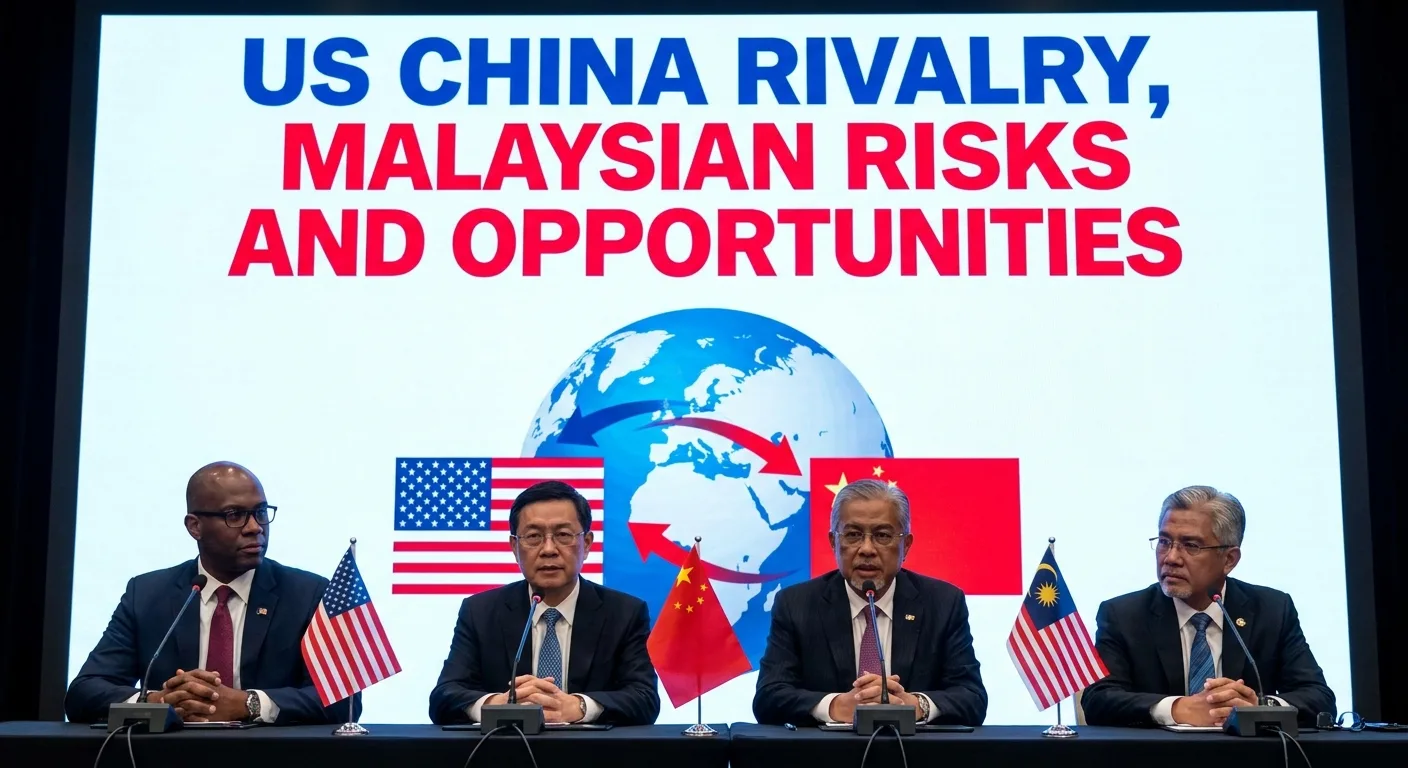
US China Rivalry, Malaysian Risks and Opportunities
Picture two giants wrestling in your living room. You can’t ignore them, and every move they make risks knocking over your furniture. For Malaysian businesses today, this is not just an analogy; it is our economic reality. The giants are the United States and China, and their intensifying rivalry in technology and trade is reshaping the global landscape right on our doorstep. This is no longer a distant news headline but a powerful force with direct consequences for our supply chains, market access, and overall stability. In this article, we will explore the real-world implications of this new economic battlefield and discuss the concrete strategies that can help Malaysian companies navigate these challenges and uncover hidden opportunities.
The Tech and Trade War Flashpoints
The tension between the US and China is not just rhetoric; it is playing out in critical sectors. We are seeing China make remarkable strides in its push for technological self-sufficiency. Despite extensive US sanctions designed to curb its progress, Chinese companies have managed to develop advanced AI chips. This demonstrates a clear determination to break free from reliance on Western technology, creating a parallel tech ecosystem that the world will have to reckon with. On the other side of the coin, concerns have been raised in the United States about the security of its most advanced military hardware, with reports of Chinese-made components potentially compromising the F-35 fighter jet’s supply chain. This highlights a startling reality: global supply chains are so deeply intertwined that even a nation’s most sensitive defence assets are not immune to geopolitical friction.

Implications for Malaysian Businesses
For businesses in Malaysia, this rivalry presents a classic double-edged sword. On one hand, there is significant risk. Companies that are heavily integrated into supply chains dominated by either Chinese or American firms could face sudden disruptions. A new sanction from Washington or a retaliatory measure from Beijing could halt production overnight. On the other hand, this disruption creates a powerful wave of opportunity. International corporations are actively pursuing a “China Plus One” strategy to diversify their manufacturing bases and reduce their exposure to risk. With our strategic location, skilled workforce, and established infrastructure, particularly in the electronics and electrical (E&E) sector, Malaysia is perfectly poised to become that “plus one” destination, attracting new investment and driving growth.
Adapting Strategies to Capitalize on Opportunities
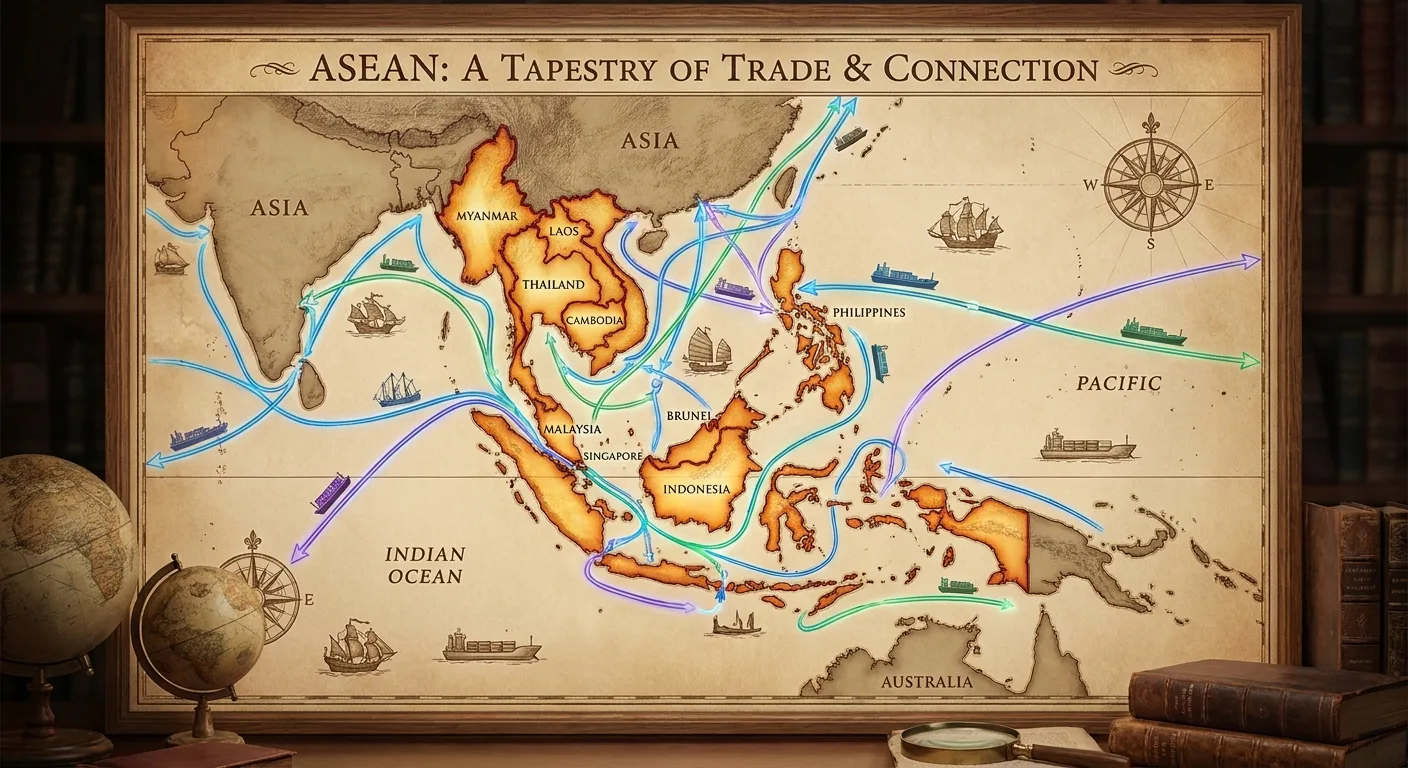
Sitting back and waiting is not an option. To truly benefit from this global shift, a proactive approach is necessary. The most important strategy is diversification. This means more than just finding one new supplier; it means building a flexible network of partners across different countries. Look towards our neighbours in ASEAN. Strengthening trade relationships with countries like Vietnam, Thailand, and Indonesia can create a more stable foundation for your business. Furthermore, we must actively leverage regional trade agreements like the Regional Comprehensive Economic Partnership (RCEP). These agreements reduce trade barriers and provide preferential access to a massive consumer market, offering a valuable buffer against the volatility of US-China relations. Taking these steps is crucial for Positioning Malaysian Businesses for Success.
Mitigating Risks in the Intensifying Rivalry
While we chase opportunities, we cannot afford to ignore the clear and present dangers. As the tech war escalates, so does the threat of industrial and digital espionage. Strengthening your company’s cybersecurity is no longer just good practice; it is a fundamental defence mechanism. You must protect your intellectual property and sensitive customer data from increasingly sophisticated threats. Equally important is achieving full transparency in your supply chain. It is time to conduct thorough audits to understand exactly where every component comes from. This knowledge allows you to identify hidden vulnerabilities—such as a critical part that is single-sourced from a high-risk region—and develop contingency plans before a crisis hits. Staying informed on policy developments in both the US and China is essential to avoid being caught off guard.
Conclusion: A New Era of Strategic Agility
The era of predictable, stable globalisation is behind us. The ongoing rivalry between the United States and China has introduced a new level of complexity and uncertainty that is here to stay. For Malaysian businesses, this new environment demands a shift in mindset from passive participation to active, strategic navigation. It is a challenging time, but it is also filled with potential for those who are prepared to adapt. By diversifying supply chains, embracing regional partnerships through frameworks like ASEAN and RCEP, and strengthening defences against digital and logistical risks, our companies can weather this storm. More than just surviving, these proactive measures are the definitive pathway for Positioning Malaysian Businesses for Success and securing a prosperous future in a reshaped world.