
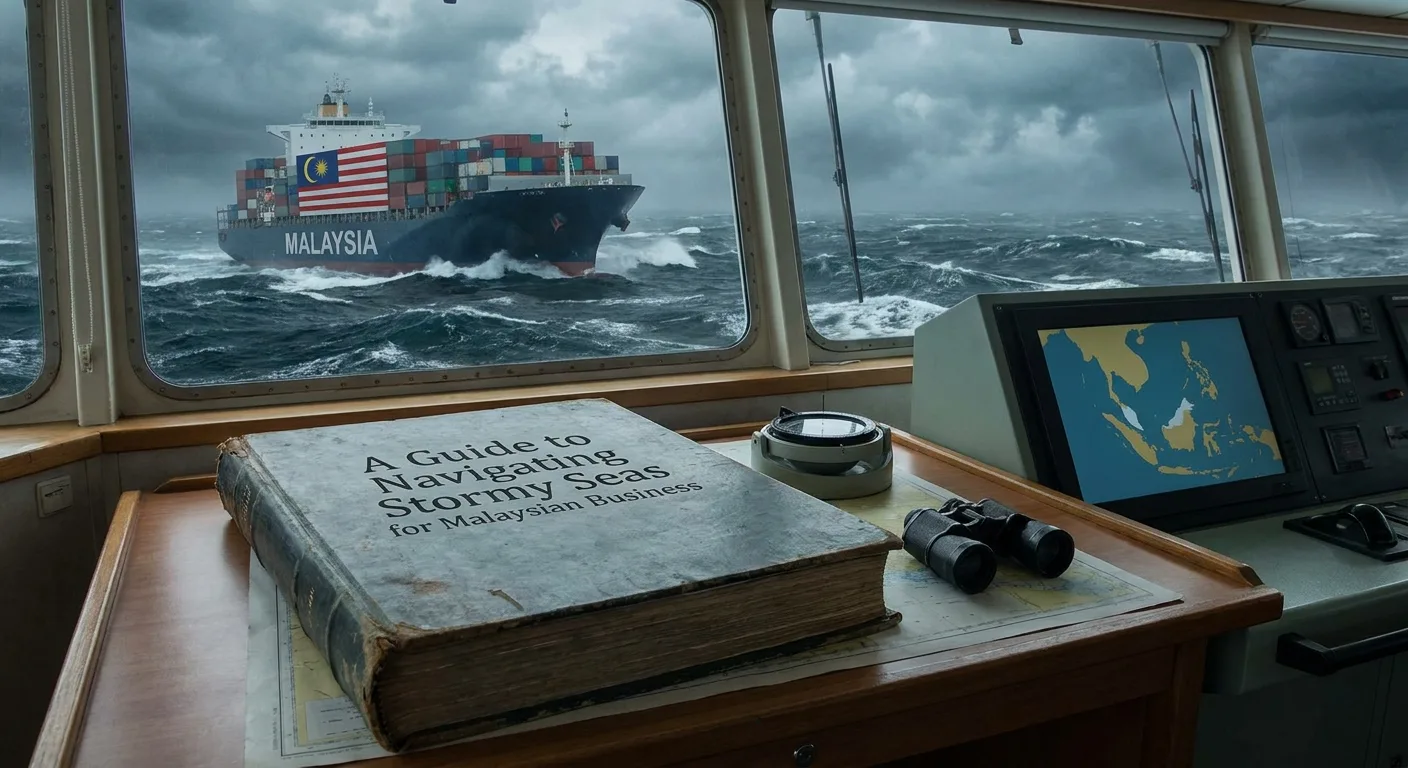
A Guide to Navigating Stormy Seas for Malaysian Business
Navigating the Stormy Seas: A Guide for Malaysian Businesses Amidst Global Tensions
The world of global trade often feels like a vast ocean; most days, the sailing is smooth, but a storm brewing thousands of miles away can create waves that reach even our shores. Right now, one such storm is gathering in the Strait of Hormuz, a narrow channel that is the world’s most important chokepoint for oil. Tensions in this region are rising, and the potential for disruption is a serious concern. For businesses here in Malaysia, from the bustling factories of Shah Alam to the logistics hubs in Port Klang, understanding these distant events is not just a matter of curiosity; it is a matter of survival and strategic planning. This article will explore what is happening and what we can do to prepare.
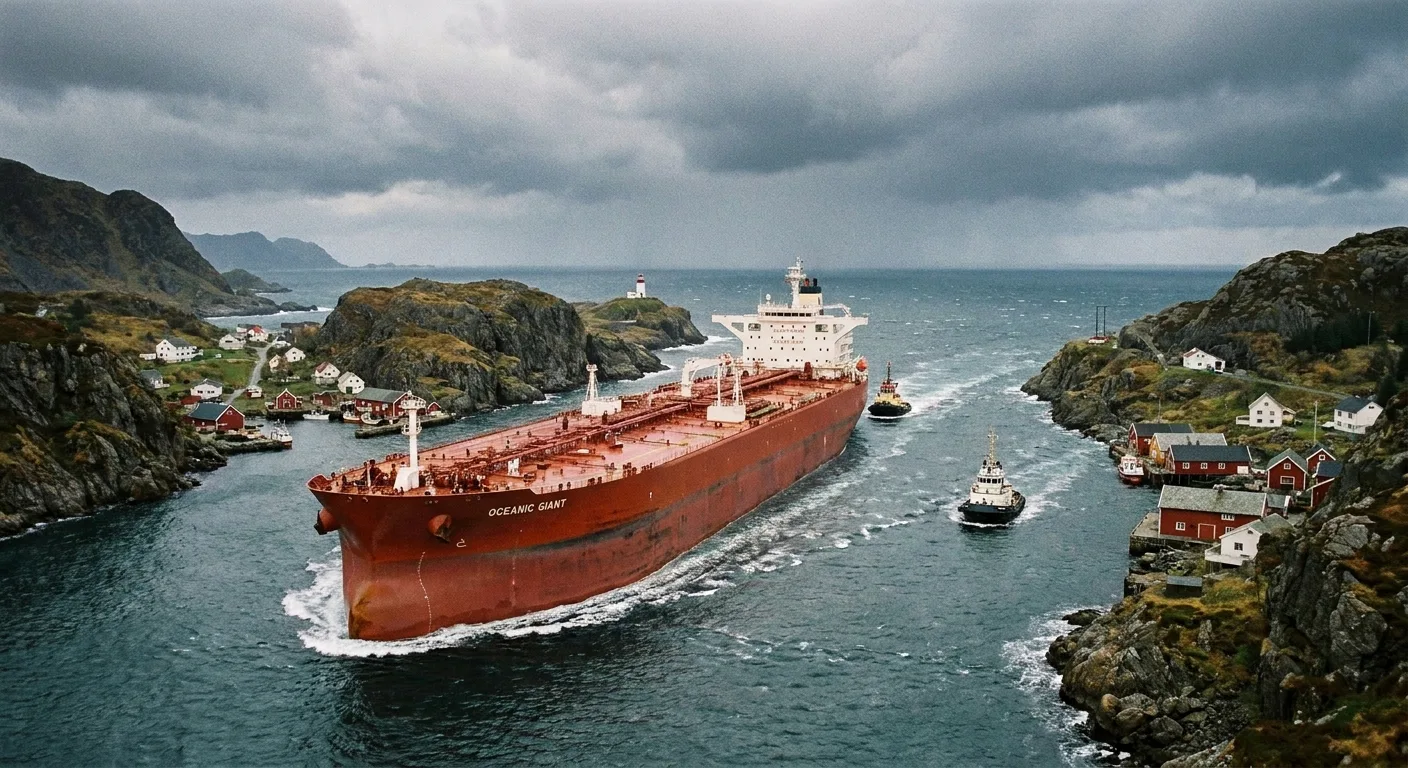
The Bottleneck of Global Energy
Imagine a single doorway through which nearly a fifth of the world’s daily oil supply must pass. That is the Strait of Hormuz. This small stretch of water separating Iran and Oman is the only sea passage from the Persian Gulf to the open ocean. Any disruption here, whether intentional or accidental, would send shockwaves through global energy markets. With recent geopolitical events leading to threats of a blockade, the risk has become more pronounced. A closure, even a temporary one, would immediately restrict a huge volume of oil and liquefied natural gas (LNG) from reaching international markets, creating a classic case of high demand meeting severely limited supply.
The Ripple Effect on Malaysia
While Malaysia is a net exporter of oil and gas, we are not immune to global price shocks. Our economy is deeply integrated with the world’s. A spike in global crude oil prices would inevitably lead to higher fuel prices at the pump for both consumers and businesses. For our manufacturing sector, this means increased operational costs, as energy is a major component of production. The transportation and logistics industry, the lifeblood of our supply chains, would face immense pressure from rising diesel and jet fuel costs. These increased expenses do not simply disappear; they are passed down the chain, leading to higher prices for goods and services across the board and impacting our export competitiveness.
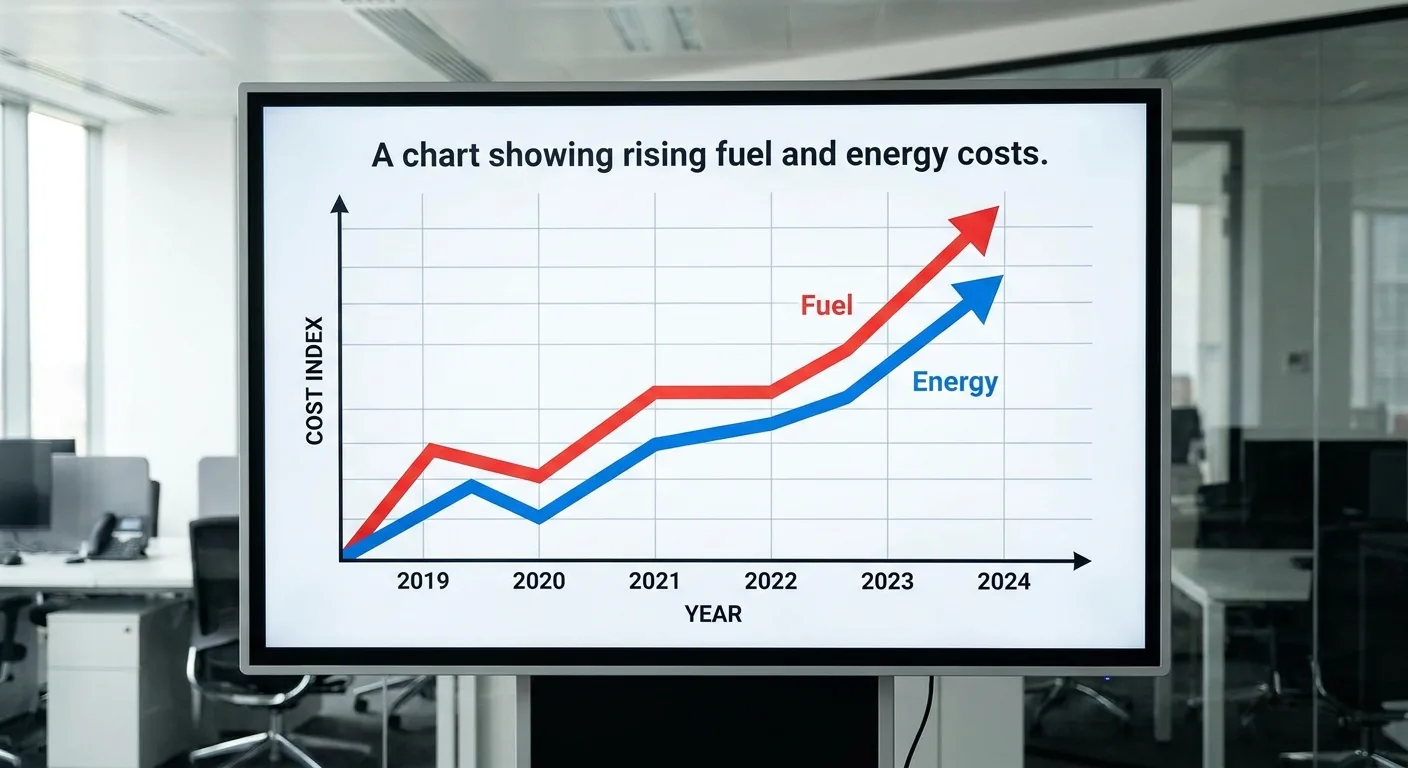
Assessing Your Business’s Vulnerability
It is easy to see these global issues as too big to handle, but the first step towards resilience is to look inwards. As a business owner, you should ask some direct questions. How dependent are your operations on stable fuel and electricity prices? A 20% increase in fuel costs—what would that do to your bottom line? Where do your key raw materials come from? Do they travel through or near high-risk shipping lanes? Understanding your specific vulnerabilities is the foundation of any effective strategy. By quantifying your exposure to energy price fluctuations and supply chain delays, you can move from a position of anxiety to one of informed action.
Charting a Proactive Course
Waiting for the storm to hit is not a strategy. Proactive planning is essential for turning potential crises into manageable challenges. Here are some practical steps we encourage businesses to consider:
- Stay Informed: Knowledge is your best defence. Regularly follow reputable international business news and government advisories to stay ahead of developments in the region.
- Review Your Supply Chain: Begin conversations with your suppliers. Ask about their contingency plans. Is it possible to source materials from different regions? Can you explore alternative shipping routes that avoid potential chokepoints?
- Manage Energy Consumption: Now is the perfect time to conduct an energy audit. Simple measures to improve energy efficiency can lead to significant cost savings, providing a buffer against rising prices. For the longer term, consider investing in renewable energy sources like solar panels to reduce reliance on the national grid. A clear plan for navigating these uncertain times is crucial.
Building a Resilient Business
The challenges posed by geopolitical instability are not one-off events; they are part of the new normal in global commerce. Businesses that accept this reality and build resilience into their very structure will be the ones that thrive. This means creating a more agile and adaptable operation. Embracing technology for better supply chain visibility, diversifying your customer base, and maintaining a healthy cash flow to absorb unexpected shocks are all part of this. Preparing for these stormy seas is not about pessimism; it is about smart business management. This proactive approach is a critical step for Malaysian Businesses aiming for long-term success and stability in a volatile world.
In conclusion, the rumblings in the Strait of Hormuz serve as a powerful reminder of our interconnected world. The potential for disruption to energy supplies and global trade is a serious threat that cannot be ignored. However, for Malaysian Businesses, this is not a reason for despair, but a call to action. By understanding the risks, assessing our vulnerabilities, and taking proactive steps to build resilience, we can prepare for what lies ahead. The ability to weather the stormy seas of global trade is what separates good companies from great ones. By navigating these challenges with foresight and adaptability, we can ensure that our businesses not only survive but emerge stronger, more efficient, and ready for the future.