

AI, Robotics and Business Innovation in Malaysia
The gentle whir of a machine performing a complex task with perfect precision, a customer service query answered instantly by an intelligent system at 3 AM. This is no longer the stuff of science fiction films. Right here in Malaysia, a technological shift is quietly underway, reshaping how we do business. The integration of Artificial Intelligence and robotics is moving from boardroom discussions to real-world applications on factory floors and in customer-facing roles. This article explores this transformation, delving into the practical opportunities for Malaysian companies, the impact on our workforce, and why embracing these advancements is essential for staying competitive in a rapidly evolving market. This is a pivotal moment for Business Innovation in our nation.
The New Wave of Malaysian Enterprise
For years, talk of AI and automation felt distant, a trend happening elsewhere. That perception is now changing rapidly. Malaysian businesses are actively exploring and, more importantly, implementing advanced technological solutions. This isn’t just about following global Technology Trends; it’s a strategic move to build more resilient, efficient, and intelligent operations. From the manufacturing hubs in Penang to the financial centres in Kuala Lumpur, companies are discovering that these technologies offer tangible benefits. The conversation has shifted from “if” to “how,” as leaders seek practical ways to integrate smart systems that can analyse data, automate repetitive tasks, and provide insights that were previously out of reach.
Pioneering Partnerships are Paving the Way
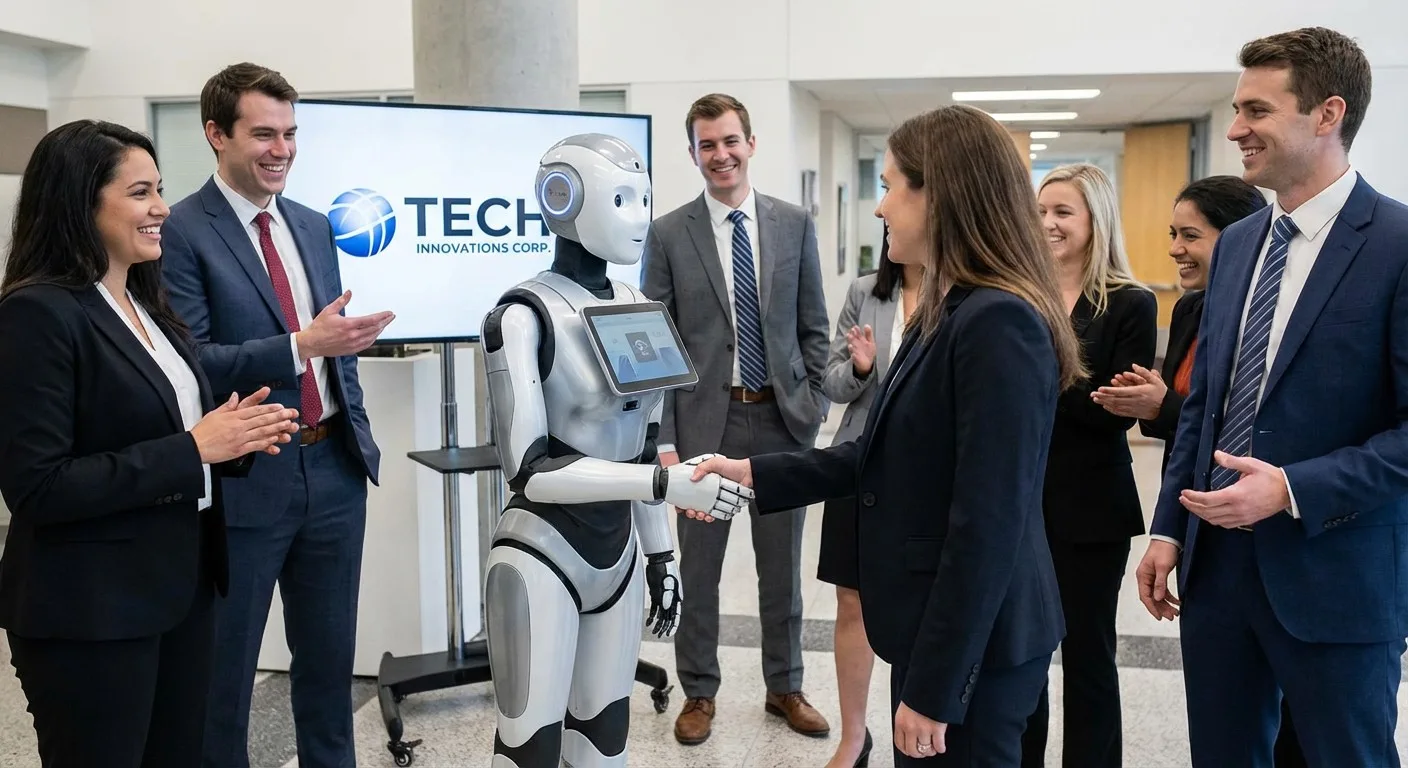
Clear evidence of this shift can be seen in recent strategic partnerships. A notable example is VSTECS Bhd’s move to become the official distributor of UBTECH’s advanced humanoid robots in Malaysia. This isn’t about novelty; it’s a commercial decision that brings sophisticated Robotics Technology directly to the local market. These humanoid robots, like the Walker X model, are designed for roles in customer service, business displays, and intelligent assistance. Such developments place Malaysian companies at the forefront, giving them access to tools that can transform customer experiences and streamline operations. This aligns with broader predictions that Asia is poised to lead the next wave of AI development and adoption, creating a fertile ground for growth right in our region.
Unlocking New Levels of Productivity and Efficiency
At its core, the drive to adopt AI and robotics is about gaining a competitive advantage. For manufacturers, this can mean using robotic arms to handle precise, repetitive tasks with a level of accuracy that reduces waste and increases output. These systems can work around the clock, significantly boosting productivity. In the service sector, AI-powered tools can analyse vast amounts of customer data to identify patterns and preferences, allowing businesses to offer personalised experiences and predict future needs. By automating routine administrative and operational tasks, companies can free up their human workforce to focus on more creative, strategic, and high-value activities, all while reducing operational costs.

Opportunities for Every Malaysian Business
The transformative power of this technological wave is not limited to large corporations or specific industries. The increasing accessibility and scalability of AI and robotic solutions present an unprecedented opportunity for Malaysian enterprises of all sizes. Small and medium-sized enterprises (SMEs) in retail can use AI-driven inventory management systems to optimise stock levels. Logistics companies can leverage AI to plan the most efficient delivery routes, saving fuel and time. In the services sector, AI chatbots can handle initial customer queries, ensuring 24/7 support. The key is to strategically invest in understanding and implementing these technologies. At our organisation, we believe that those who begin reimagining their operational models today will emerge as the industry leaders of tomorrow.
The Evolving Landscape of Work
Naturally, the rise of automation sparks conversations about the Future of Work. Instead of viewing this as a threat, it is more productive to see it as a transformation of workforce capabilities. Many routine, manual jobs may be automated, but this paves the way for the creation of new roles that require a different set of skills. There will be a growing demand for data scientists, AI system managers, robotics maintenance specialists, and professionals who can work alongside intelligent systems. For the Malaysian workforce, this means a shift towards lifelong learning and upskilling in areas like digital literacy, critical thinking, and data analysis. Adapting to this technological change is crucial for both individual career growth and national economic progress.
In conclusion, the surge of AI in Malaysia is more than just a passing headline; it is the next frontier for our business community. Developments like VSTECS Bhd’s partnership signal a market that is ready and willing to embrace change. By leveraging Artificial Intelligence and advanced Robotics Technology, companies can drastically improve productivity, cut costs, and unlock new avenues for Business Innovation. This journey also redefines the Future of Work, placing a new emphasis on digital skills and human-machine collaboration. For Malaysian businesses, the message is clear: the time to act is now. Strategically investing in and adapting to these powerful Technology Trends will not only ensure survival but will empower companies to thrive and lead in the new digital economy.