
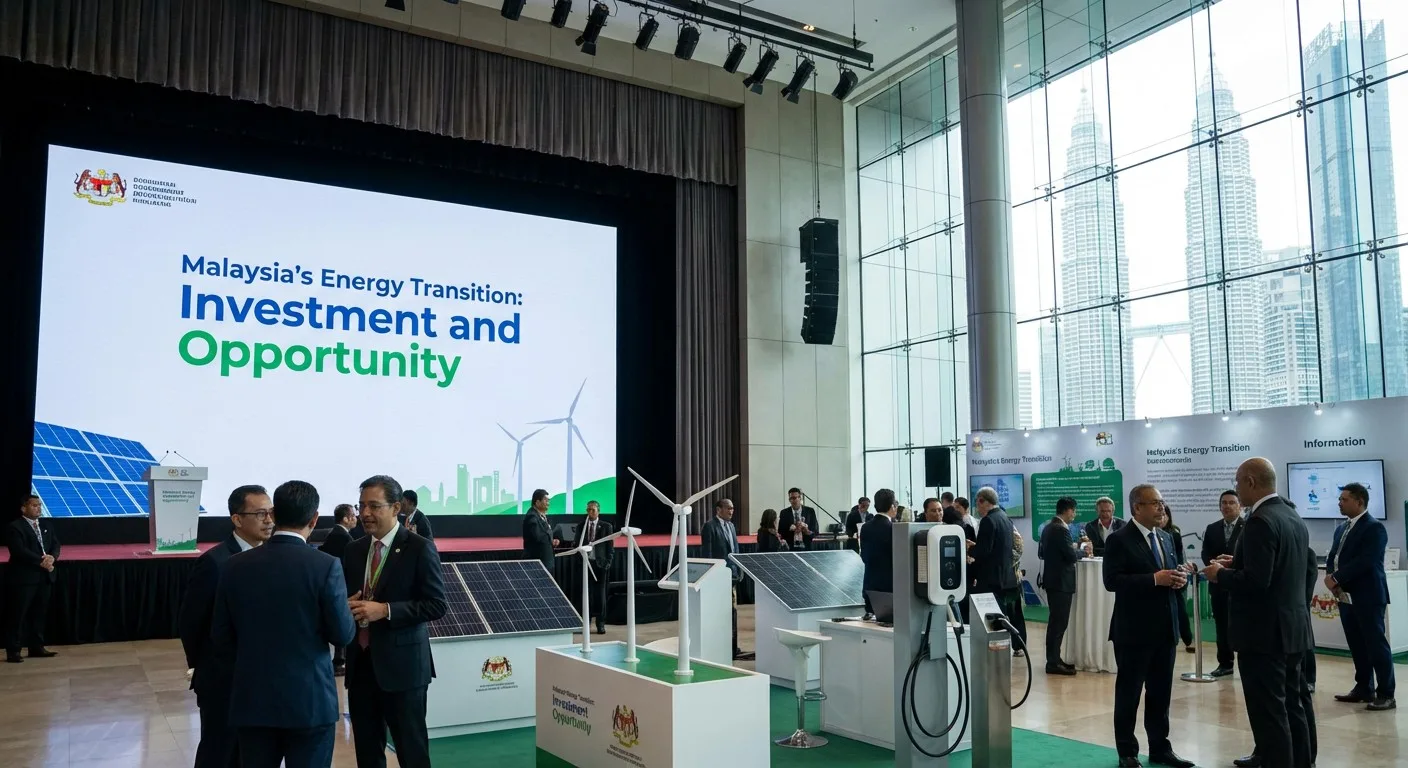
Malaysia’s Energy Transition: Investment and Opportunity
Riding the Green Wave: How Malaysia Can Thrive in the New Global Energy Landscape
The world’s economic map is being redrawn, not by shifting borders, but by the changing flow of energy. A powerful combination of global tensions and a determined push towards sustainability is creating a new reality for businesses everywhere. This is more than just a passing storm; it’s a fundamental shift in how the world powers its progress. For Malaysian companies, this period of intense change isn’t a threat to be weathered, but a remarkable opportunity to seize. By understanding the forces at play, we can position ourselves at the forefront of this new era, turning global uncertainty into a source of national strength and commercial success. This is our moment to navigate the accelerated energy transition and build a more resilient and prosperous future.
The New Global Energy Equation
For decades, the global energy market operated on a set of familiar rules. Today, those rules are being rewritten. Ongoing international conflicts and strained supply chains have exposed the vulnerabilities of relying too heavily on traditional energy sources from specific regions. Countries are now urgently seeking energy independence and security. This search is the primary catalyst accelerating the move towards renewable sources. We see this happening across Asia, where nations like South Korea and Hong Kong are actively repositioning their economies. They are not just reacting to immediate crises but are making long-term strategic decisions to embrace green energy, insulate themselves from volatility, and attract new forms of investment. Their actions provide a clear signal: the future of economic competitiveness is intrinsically linked to sustainable energy.
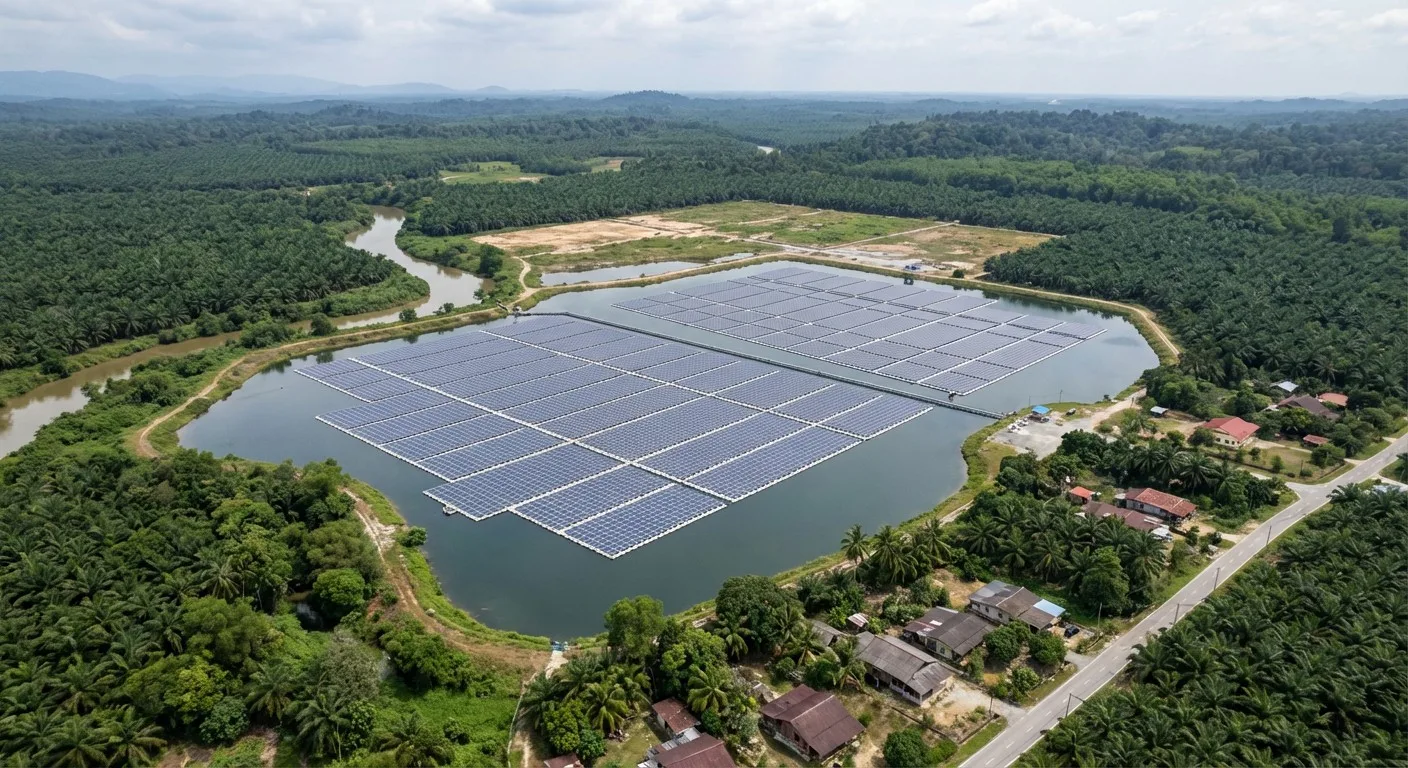
Malaysia’s Moment: The Renewable Energy Investment Boom
This global shift opens a significant door for Malaysia. We are perfectly placed to become a regional leader in the green economy. Our country’s natural advantages, from abundant sunshine for solar power to rich biomass resources, provide a solid foundation. The government’s National Energy Transition Roadmap (NETR) further solidifies this potential, outlining a clear path towards a cleaner energy future with ambitious targets. For businesses, this translates into a golden opportunity for renewable energy investment. The NETR isn’t just a policy document; it’s a blueprint for growth, flagging specific areas like large-scale solar parks and green hydrogen projects as national priorities. This clear direction from the top creates a stable and predictable environment for companies looking to invest in the technologies that will power tomorrow.
Beyond Power Grids: Strategic Market Positioning for the Future
Embracing renewables is about more than just generating clean electricity; it is a powerful tool for strategic market positioning. In a world fraught with uncertainty, stability is the new gold. International traders and investors are increasingly looking for markets that are not only economically sound but also politically stable and forward-thinking in their energy policies. By establishing ourselves as a green energy hub, Malaysia becomes a safe harbour in a volatile global sea. This enhances our appeal as a destination for foreign direct investment, as international corporations seek to de-risk their operations and supply chains. A strong commitment to renewable energy signals resilience, innovation, and long-term vision—qualities that make our market exceptionally attractive on the world stage.
The Importance of Smart Policy Innovation
To fully capitalise on this opportunity, we need more than just resources; we need a supportive ecosystem built on smart policy innovation. The government has already taken positive steps with incentives like the Green Investment Tax Allowance (GITA) and Green Income Tax Exemption (GITE). These measures are crucial as they reduce the financial barriers for companies wanting to adopt greener practices or invest in renewable projects. To keep the momentum going, we must continue to refine these policies, ensuring the process for businesses to participate is simple, transparent, and rewarding. A clear and consistent regulatory framework encourages private sector participation, fosters competition, and ultimately accelerates our national transition towards a sustainable economy.
Seizing the Transformative Global Trend
For Malaysian companies, now is the time for proactive strategy. Waiting on the sidelines is not an option. This transformative global trend requires decisive action. A key first step is for businesses to begin diversifying their own energy portfolios, exploring options like rooftop solar installations to reduce reliance on the grid and control costs. Furthermore, we must look beyond our borders and explore regional trading opportunities, such as the visionary ASEAN Power Grid project, which aims to create an integrated Southeast Asian energy market. Adopting sustainable practices is no longer just about corporate social responsibility; it is a core component of competitive advantage that can open up new markets, attract top talent, and build a brand that resonates with modern consumers.
In conclusion, the powerful currents of geopolitical disruption and the global energy transition are converging to create a once-in-a-generation opportunity for Malaysia. This is not a distant future scenario; it is happening right now. The actions we take today will determine our economic standing for decades to come. By fostering renewable energy investment, championing smart policy innovation, and adopting a forward-thinking strategic market positioning, we can navigate this changing world with confidence. For Malaysian businesses, the message is clear: embrace this transformative global trend, innovate boldly, and lead the charge in building a resilient, sustainable, and prosperous future for our nation. The time to act is now.