
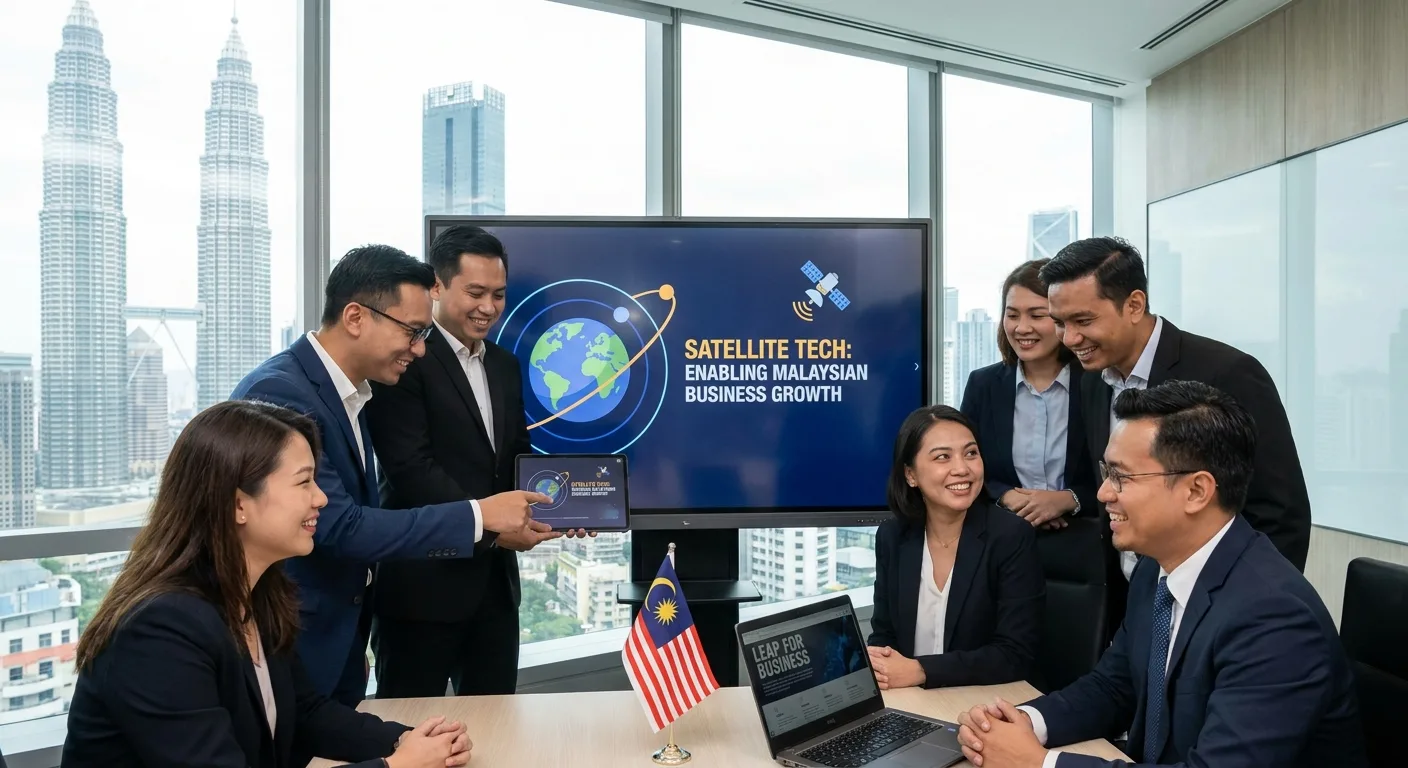
Satellite Tech: A Leap for Malaysian Business Growth
Beyond the Fibre: Why Satellite Tech Is the Next Big Leap for Malaysian Businesses
Imagine a plantation manager in rural Sabah optimising crop yields with real-time data from drones, or a boutique resort in the heart of Taman Negara offering flawless Wi-Fi to its international guests. For years, such scenarios felt like a distant dream, limited by the reach of physical cables. However, the landscape of connectivity is undergoing a dramatic shift. A new wave of communication technology, broadcasting directly from the sky, is set to erase these digital boundaries. This isn’t about replacing our existing infrastructure but complementing it, opening up a universe of possibilities. We are on the cusp of an era where your location no longer dictates your access to opportunity, and for enterprises across Malaysia, this is a game-changer we must explore.

A New Highway in the Sky
For decades, when we thought of satellite internet, we pictured large, stationary dishes and connections that were often slow and expensive. That picture is now outdated. The revolution comes from a concept known as low-earth orbit, or LEO. Instead of a few large satellites far away, LEO networks consist of thousands of smaller satellites that orbit much closer to Earth. This proximity dramatically reduces lag (or latency) and increases speeds, making the connection feel much more like a high-speed fibre line. Think of it as moving from a single, winding country road to a multi-lane, high-speed expressway in the sky, capable of delivering reliable internet to places cables could never economically reach.
Closing the Gap from Perlis to Sabah
Malaysia has made incredible strides in digital infrastructure, yet geography remains a persistent challenge. From the agricultural heartlands in Pahang to the diverse communities in Sarawak and Sabah, there are numerous “white spots” on the connectivity map. Laying fibre optic cables across challenging terrains like dense jungles or mountainous regions is incredibly expensive and time-consuming. This is where this new generation of communication technology shines. It completely bypasses the need for ground-based infrastructure, offering a practical and rapid solution to connect underserved communities and remote business operations. For the first time, businesses in these areas can be brought fully into the digital economy, levelling the playing field for all.
Unlocking Real-World Opportunities
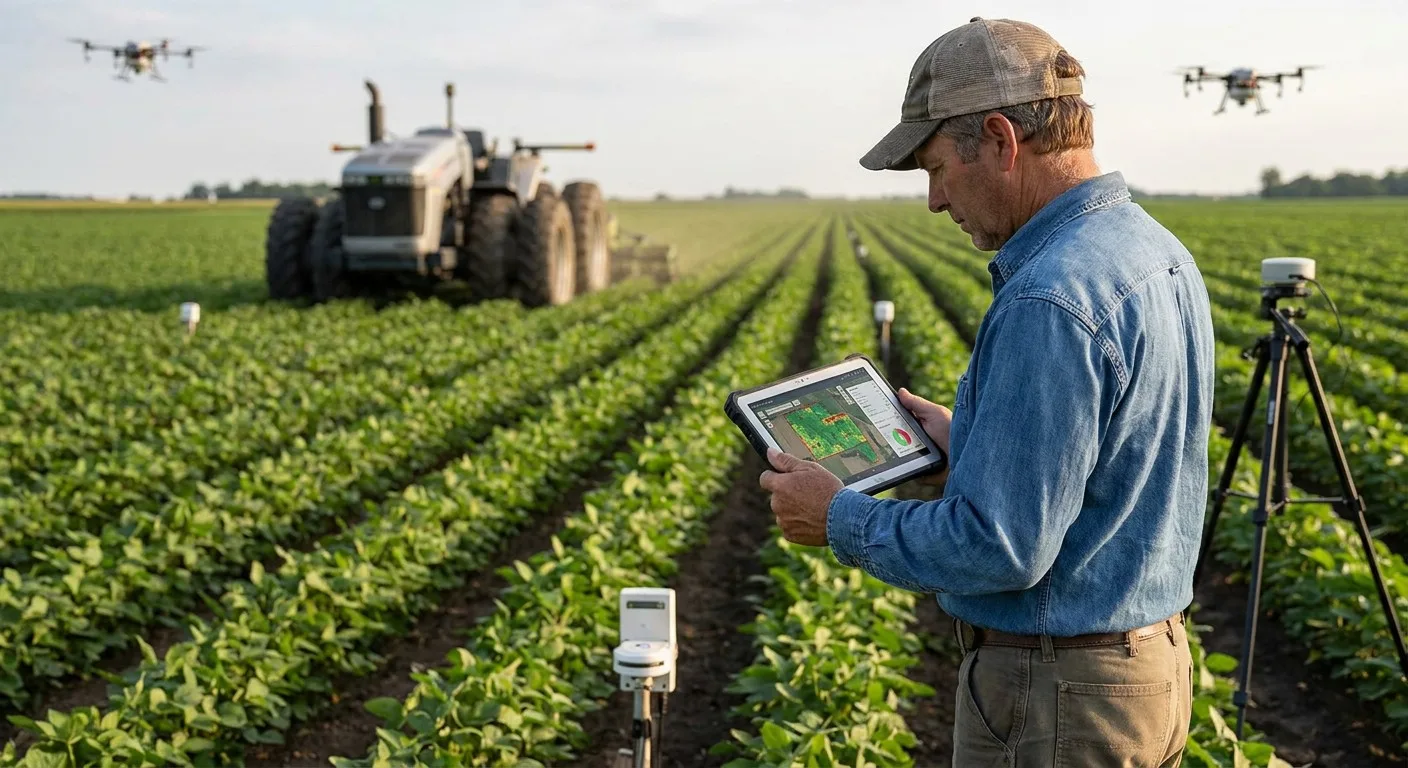
The potential goes far beyond simply providing internet access. For Malaysian businesses, this unlocks practical, revenue-generating applications. Consider the nation’s vital agriculture sector. A durian farm in a remote area could use IoT sensors to monitor soil moisture and temperature, transmitting data via a LEO connection to optimise irrigation and improve crop quality. In logistics, haulage companies can track their fleets in real-time across the entire country, even in areas with no mobile signal, improving security and efficiency. The tourism sector could see a boom in high-end eco-resorts, which can now offer the connectivity that modern travellers expect, without compromising their secluded, natural appeal.
Lessons from Around the Globe
This is not a theoretical future; it is happening now. In India, giants like Jio Platforms are pushing ahead with plans to launch satellite-based communication services to connect the most remote corners of the country. Closer to home, the official arrival of services like Starlink in Malaysia is a clear signal that the market is ready. These global and regional movements demonstrate the commercial viability and transformative potential of this technology. Early adopters are not just experimenting; they are gaining a significant competitive advantage. The question for business leaders is no longer “if” this technology will have an impact, but “how” they can harness it for growth.
Preparing Your Business for What’s Next
So, how can Malaysian enterprises get ready to catch this wave? The first step is strategic assessment. Identify the parts of your operation that are currently hampered by poor connectivity. Could a reliable internet connection at a remote site unlock new efficiencies or services? The next step is to stay informed. Follow the developments of providers operating in Malaysia and understand their service offerings and pricing models. We encourage businesses to think about starting small with a pilot programme. Test the technology at a single site or for a specific application to understand its benefits and challenges firsthand. This proactive approach will position your business not just to adapt to the changing digital landscape, but to lead it.
The rise of advanced satellite and low-earth orbit networks represents one of the most significant shifts in connectivity of our time. It’s more than just a technological marvel; it’s a powerful tool for economic empowerment and innovation. For Malaysian businesses, especially those operating outside major urban centres, this advanced communication technology offers a direct path to overcoming long-standing geographical barriers. It’s a chance to enhance efficiency, create new services, and compete on a truly national and even global scale. By understanding the potential and planning strategically, we can ensure that our enterprises are not just ready for the future, but are actively shaping it. The sky is no longer the limit; it’s the new frontier of opportunity.