

The global business map is being redrawn before our very eyes. Not by economists or market trends alone, but by handshakes, treaties, and political tensions that ripple across continents. What was once the predictable flow of trade and investment has become a complex current, influenced by new alliances and national priorities. For Malaysian business leaders, ignoring these undercurrents is no longer an option. Staying afloat and, indeed, sailing ahead requires a new kind of navigation—one that reads the political winds as keenly as the financial reports. This new landscape is filled with both challenges and significant prospects for those who are prepared to adapt and act decisively.
The New Rules of Global Trade
In the past, business decisions were often guided by straightforward metrics: production costs, market size, and logistics. Today, the international business dynamics have become far more layered. A trade agreement signed thousands of miles away can impact your supply chain overnight. A policy shift in a major economy can either open up a new market or close a previously profitable one. We are witnessing a move away from a purely globalised market towards one fragmented by regional blocs and national interests. This requires businesses to be more politically aware, understanding that their next big opportunity or biggest risk might come from a government directive rather than a competitor’s new product.
Learning from the Global Giants
We need only look at recent headlines to see this in action. Meta’s strategic pivot away from its initial ambitions in China is a powerful lesson in navigating regulatory and political barriers. Instead of forcing entry, they adapted, focusing on areas where their business could still thrive, like supporting Chinese businesses advertising abroad. Similarly, the United States becoming India’s top gas supplier is not just a story about energy; it’s a story about changing alliances. India is diversifying its energy partners for greater security, creating a massive new trade flow. These examples highlight how major corporations are responding to geopolitical shifts, prioritising resilience and adaptability over rigid, long-term plans that can no longer withstand sudden political changes.

Implications for Malaysian Businesses
So, what can we, as Malaysian entrepreneurs and business leaders, learn from this? The most immediate lesson is the importance of diversification. Relying too heavily on a single market or supply source is a risky strategy in today’s world. By exploring a wider range of markets—perhaps within ASEAN or emerging economies in Africa and Latin America—we can buffer ourselves from shocks in any one region. This proactive diversification itself can uncover exciting emerging opportunities that were previously overlooked. Alongside this, strengthening our risk management frameworks to include geopolitical analysis is crucial. We must start asking questions like, “What is the political stability of our partner countries?” and “Are there any trade disputes on the horizon that could affect us?”
Turning Challenges into Strategic Advantages
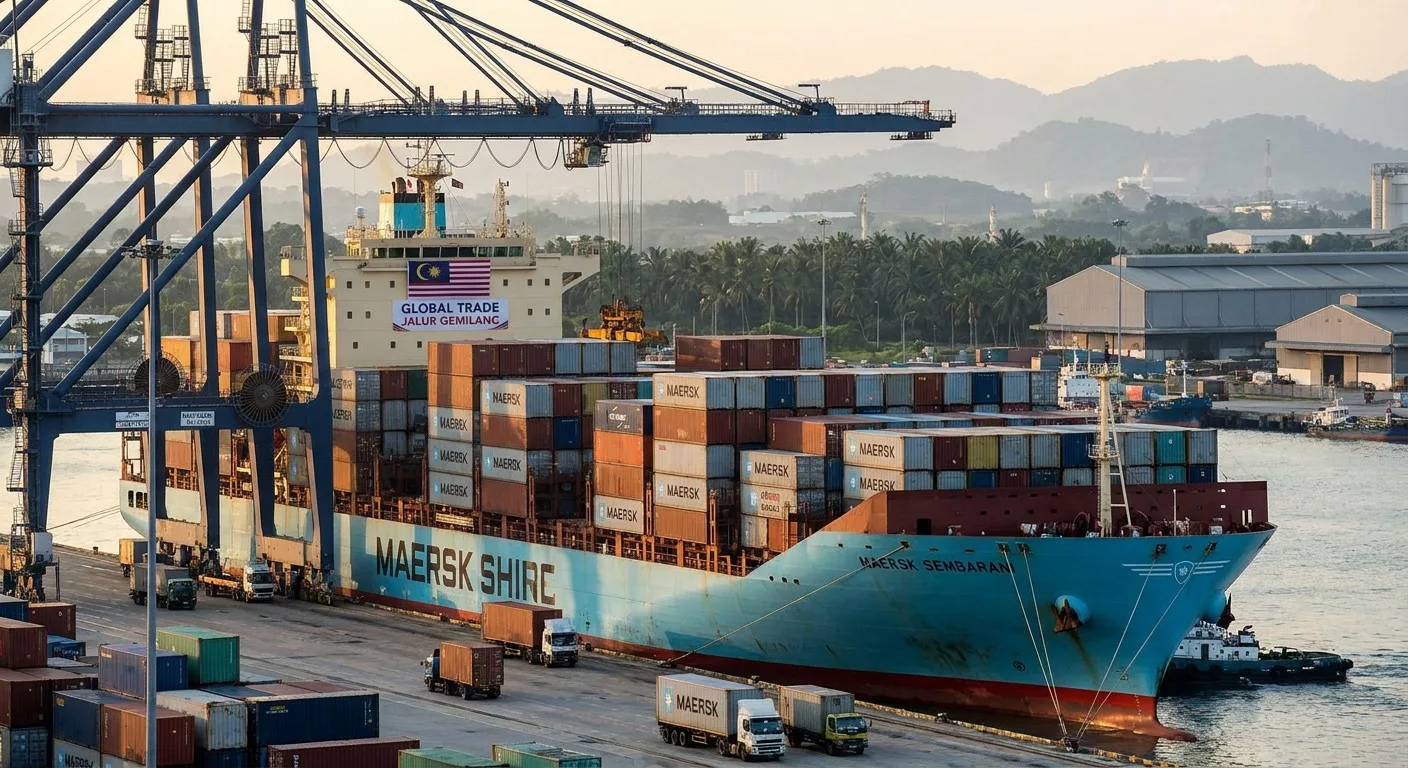
Every challenge presented by this new global landscape also contains the seed of an opportunity. As larger nations redraw their trading relationships, gaps in the market appear. A Malaysian company that is nimble and well-informed can step into these gaps, offering solutions that larger, slower corporations cannot. For instance, if a trade dispute disrupts a common supply chain, a Malaysian firm with diverse sourcing options can become an invaluable partner. The key is to stay informed. By actively monitoring global news and understanding the motivations behind political decisions, we can anticipate changes and position our businesses not just to survive, but to thrive. This proactive stance is what separates market leaders from those left behind.
A Practical Blueprint for Growth
Putting these ideas into practice requires a conscious shift in planning. For investment strategies, this might mean favouring joint ventures with local partners who understand the political climate or structuring investments in phases to mitigate risk. When considering market entry, a thorough geopolitical risk assessment must become as standard as a financial one. For long-term planning, agility is the new mantra. Our five-year plans should have built-in flexibility, allowing us to pivot as the international business dynamics change. By integrating this geopolitical awareness into the very core of our business planning, we build resilience and create a solid foundation for sustainable growth in an uncertain world.
In conclusion, the world is in a state of flux, and the ground rules for international business are being rewritten. The headlines about Meta in China or US-India trade are not distant news items; they are case studies for the modern Malaysian enterprise. By embracing diversification, sharpening our risk management, and actively seeking the emerging opportunities hidden within these changes, we can confidently navigate this new era. The challenge is real, but for those who are adaptable, informed, and courageous, the rewards are immense. It is time for Malaysian businesses to look at the world map not just as a network of markets, but as a dynamic chessboard, and to make our strategic moves with wisdom and foresight amid these ongoing geopolitical shifts.