
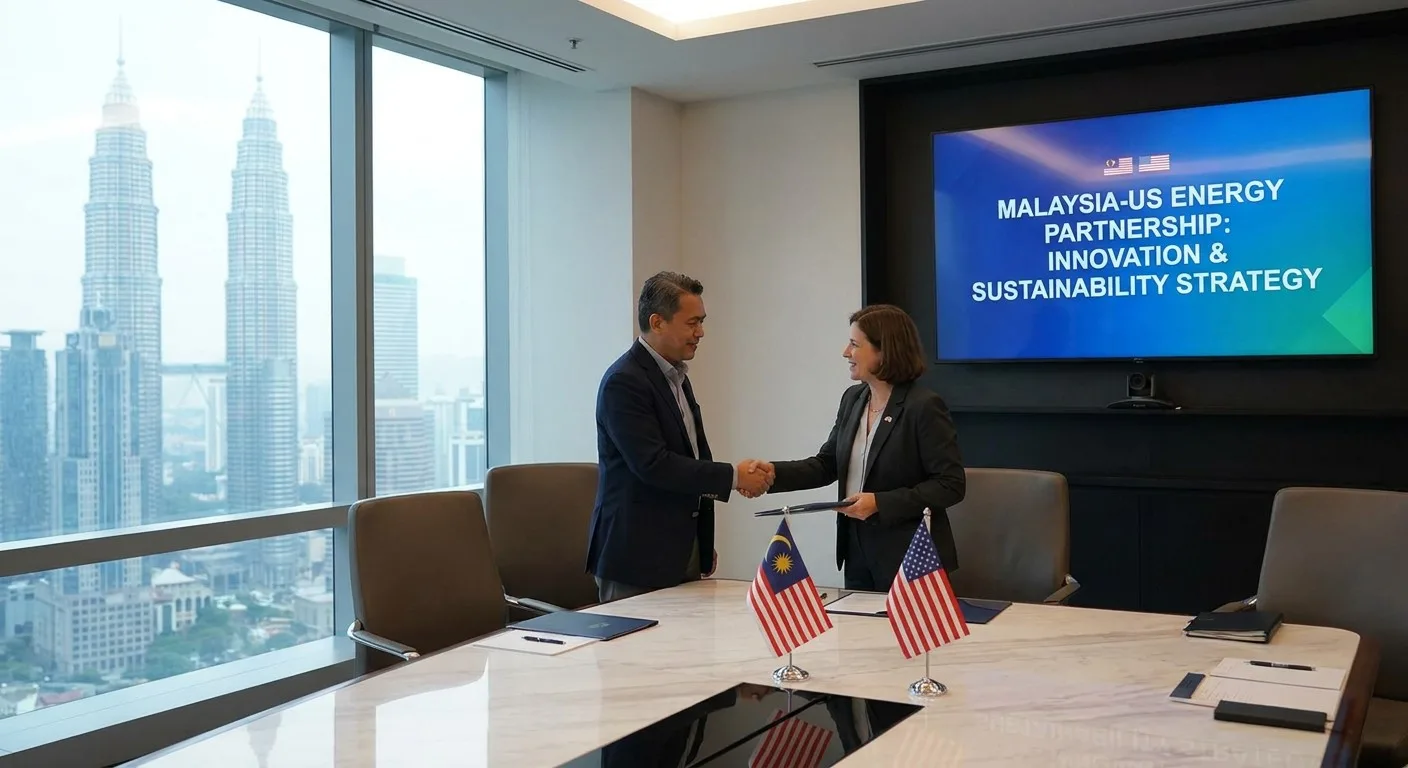
Malaysia, US Energy and a New Business Strategy
The world’s energy map is being redrawn before our very eyes. For decades, the flow of power, both literally and figuratively, followed predictable routes. Today, those routes are shifting dramatically. A significant new current is emerging from the West, with the United States stepping onto the global stage not just as a consumer, but as a major energy supplier. This fundamental change is sending ripples across the globe, particularly towards the bustling economies of Asia. For nations like Malaysia, this isn’t a distant headline; it’s a strategic crossroad. How our industries and policymakers respond to these new dynamics will define our economic resilience and competitive advantage for years to come. This article explores how we can navigate these changes and turn them into a powerful opportunity.
A New Player in the Global Energy Game
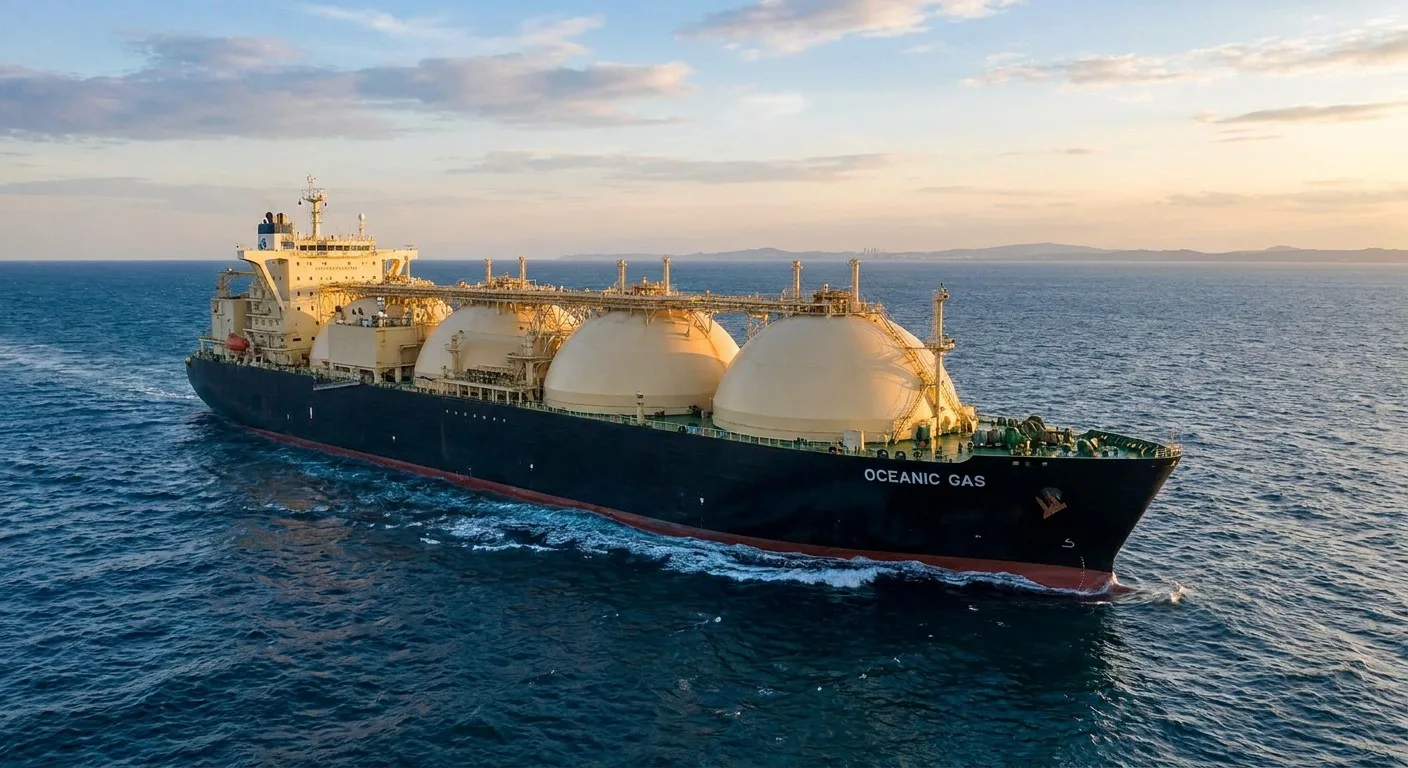
For a long time, the global energy conversation was dominated by a handful of key players. The recent transformation of the United States into a leading exporter of Liquefied Natural Gas (LNG) has disrupted this status quo. Thanks to technological advancements, the US is now channelling significant volumes of natural gas to international markets, actively seeking stable, long-term partners. We are already seeing this play out with major economies like India securing strategic energy partnerships with the US. This recalibration offers a critical lesson: reliance on a narrow set of suppliers is a risk of the past. The future belongs to those who can build a diverse and resilient supply network.
An Opportunity for Southeast Asian Resilience
The shift in US policy creates a valuable opening for Southeast Asian nations. As global supply chains reconfigure, the region has a chance to renegotiate its energy position. Instead of being passive price-takers, we can become strategic partners. The deals being forged by other Asian countries provide a clear blueprint. By engaging with new suppliers like the US, countries in this region can reduce their vulnerability to price volatility and supply disruptions often linked to geopolitical instability in other parts of the world. This is not just about securing fuel; it’s about building a foundation for stable industrial growth and economic security. The conversation is moving from mere procurement to strategic alignment.
What This Means for Malaysian Businesses
For business leaders in Malaysia, especially within the manufacturing, logistics, and heavy industrial sectors, this changing landscape is directly relevant to the bottom line. Consistent and affordable Energy is the lifeblood of industry. The current global shifts offer a chance to hedge against future uncertainty. By exploring diversified energy sources, including potential imports from new, stable partners, Malaysian companies can gain better control over their operational costs and enhance their competitiveness. This requires a proactive Business Strategy, one that looks beyond immediate needs and considers the long-term energy security of the enterprise. It is about transforming a potential risk into a tangible competitive edge.

Building a Strategic Investment Roadmap
Seizing this opportunity demands more than just watching from the sidelines. It calls for action. Malaysian businesses could spearhead initiatives like forming consortiums to explore joint energy procurement, making large-volume deals more accessible. Furthermore, this opens up avenues for strategic investment. Are there opportunities to invest in new LNG receiving terminals, storage facilities, or related infrastructure that would not only serve individual companies but also strengthen the nation’s overall energy infrastructure? Developing a forward-thinking investment roadmap is essential. This is where a well-defined Business Strategy can guide companies to make smart, future-proof decisions that align with these emerging global trends.
Navigating the Geopolitical Currents
Engaging in the global energy market inevitably means navigating the complex currents of Geopolitics. New energy partnerships are also, by nature, diplomatic and economic alliances. Malaysian businesses must approach these opportunities with a clear understanding of the broader political landscape. Building strong, transparent relationships is just as important as negotiating favourable terms. It is crucial to analyse the long-term implications of these ties and ensure they align with our national interests. A successful approach will balance commercial benefits with geopolitical astuteness, ensuring that new partnerships contribute positively to our nation’s stability and prosperity.
In conclusion, the tectonic plates of the global energy landscape are shifting, and the emergence of the United States as a key supplier presents a clear and actionable opportunity. For our nation, it is a chance to enhance our energy security and build a more resilient industrial sector. For our business leaders, it is a call to develop a proactive and insightful approach, turning global Geopolitics into a driver for competitive advantage. This requires moving beyond traditional thinking and embracing a strategy of diversification and strategic partnership. In today’s interconnected world, staying informed and visible is key. A strong digital presence, optimised through effective SEO, will be crucial for discovering new partners and capitalizing on the intelligence that will shape this new era of energy.