

Malaysia: Thrive in the Current Economy with Risk Management
The global business map is being redrawn before our eyes. With stormy seas of economic uncertainty ahead, many are bracing for impact. A colossal US$2.5 trillion gap in trade finance looms large, while international tensions add another layer of complexity. Yet, for Malaysia, this turbulent environment isn’t just a threat; it’s a defining moment. Thanks to a stable domestic foundation, our businesses are in a unique position to navigate these challenges. This article explores the **current economic landscape**, highlighting how Malaysia’s financial stability provides a crucial anchor and how local enterprises can use smart adaptation and robust **risk management techniques** to not only survive but thrive in the years to come.
Malaysia’s Financial Resilience: An Anchor in Choppy Waters
In a world of fluctuating policies, stability is a currency of its own. Here at home, Bank Negara Malaysia (BNM) has provided a steady hand by maintaining the Overnight Policy Rate (OPR). This decision sends a clear signal of confidence in our domestic economy’s strength and growth prospects. For business owners, this translates into more predictable borrowing costs and a more stable planning environment. While the Ringgit, like many currencies, has felt the pressure from a strong US dollar, it has shown remarkable resilience. This isn’t by chance; it’s anchored by Malaysia’s solid economic fundamentals, including healthy export figures and proactive monetary policies that manage inflation without choking growth.
Confronting the Global Trade Finance Challenge
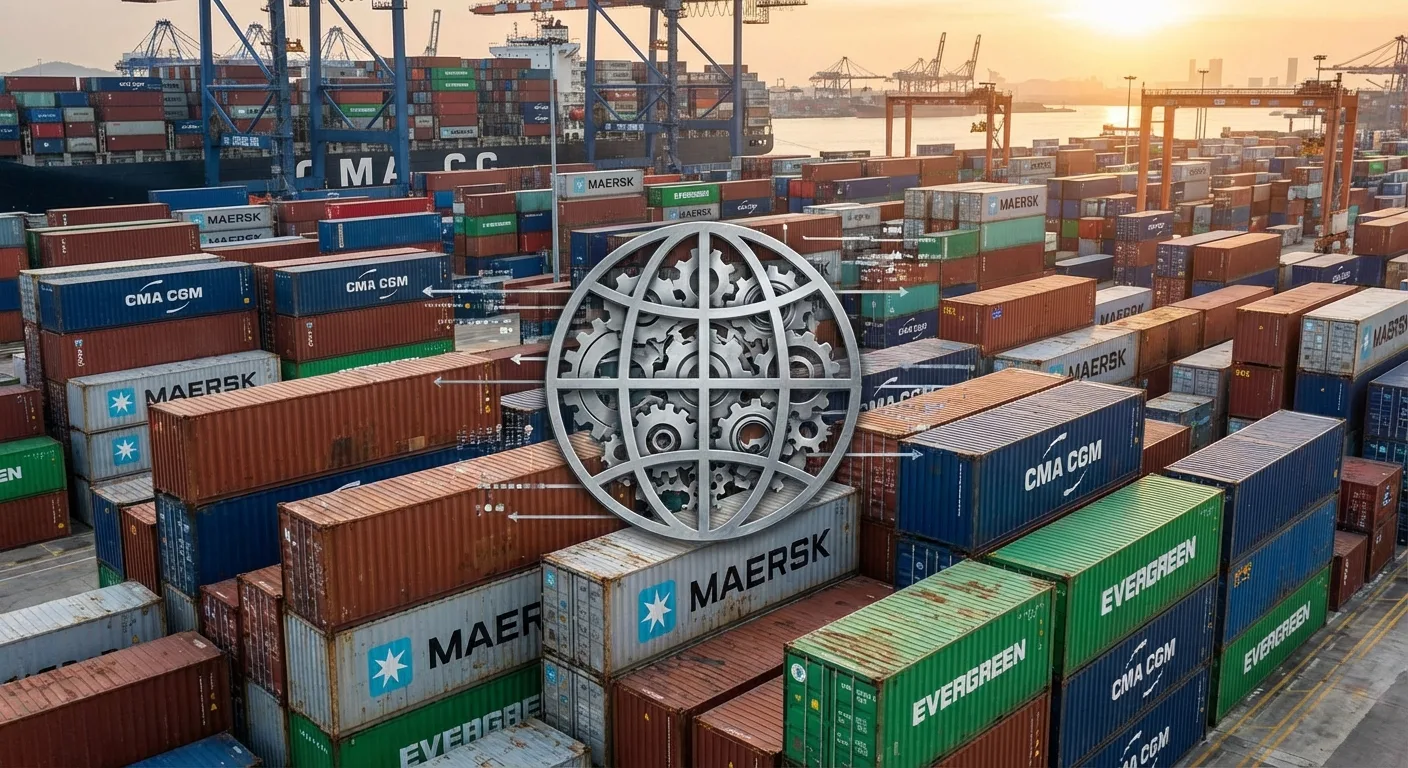
One of the most significant headwinds is the growing gap in global trade finance. This shortfall, now estimated at a staggering US$2.5 trillion, represents the difference between the financing businesses need to trade and what traditional banks are willing to provide. As global banks become more cautious, it’s often the small and medium-sized enterprises (SMEs) that feel the squeeze the most. This can stall growth, limit expansion into new markets, and disrupt supply chains. For Malaysian businesses with global ambitions, understanding and finding ways around this financing gap is no longer optional; it’s a core strategic challenge that needs to be addressed head-on.
Adapting to Thrive: Strategic Pivots for Businesses
Success in this new era will not come from waiting for the storm to pass, but from learning to sail in it. Malaysian businesses must be agile and strategic in their adaptation. This starts with diversification. Relying too heavily on one or two traditional export markets is a risky game. It’s time to seriously explore the potential within our ASEAN neighbours and other emerging economies. Furthermore, the pandemic taught us harsh lessons about fragile supply chains. Building resilience means considering strategies like dual-sourcing for critical materials or even near-shoring production closer to home. Embracing digital finance platforms can also be a game-changer, offering alternative avenues to secure trade financing that bypasses traditional blockages.

From Uncertainty to Advantage
Every challenge carries the seed of an opportunity. The current market uncertainty can be turned into a powerful competitive advantage for forward-thinking Malaysian companies. While hesitant competitors may pause, agile businesses can seize market share and build stronger customer relationships. This environment forces a healthy focus on efficiency, pushing businesses to streamline operations, adopt new technologies, and cut waste. There is also a growing opportunity for companies that lead in sustainability. As international partners and consumers place more importance on Environmental, Social, and Governance (ESG) criteria, Malaysian businesses that embed these principles into their core strategy will stand out and command greater trust and loyalty in the global marketplace.
Developing Robust Risk Management Strategies
Navigating uncertainty requires a good map and a sturdy ship. For businesses, this means developing robust **risk management techniques**. This goes far beyond a simple insurance policy. It involves proactive financial planning, such as using currency hedging tools like forward contracts to protect against volatile exchange rates. Operationally, it means engaging in scenario planning: What is our backup plan if a key supplier faces disruption? How will we manage a sudden spike in shipping costs? Building a healthy cash reserve is also fundamental, as liquidity provides the flexibility to weather unexpected shocks and seize opportunities when they arise. A strong risk management framework is the bedrock of long-term stability and growth.
Conclusion: Charting a Course for Success
The road to 2026 is paved with both challenges and significant opportunities. While global economic headwinds are undeniable, Malaysia’s measured domestic policies offer a stable foundation from which to operate. For business owners, entrepreneurs, and financial professionals, the message is clear: proactive adaptation is key. By diversifying markets, strengthening supply chains, and embracing innovative financial tools, our enterprises can navigate the **current economic landscape** with confidence. This is a moment for bold leadership and strategic foresight. By viewing this period of uncertainty not as a barrier but as a catalyst for growth, **Malaysian companies** can build more resilient, efficient, and competitive operations, ensuring they are well-positioned to succeed for years to come.