
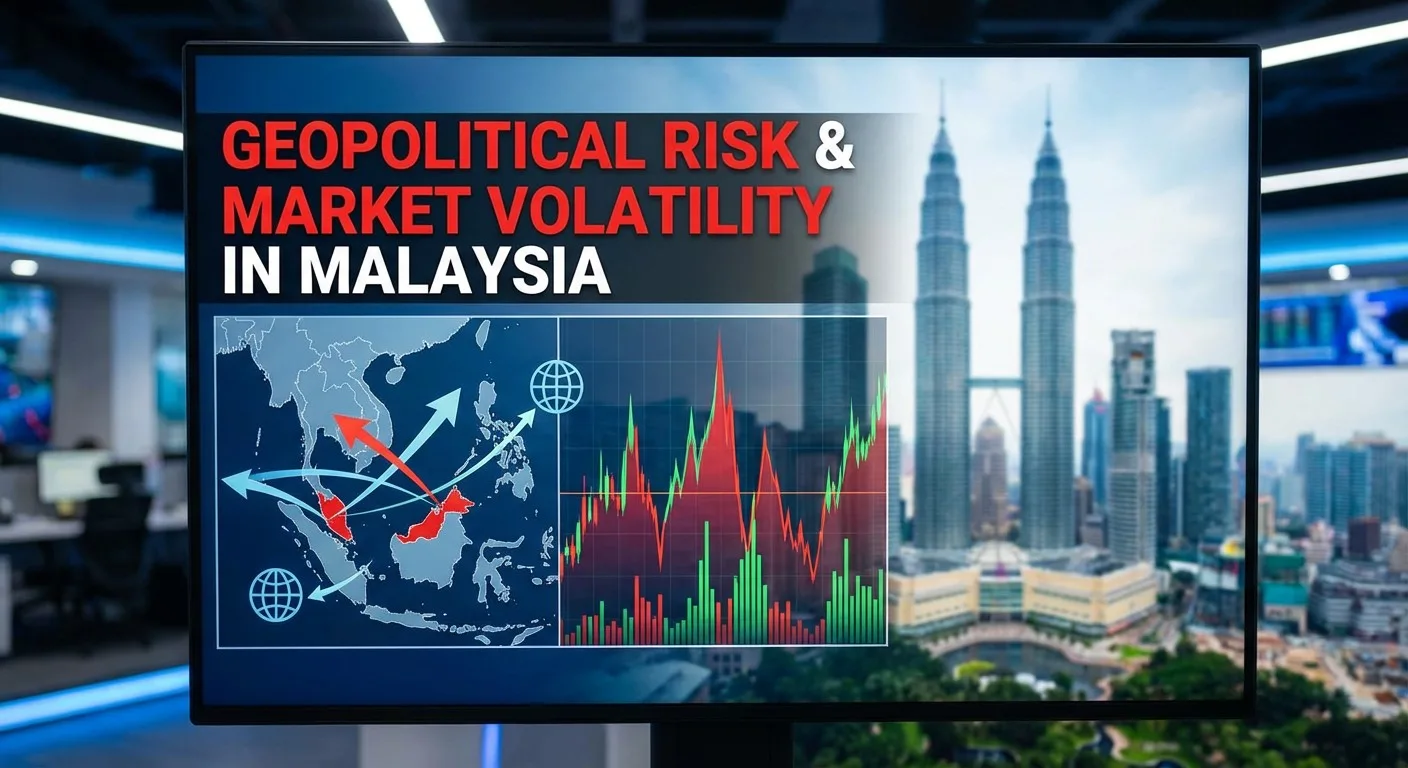
Geopolitical Risk & Market Volatility in Malaysia
The world feels smaller than ever, and events unfolding thousands of kilometres away can now send shockwaves directly to our shores in Malaysia. The fragile dance of diplomacy and power in critical sea lanes, such as the Strait of Hormuz, is no longer a distant news headline. It is a direct influence on our economy, affecting everything from the price of petrol to the stability of our investments. As these global currents shift, they introduce a level of **market volatility** that demands our full attention. For Malaysian business leaders and investors, understanding these dynamics is not just wise; it is essential for survival and growth. This is a time that calls for careful observation and proactive strategic risk management.
The Ripple Effect from the Strait of Hormuz
At the heart of the current unease is the Strait of Hormuz, a narrow waterway separating Iran from the Arabian Peninsula. It is arguably the world’s most important oil chokepoint, with a significant portion of global oil supplies passing through it daily. Prevailing tensions involving the United States and Iran have cast a long shadow over this vital passage. Any threat of a blockade or military incident immediately creates a complex geopolitical situation. The world watches with bated breath because a disruption here does not just affect the immediate region; it triggers a domino effect across the globe, reaching nations like Malaysia that depend on stable international trade and predictable energy markets.
The Pressure on Our Pumps and Ports
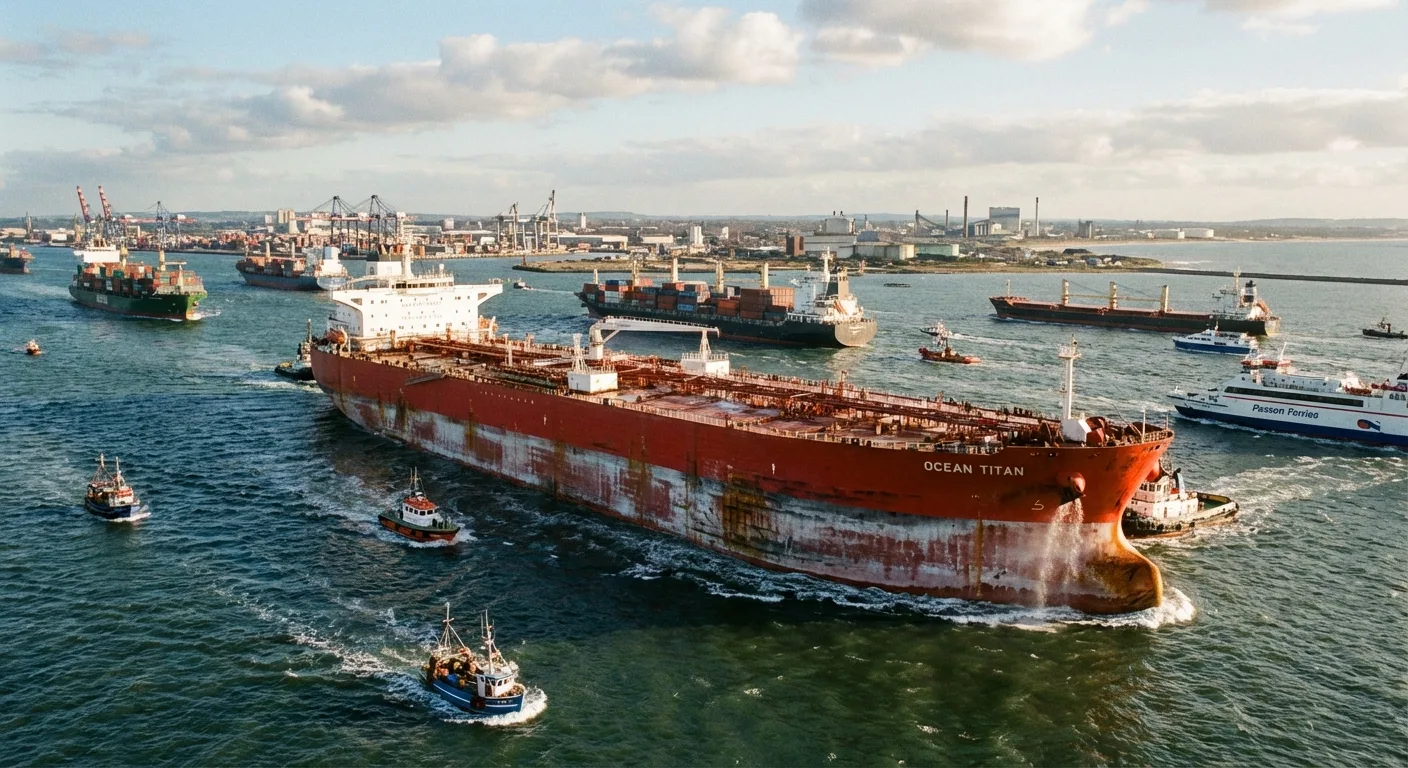
For Malaysia, the most immediate and noticeable impact of this instability is on oil prices. When the flow of oil through the Strait of Hormuz is threatened, global crude oil prices can spike dramatically. While Malaysia is an oil-producing nation, we are also a significant consumer. Higher crude prices translate directly to increased costs for businesses that rely on fuel for transportation and operations. This puts pressure on supply chain logistics and can eventually lead to higher prices for consumers. Beyond fuel, the situation raises concerns about the security of our trade routes. Any disruption could force cargo ships to take longer, more expensive voyages, delaying shipments and increasing costs for both our exporters and importers. This highlights a growing concern for national energy security and supply chain resilience.
Shaky Ground for Investors
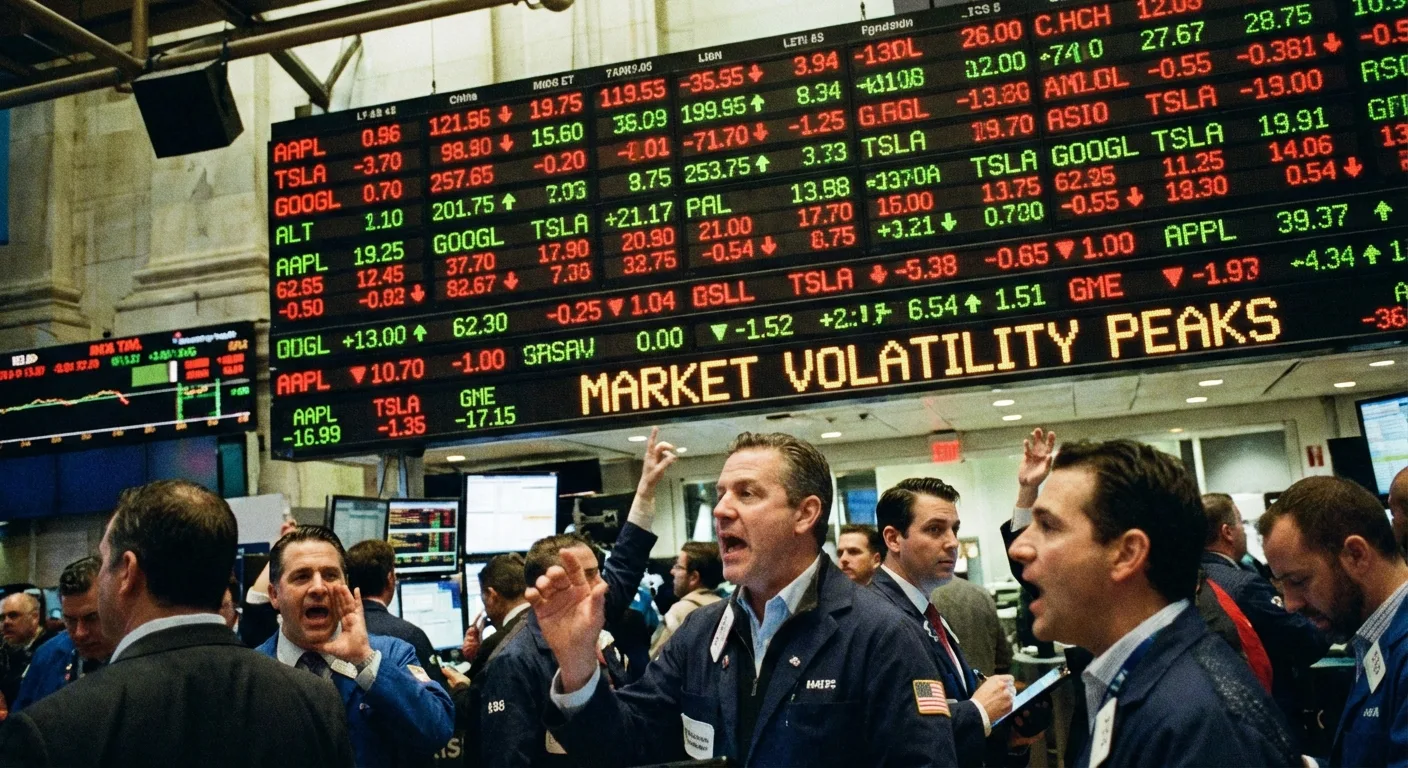
Financial markets dislike instability more than anything else. The persistent tension in the Middle East introduces a heavy dose of uncertainty, making investors nervous. In such times, a “risk-off” sentiment often takes hold. This is where investors pull their money out of what they see as riskier assets—like stocks in emerging markets such as Malaysia—and move it into “safe-haven” assets like gold or the US dollar. The result for us can be a dip in the FBM KLCI and pressure on our Ringgit. For Malaysian investors and companies seeking capital, this environment makes planning difficult. The unpredictable swings can erode portfolio values and make it harder to forecast financial performance with confidence.
The Call for Smarter Business Strategies
While we cannot control international disputes, we can absolutely control how we prepare for their consequences. The current environment is a clear signal for Malaysian businesses to double down on foresight and adaptive planning. This is the moment to review and fortify your business strategy against external shocks. Relying on a single supplier or a single market is a risk that is becoming too great to bear. Diversifying your supply chain, exploring new export markets, and hedging against currency and commodity price swings are no longer just good ideas; they are necessary components of modern strategic risk management. Building a more resilient business model is the best defence against a world in flux.
In conclusion, the geopolitical storm brewing in the Strait of Hormuz serves as a powerful reminder of our interconnected world. The direct consequences for Malaysia are clear: potential volatility in energy prices, risks to our trade routes, and a climate of economic uncertainty that fuels market volatility. Ignoring these signals is a gamble that few can afford to take. The challenge for us as a nation and as business leaders is to navigate these turbulent waters with intelligence and foresight. By staying informed, embracing diversification, and embedding resilience into our strategies, we can not only weather the storm but also position ourselves to emerge stronger on the other side. Preparation is our most powerful asset in an unpredictable world.