
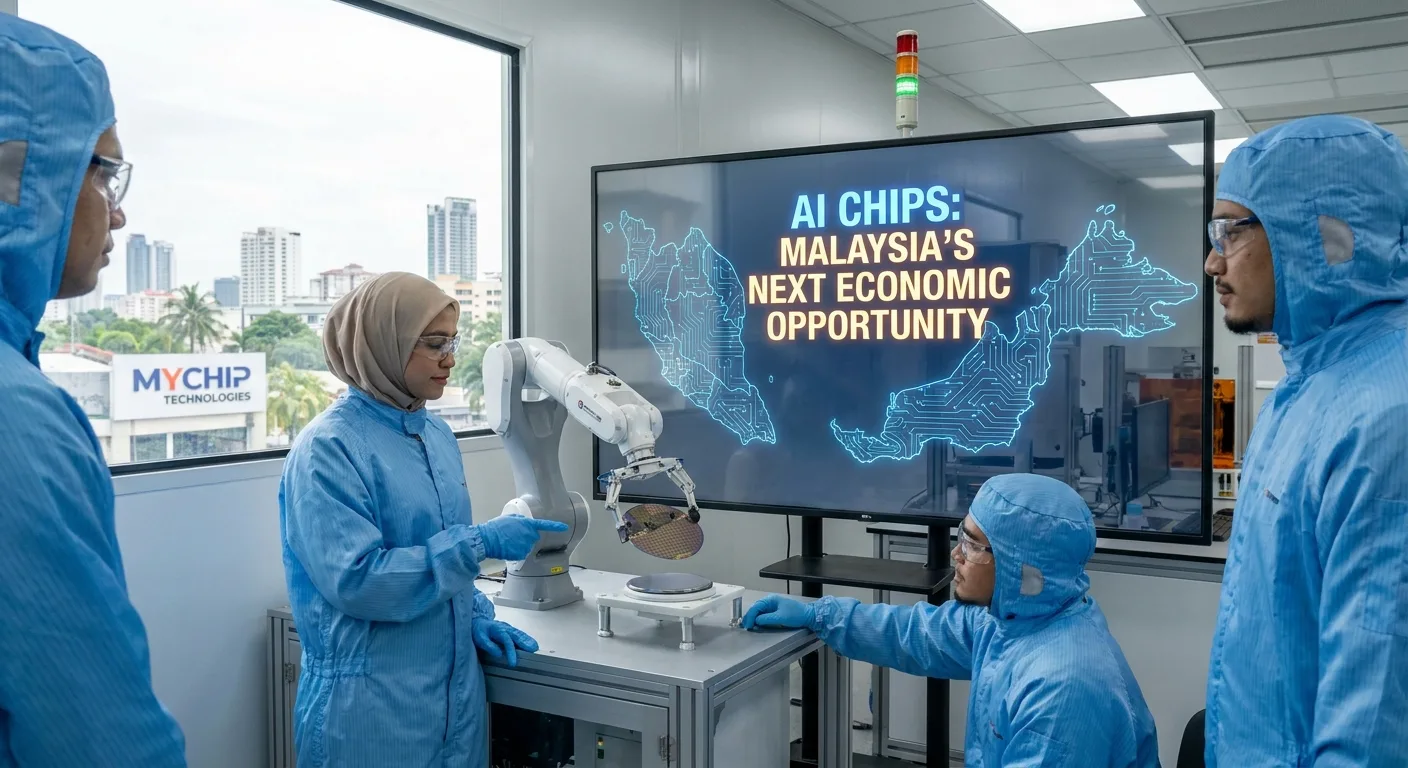
AI Chips: Malaysia’s Next Economic Opportunity
Imagine a single domino causing a chain reaction that completely reshapes an entire landscape. In the world of technology, that first domino is artificial intelligence, and its effects are rippling through global markets at a staggering pace. We’ve all seen the headlines, especially the news about semiconductor firm SK Hynix reaching a market value that was once hard to imagine. This isn’t just another tech trend; it’s a fundamental shift. For us in Malaysia, this raises an important question: are we watching from the sidelines, or are we preparing to get in the game? This shift presents a massive opportunity for savvy Malaysian businesses and investors who are willing to look beyond the usual and understand the new rules of play.
The Real Engine of the AI Boom
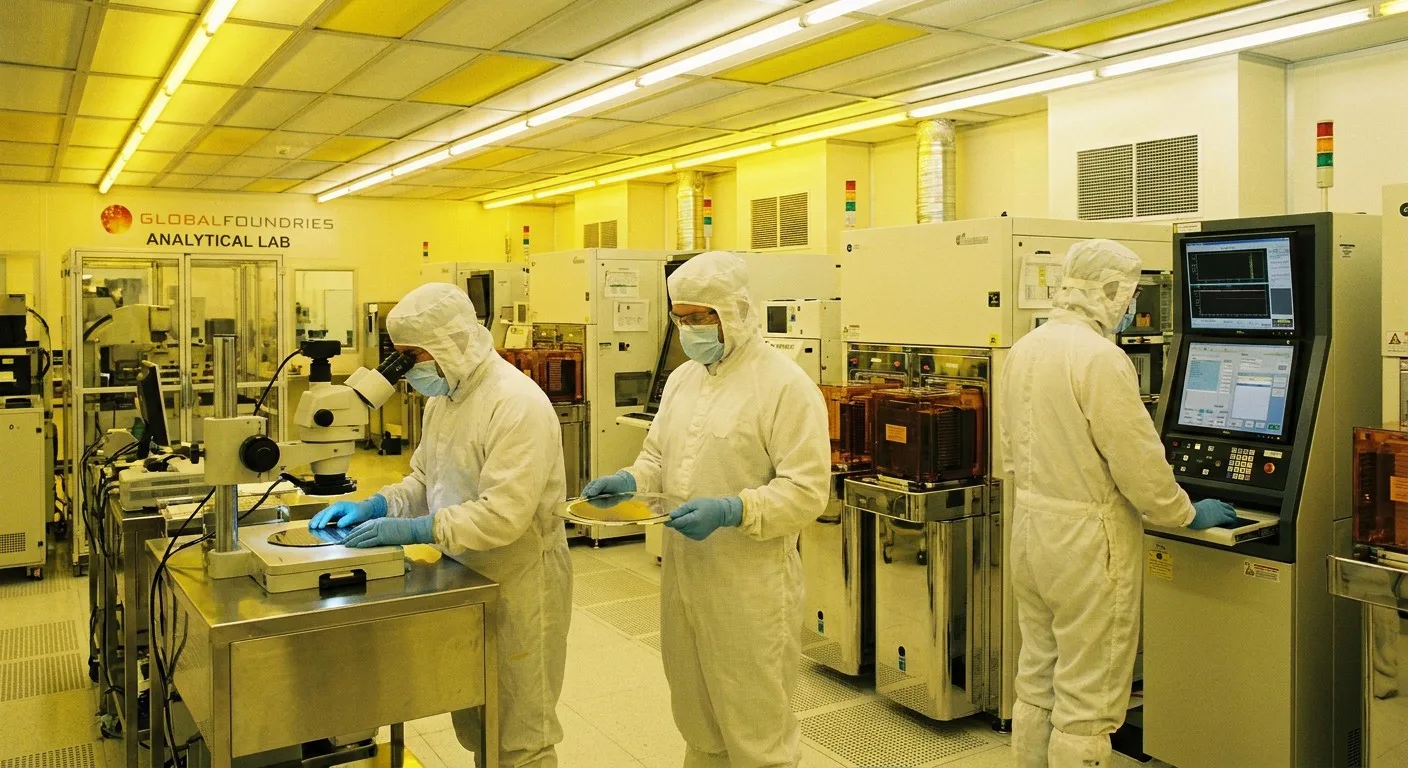
For years, the spotlight in tech was on software, apps, and platforms. But the current AI revolution is powered by something much more physical: specialised semiconductors, or AI chips. Companies like SK Hynix aren’t just making computer parts; they are building the very foundation of modern AI. These chips are essential for training and running the complex AI models that are changing every industry. The incredible market valuations we’re seeing are a direct result of this demand. This highlights a new reality in the AI chip sector – it has become the core of technological progress and, as a result, a prime target for smart money worldwide. It signals a major change in where the value lies in the tech ecosystem.
Rethinking Traditional Tech Investments
The rise of the AI hardware market is forcing a rethink of what makes a good technology investment. The old model of backing the next big app or social media platform is being challenged. Investors are now pouring capital into the companies that create the underlying infrastructure for AI. This shift is turning traditional tech investments on their head. The growth is not just in the companies designing the AI, but equally, if not more so, in those manufacturing the high-performance memory and processors that make it all possible. For Malaysian investors, this means looking deeper into the supply chain and identifying the companies that are providing the essential tools for the AI age, as this is where significant growth is happening.
An Economic Opportunity for Malaysia
This global shift is more than just a tech story; it’s a huge economic opportunity for nations ready to act. For Malaysia, a country with a strong history in the electronics manufacturing sector, this presents a unique chance to level up. We have the potential to move from being a part of the assembly line to becoming a key player in the high-value AI ecosystem. This involves more than just factories; it means strategic investment in AI infrastructure, fostering research and development, and creating policies that attract talent and capital into the local AI chip sector. By positioning ourselves correctly, we can capture a slice of this incredibly lucrative and rapidly growing global market.
Building a Future-Ready Workforce
Having the best technology and infrastructure is only half the battle. To truly take part in this AI-driven revolution, we must invest in our people. A successful transition depends entirely on skill development. We need to cultivate a workforce that understands AI, from the engineers who can work with advanced semiconductors to the data scientists who can build new applications. This calls for a joint effort between the government, universities, and private companies to update curriculums, offer specialised training, and create a culture of continuous learning. Equipping our talent with the right expertise is the most important investment we can make to ensure Malaysian businesses are not just users of AI, but creators and innovators within it.
Seizing Our Moment in the AI Revolution
The ongoing technological transformation, driven by AI, is a defining moment of our time. The remarkable success of semiconductor companies shows us where the future is heading. For Malaysian entrepreneurs and investors, the message is clear: the landscape has changed. Simply observing is no longer enough. It’s time to actively understand, participate, and invest. By strategically focusing on new-era tech investments, supporting our role in the global supply chain, and prioritising skill development, we can turn this global trend into a national success story. This is a significant economic opportunity, and by acting decisively, we can ensure Malaysia plays a meaningful and profitable role in the exciting AI-powered future that is already unfolding before us.