
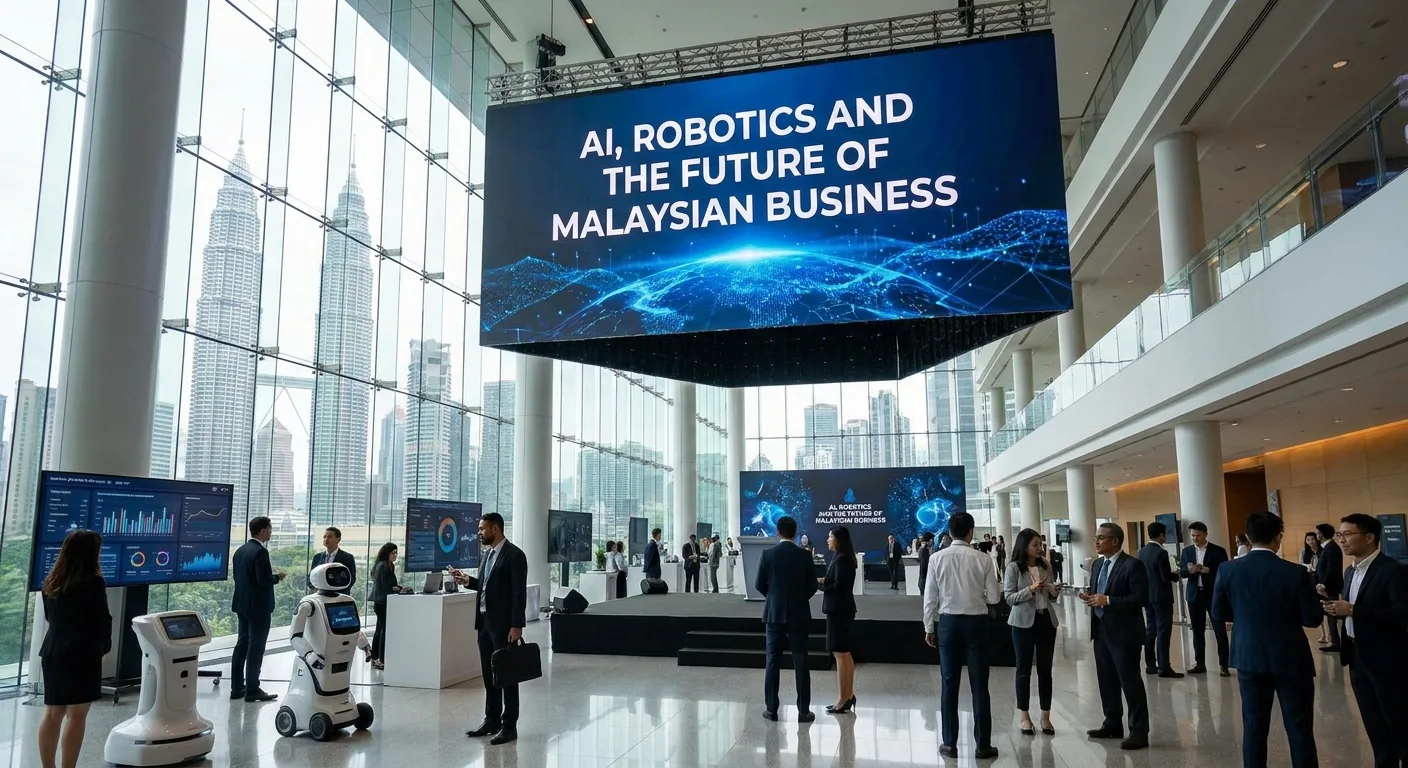
AI, Robotics and the Future of Malaysian Business
The global business conversation is changing, and it’s being written in a new language: the language of algorithms and automation. Across the world, from the bustling tech hubs of China to the innovation centres in the United States, a technological shift is underway. This isn’t just about faster computers or new software; it’s a fundamental change driven by the powerful combination of robotics and artificial intelligence (AI). This new era presents both a significant challenge and a massive opportunity. For companies in Malaysia, the question is no longer *if* they should pay attention, but *how* they can become fluent in this new language to secure their place in the future of global commerce. In this article, we’ll explore this transformation and what it means for our local enterprises.
The New Industrial Revolution
We are witnessing a quiet revolution, one powered by intelligent machines. In countries like China, companies such as Unitree are pushing the boundaries of what robots can do, moving them from factory floors into more complex roles. This is part of a larger global race where nations are investing heavily to lead in AI development. This technology is not just for tech giants; it’s changing everything from how we receive customer service, how doctors diagnose illnesses, to how products are designed and manufactured. The core of this change lies in AI’s ability to learn from data, identify patterns, and make decisions, while robotics provides the physical means to act on those decisions in the real world. This powerful duo is setting a new standard for efficiency and innovation across all sectors.
What This Means for Malaysian Businesses
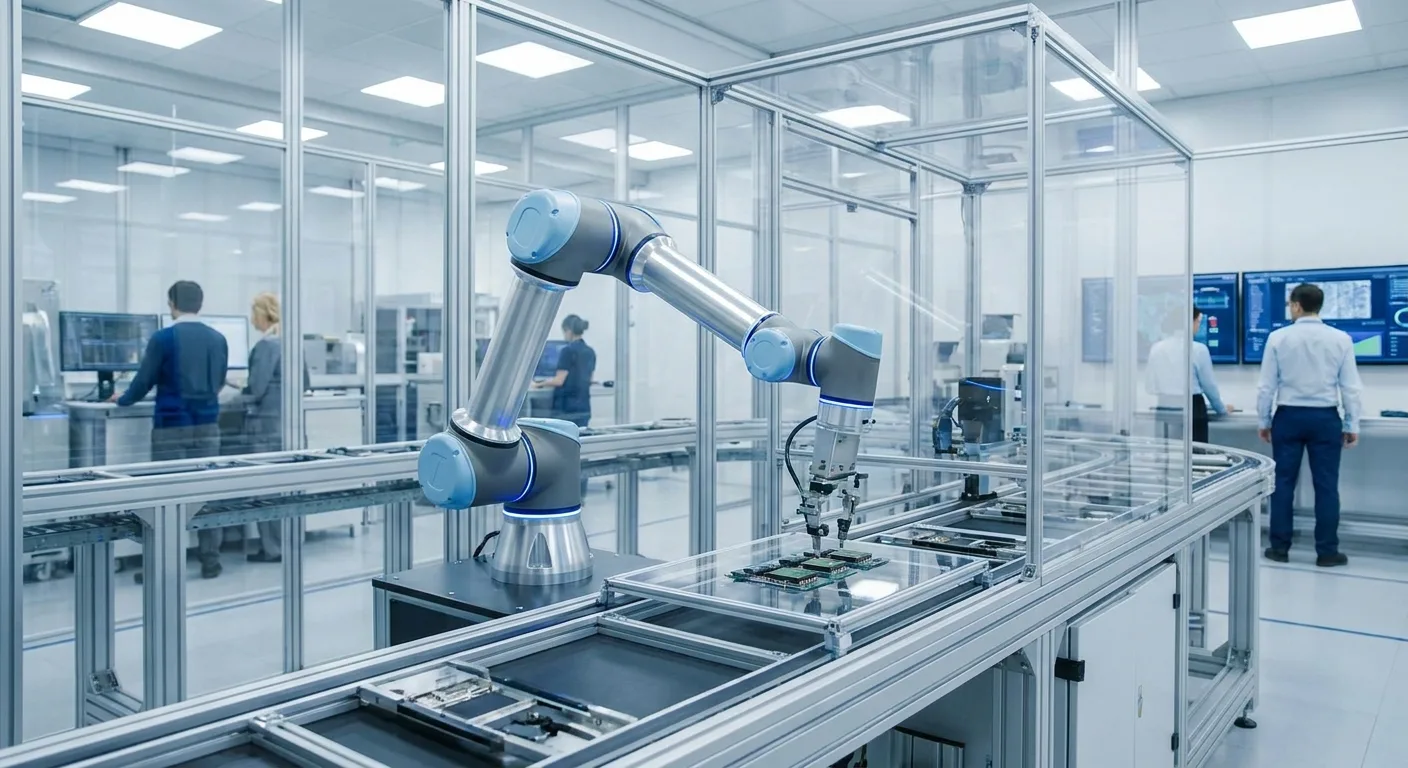
For Malaysian businesses, this global trend is not a distant headline; it’s a reality knocking at the door. The opportunity is immense. Adopting automation can lead to huge gains in productivity, allowing companies to produce more, faster, and with fewer errors. AI-powered analytics can uncover valuable customer insights, leading to better marketing and product development. However, there are also challenges. The initial investment in new technology can be high, and there is a real need for a workforce with the right skills to manage and operate these advanced systems. Ignoring this shift is not an option, as competitors, both local and international, are already beginning to leverage these tools to gain a significant edge in the market.
Strategies for Growth and Innovation
So, how can local companies begin this journey? It doesn’t have to happen overnight. The key is to start small and think strategically. Here are a few practical approaches:
- Identify Repetitive Tasks: Look for processes within your operations that are manual, repetitive, and time-consuming. These are often the perfect candidates for automation, freeing up your employees to focus on more creative and strategic work.
- Invest in Skills: The most important asset in this new era is people. Investing in training and upskilling your current workforce to work alongside new technologies is crucial. This could involve courses on data analysis, digital literacy, or machine operation.
- Collaborate and Learn: Stay connected with industry developments. The Malaysian government has recognised the importance of this field, launching initiatives like the National AI Roadmap. Tapping into these resources, attending industry events, and collaborating with technology partners can provide valuable guidance and support.
Embracing the Future, Today
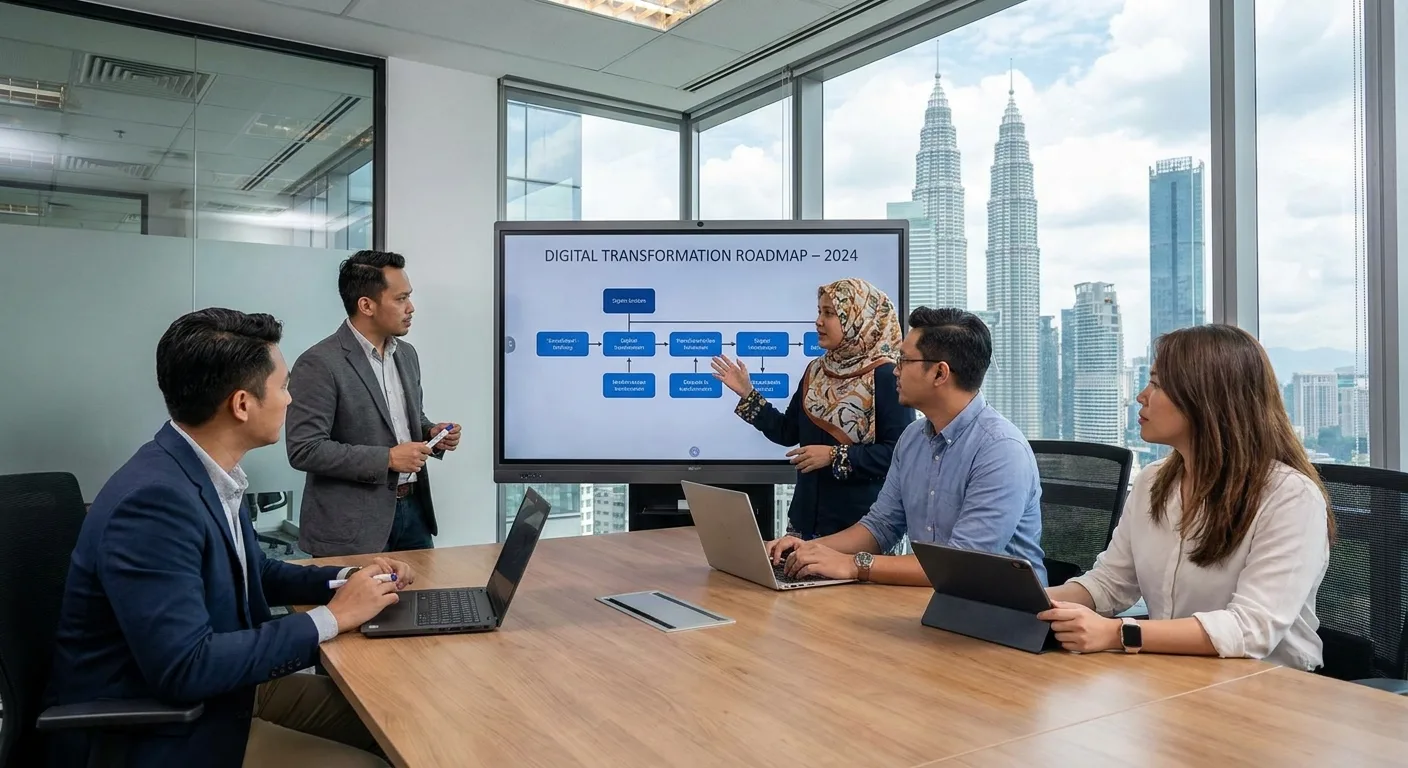
The integration of robotics and AI is more than just a trend; it’s the next logical step in the evolution of business. For Malaysian businesses, the path forward requires a blend of ambition and practical planning. It’s about building a culture of continuous learning and being open to new ways of working. By taking measured steps to integrate automation and intelligence into their operations, companies can not only enhance their efficiency but also unlock new avenues for innovation and growth. This proactive approach will be the defining factor that separates the leaders from the followers in Malaysia’s increasingly competitive economic landscape. The future isn’t just coming; it’s here, and it’s time to build it.
In conclusion, the rise of robotics and AI represents a pivotal moment for industries worldwide, and Malaysia is no exception. This technological wave is reshaping how companies operate, compete, and create value. As we’ve discussed, the opportunities for increased productivity, enhanced innovation, and greater market competitiveness are substantial. However, navigating the challenges of cost, implementation, and workforce adaptation requires a clear and deliberate strategy. For Malaysian enterprises, the journey begins with understanding the potential, identifying key areas for integration, and investing in the skills of their people. By embracing this transformation proactively, our businesses can not only survive but thrive, securing a strong and prosperous position in the global economy of tomorrow.