

Global Shifts, How Malaysian Business Can Thrive
Beyond Our Borders: How Global Shifts are Reshaping Malaysian Business
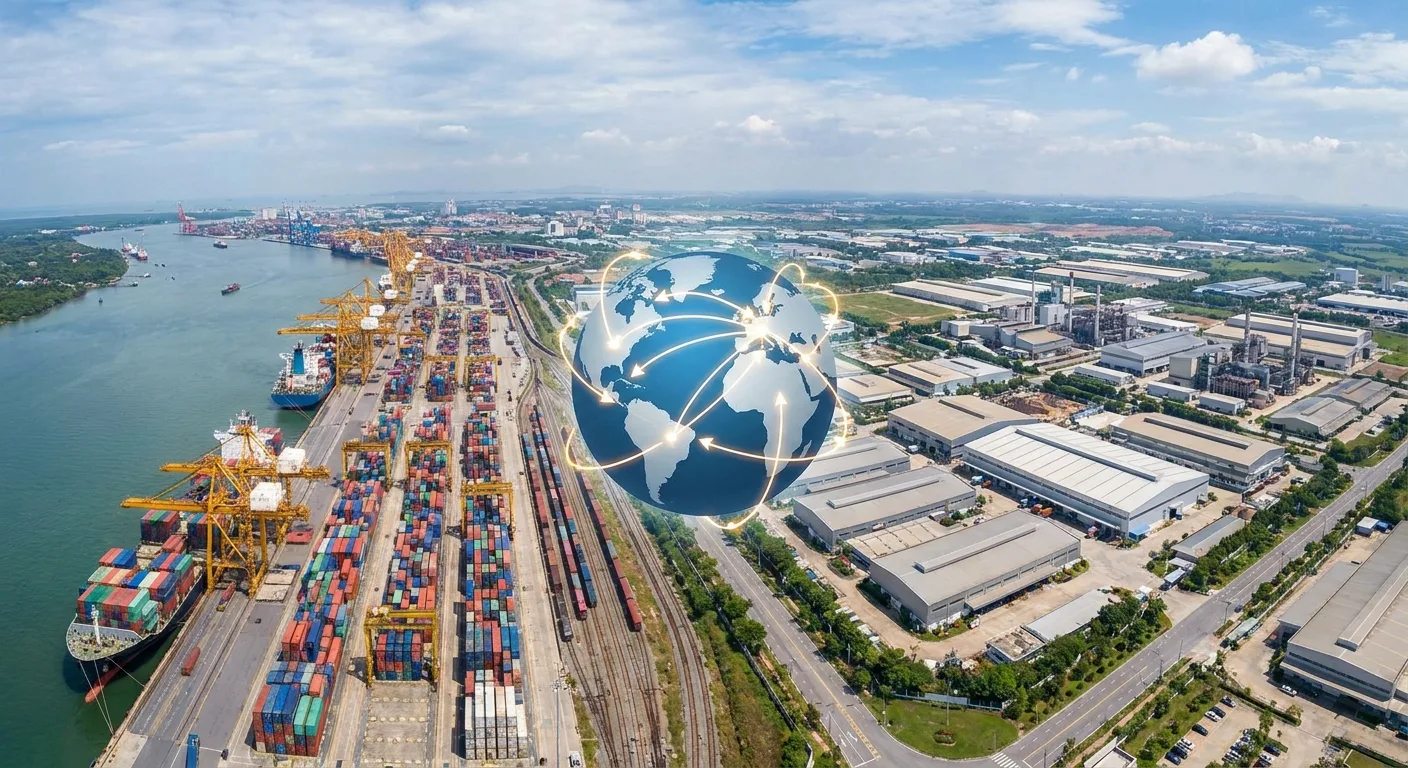
Imagine a still pond. A single stone dropped far away sends ripples that eventually lap at your shore. In today’s global economy, our Malaysian business landscape is that shore, and the stones are economic and political events happening thousands of miles away. It’s easy to dismiss a news headline from Tokyo or a policy shift in Beijing as distant noise, but these events have real, tangible consequences for companies right here in Kuala Lumpur, Johor Bahru, and Penang. The world is more interconnected than ever before, and understanding these global currents is no longer just for large corporations; it is essential for every ambitious Malaysian enterprise. This article explores these key global developments and offers insights on how we can navigate this complex environment together.
The Economic Pulse from Abroad
For decades, we’ve looked to major economies as indicators of what’s to come. Recently, Japan’s economy has been a fascinating case. After years of near-zero growth, the country is seeing signs of life, leading its central bank to make significant policy changes. What does this mean for a business in Malaysia? A potentially stronger Japanese Yen could make our exports, from palm oil to manufactured goods, more affordable and attractive to Japanese consumers. On the other hand, for businesses that import Japanese technology or car parts, costs could rise. Similarly, when China adjusts its tax policies, the shockwaves are felt across global supply chains. A change in export rebates there can alter the cost of components for a Malaysian factory overnight, affecting profit margins and final product pricing.
Geopolitical Tensions and Their Local Impact
It’s impossible to discuss global shifts without acknowledging the ongoing conflict between Russia and Ukraine. While geographically distant, its effects are felt directly in our wallets and business plans. The war has disrupted global energy supplies, leading to volatile fuel prices. For any Malaysian business involved in logistics, manufacturing, or even agriculture, these higher energy costs squeeze profitability. Furthermore, the disruption to grain and fertiliser exports from the region has driven up food prices globally, impacting our local food and beverage industry, from small cafes to large-scale food producers. These events serve as a stark reminder that geopolitical stability is directly linked to economic predictability.
When Leadership and Strategies Change
Beyond government policies and conflicts, changes within major global corporations also create significant ripples. Consider when a new CEO takes the helm of a multinational technology giant. Their new vision might involve shifting manufacturing priorities, perhaps moving a key production line from a neighbouring country to Malaysia to take advantage of our skilled workforce and stable environment. This presents a huge opportunity. Conversely, a change in strategy could also lead a long-term partner to pull back on investments. Staying informed about these leadership shifts allows businesses to anticipate potential changes, pivot their strategies, and proactively adapt to new partnership landscapes rather than being caught off guard.
Navigating Complexity and Finding Opportunity
Seeing these challenges laid out can feel overwhelming, but within every shift lies an opportunity. The key is to move from a reactive position to a proactive one. How can a Malaysian business adapt in a practical sense? It starts with diversification. Relying on a single supplier from one country is a high-risk strategy in today’s world. Exploring alternative suppliers in different regions can build resilience. It also means actively looking for new markets. If a stronger Yen makes exporting to Japan more viable, it is time to research that market. By staying informed and agile, businesses can not only shield themselves from shocks but also position themselves to seize the openings that others might miss.
Conclusion: How to Thrive in a Connected World
The key takeaway for every Malaysian business owner is that we are no longer operating in a local bubble. The world is a deeply interconnected ecosystem where economic tremors in one region send powerful waves to another. From Japan’s monetary policy to conflict in Eastern Europe, these global events directly influence our costs, supply chains, and market opportunities. However, this reality should not be a source of fear, but a call to action. By staying informed, embracing agility, and building resilient strategies, we can learn to navigate these currents. The goal is not merely to survive the changes but to learn how to ride the waves of global transformation and ultimately thrive because of them.