

AI, Semiconductors, and Malaysia’s Competitive Edge
The conversations happening in boardrooms from Silicon Valley to Seoul are no longer distant echoes; they are the drumbeat of a new industrial era. From tensions over semiconductor supply chains to the latest AI integrations by tech giants, the message is clear: technology is not just supporting business anymore, it is leading it. For us in Malaysia, this global shift isn’t something to simply observe. It represents a a wave of change that is already reaching our shores. This article explores how two key forces, artificial intelligence (AI) and semiconductor technology, are reshaping the future of business and what Malaysian companies can do to navigate and succeed in this new landscape.

A Global Story with Local Impact
Look at the world news, and a pattern emerges. Geopolitical discussions now heavily feature technology, particularly the chips that power everything. Economic forecasts are increasingly influenced by the performance of tech stocks across Asia. Major companies are in a race to embed AI into their services. These are not separate stories. They are chapters of the same book, detailing the profound integration of technology into the fabric of the global economy. This isn’t just a concern for international corporations. The ripple effects, from supply chain availability to software capabilities, directly influence the opportunities and challenges faced by businesses right here in Malaysia. As a nation with a strong foundation in the semiconductor industry, we are uniquely positioned not just to witness this change, but to be an active part of it.
Malaysia’s Moment in the Tech Spotlight
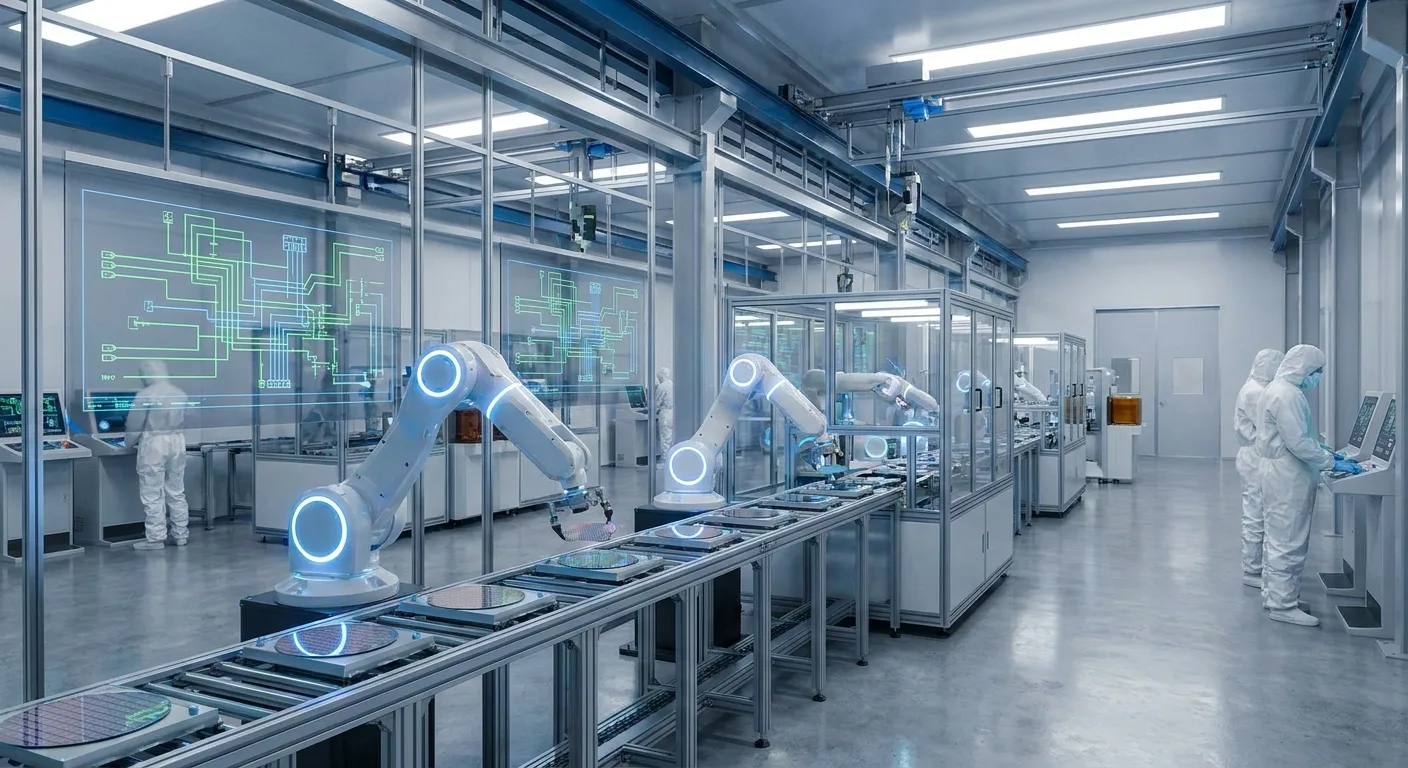
Malaysia has long been a key player in the global electronics and semiconductor scene, particularly in assembly and testing. The government’s recently announced National Semiconductor Strategy (NSS) signals a clear ambition to move up the value chain, focusing more on high-value activities like chip design and advanced packaging. This strategic push aligns perfectly with the growing global demand. At the same time, AI adoption is quietly gathering momentum across local industries. We see it in sophisticated customer service bots, in logistics companies predicting demand with greater accuracy, and in financial services firms using AI for risk assessment. This dual focus on hardware (semiconductors) and software (AI) creates a powerful synergy for the nation’s economy.
How Your Business Can Gain a Competitive Edge
So, what does this mean for your business? It means that leveraging these technologies is no longer an option for the future; it is a necessity for today. Adopting AI isn’t about installing a single piece of complicated software. It’s about rethinking processes. Could an AI-driven inventory system reduce waste and ensure you always have the right stock? Could machine learning help you understand customer behaviour and personalise your marketing? On the hardware side, the advancements in semiconductors mean more powerful and efficient devices. For manufacturers, this could mean smarter factory equipment. For any business, it means faster computing that can handle more complex data, enabling better and quicker decision-making. Embracing these tools is how you move from simply competing to leading the pack.
Taking Practical Steps with Transformative Technologies
Understanding the potential is the first step; acting on it is what makes the difference. Proactively engaging with these transformative technologies requires a clear strategy. Start by identifying the biggest challenges or bottlenecks in your operations. Where could automation or better data analysis have the most impact? It doesn’t have to be a massive, company-wide overhaul from day one. Consider starting with a small pilot project to test an AI solution in a specific department. Equally important is investing in your people. Upskilling your team to work alongside these new systems is essential for a smooth transition and for fostering a culture of innovation. Exploring partnerships with local tech start-ups can also provide access to specialised expertise without the need for large in-house development teams.
Shaping the Future Business Environment
The collective actions of individual businesses will ultimately redefine Malaysia’s entire business environment. As more companies adopt AI and leverage advanced semiconductor capabilities, we will see a shift in the skills that are in demand. New job roles focused on data science, AI ethics, and robotics management will emerge. Industries may find new ways to collaborate, creating integrated supply chains powered by shared data and intelligent systems. This creates a positive feedback loop: as the digital infrastructure and talent pool grow stronger, it becomes even easier and more attractive for other businesses to innovate. By being an early adopter, your company not only secures its own future but also contributes to building a more dynamic and resilient national economy.
In summary, the global trend is undeniable: AI and semiconductors are the core drivers of the next phase of economic growth. For Malaysian businesses, this presents a clear mandate. The strategic focus on strengthening our national semiconductor industry, coupled with the increasing adoption of AI, provides a solid foundation. By proactively exploring and integrating these transformative technologies, companies can solve operational challenges, enhance customer experiences, and unlock significant growth opportunities. This is more than just keeping up with trends; it is about actively shaping the future. Making smart, strategic investments in technology today is what will provide a lasting competitive edge and ensure your business thrives in the evolving business environment of tomorrow.