
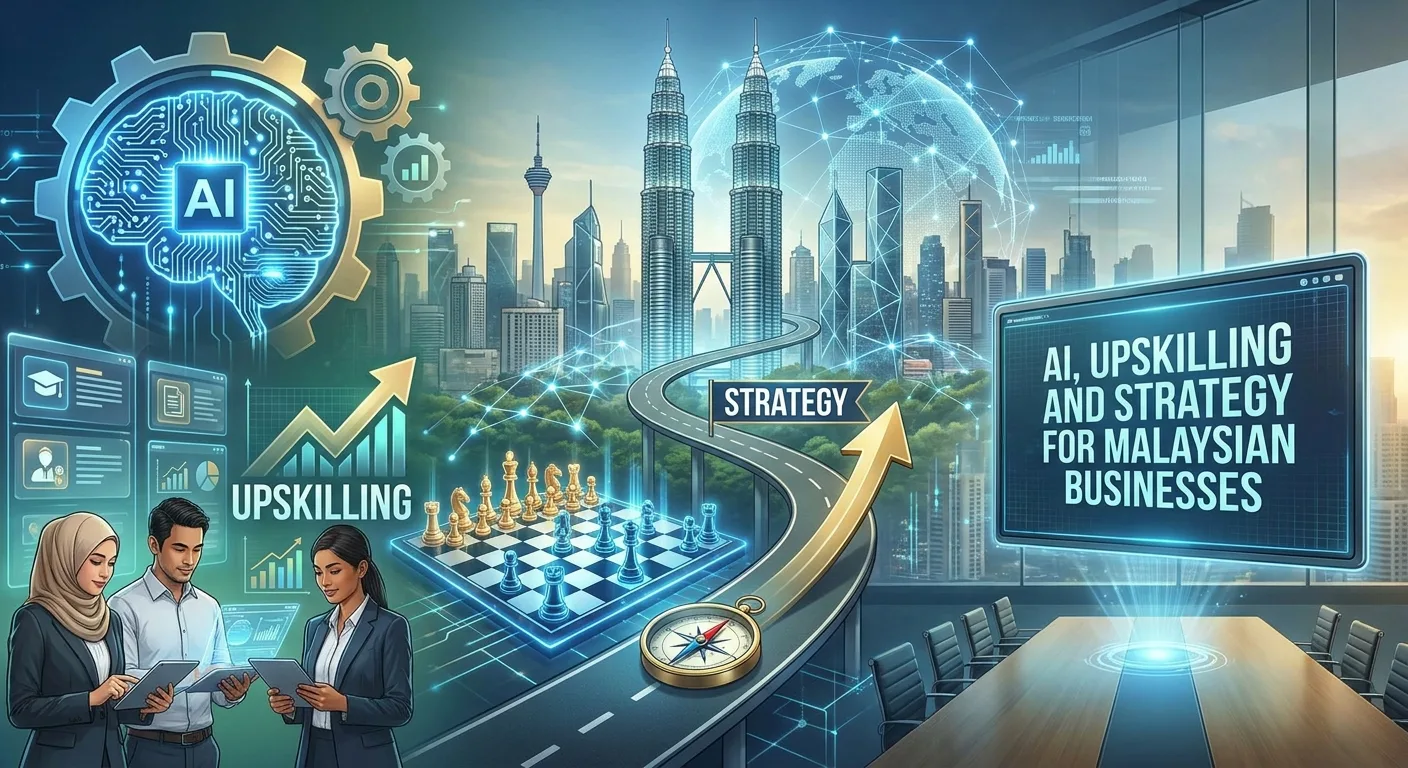
AI, Upskilling and Strategy for Malaysian Businesses
The business rulebook we have all followed for decades is being rewritten right before our eyes. The currents of global trade are shifting, and a powerful wave of technology is reshaping coastlines we once thought were permanent. For businesses here in Malaysia, standing still is no longer an option; we must learn to sail in these new, unpredictable waters. The twin forces of global economic change and rapid technological disruption, especially the rise of Artificial Intelligence, are creating a landscape of both challenge and opportunity. This new environment demands more than just hard work; it requires agility, foresight, and a clear strategy to not just survive, but to thrive in the years ahead.
The Shifting Sands of Global Trade
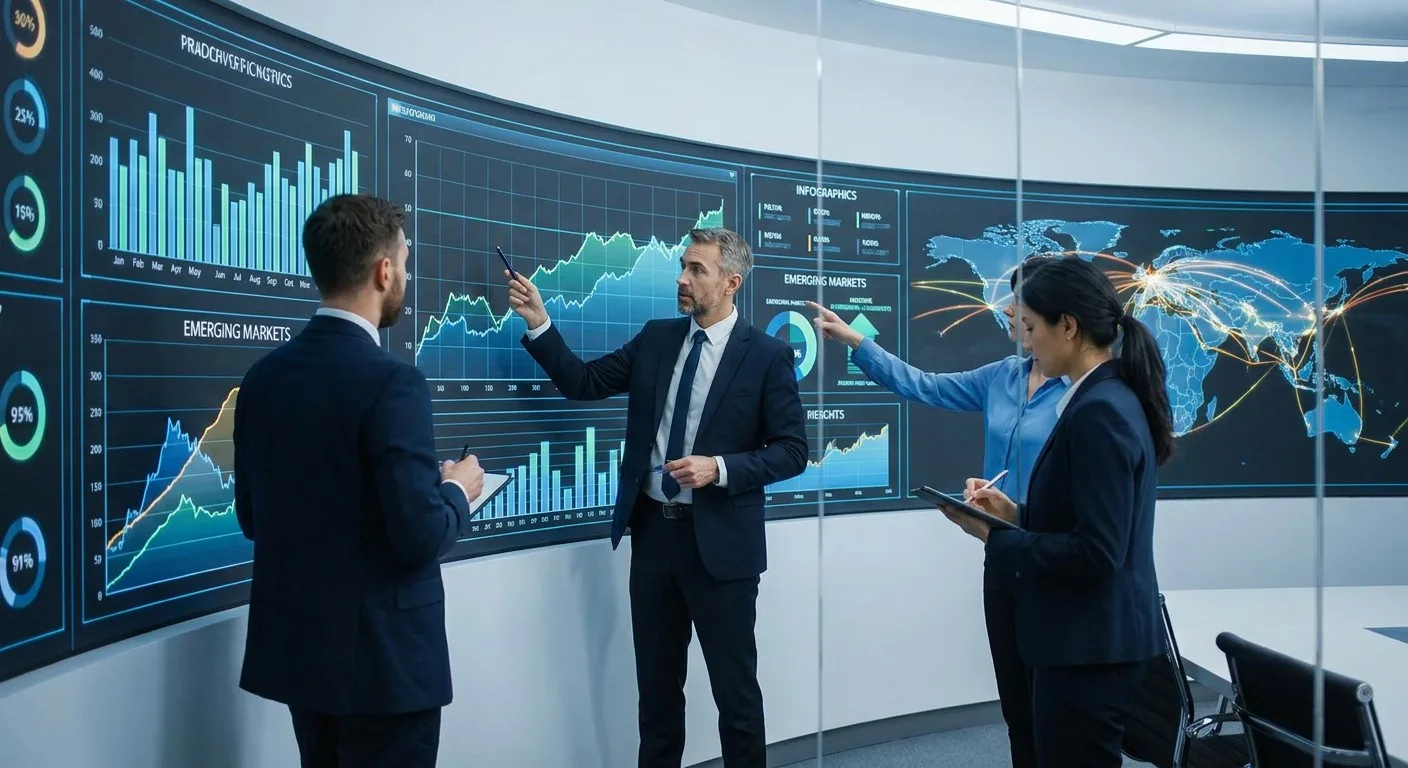
For years, global trade followed a fairly predictable pattern. Today, that pattern is being disrupted. We are seeing major economies like China recalibrate their export strategies, focusing more on high-tech goods and creating new dynamics in the global supply chain. Geopolitical tensions are causing businesses worldwide to rethink their dependencies, looking for more stable and resilient partnerships. For Malaysian companies, this is a double-edged sword. While it can create uncertainty, it also opens doors. As global corporations diversify their supply chains, Malaysia has a prime opportunity to position itself as a reliable and skilled partner in manufacturing, technology, and services, moving beyond traditional roles.
The AI Revolution is Not Coming; It is Here
Artificial Intelligence has moved from science fiction to a practical business tool. It’s changing how companies operate from the ground up. In Malaysia, forward-thinking businesses are already using AI to make their logistics more efficient, understand customer behaviour through data analysis, and provide instant support with smart chatbots. The key is to see AI not as a threat that will replace jobs, but as a partner that can enhance them. Successful AI integration is about using technology to free up your team from repetitive tasks, allowing them to focus on creativity, strategy, and complex problem-solving—the things humans do best. This move makes a business smarter, faster, and more competitive.
Forging a Path Forward: Strategy is Everything
Navigating this new era requires a deliberate and proactive plan. The biggest mistake a business can make right now is to wait and see what happens. The challenges are clear: the need for new skills, the cost of new technology, and the uncertainty of global markets. However, the opportunities are just as significant. The tech sector, in particular, offers huge potential. By adopting digital tools, Malaysian enterprises can reach customers across the globe, optimise their operations, and create innovative products and services. Adaptability is the new currency for success, and those who can pivot quickly will capture the most value.
Building a Resilient Malaysian Enterprise
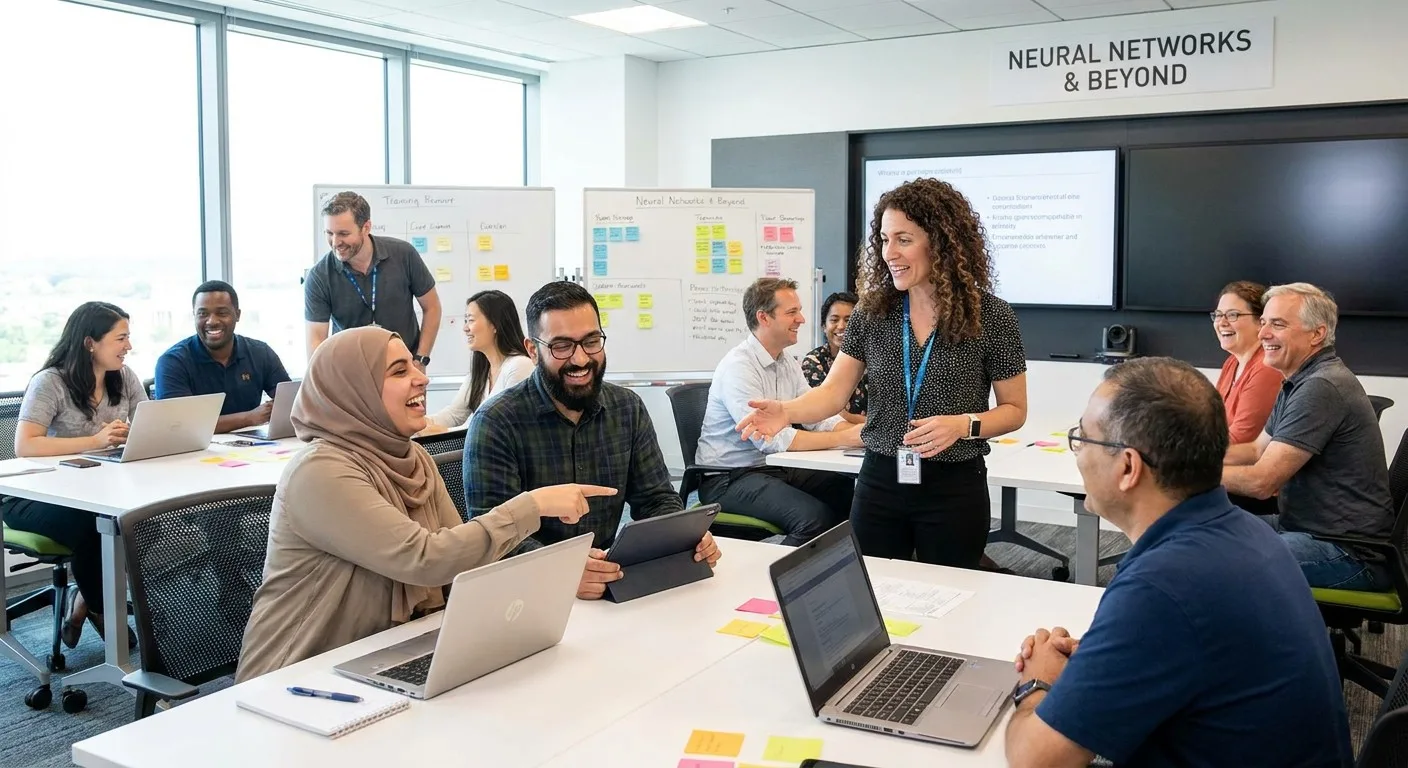
So, where do we begin? The journey to resilience starts from within. The single most important investment you can make is in your people through continuous upskilling. As technology evolves, so must the skills of your workforce. Training in data analytics, digital marketing, and software development is becoming essential across all industries. Secondly, a strategic approach to AI integration can provide a serious competitive advantage. Start small with a pilot project to see where it can deliver the most impact. Finally, we must rethink our international presence. Relying on a single overseas market is risky. Developing flexible international partnership models, such as joint ventures or project-based collaborations with multiple partners, creates a safety net and allows your business to adapt as global conditions change.
The economic waters ahead may be turbulent, but they are also full of possibility. For Malaysian businesses, the path to not only weathering the storm but harnessing its power lies in a focused, three-part strategy. It begins with a deep commitment to your team through consistent upskilling, ensuring they are ready for the challenges of tomorrow. It continues by intelligently embracing new tools with smart AI integration to boost efficiency and innovation. Finally, it involves building a robust and agile global footprint through flexible international partnership models. By focusing on these core areas, we can build enterprises that are not just resilient but are also leaders in this dynamic new global economy. The future is not something that happens to us; it is something we build together.