

Geopolitical Risk and Malaysian Business Strategy
A heated exchange between world leaders, a signed treaty thousands of miles away—these events can feel distant, like headlines from another world. But in our interconnected global economy, the ripples from these political shifts travel farther and faster than ever before. The recent tensions between Iran and the United States offer a stark reminder that what happens on the world stage does not stay there. For businesses here in Malaysia, these international developments are not just news; they are critical business intelligence. Understanding how these geopolitical undercurrents can reshape trade, rock commodity markets, and create supply chain chaos is no longer a niche concern for large corporations. It is a fundamental part of modern business survival for entrepreneurs and investors alike.
The Global Ripple: From Distant Conflicts to Local Impact
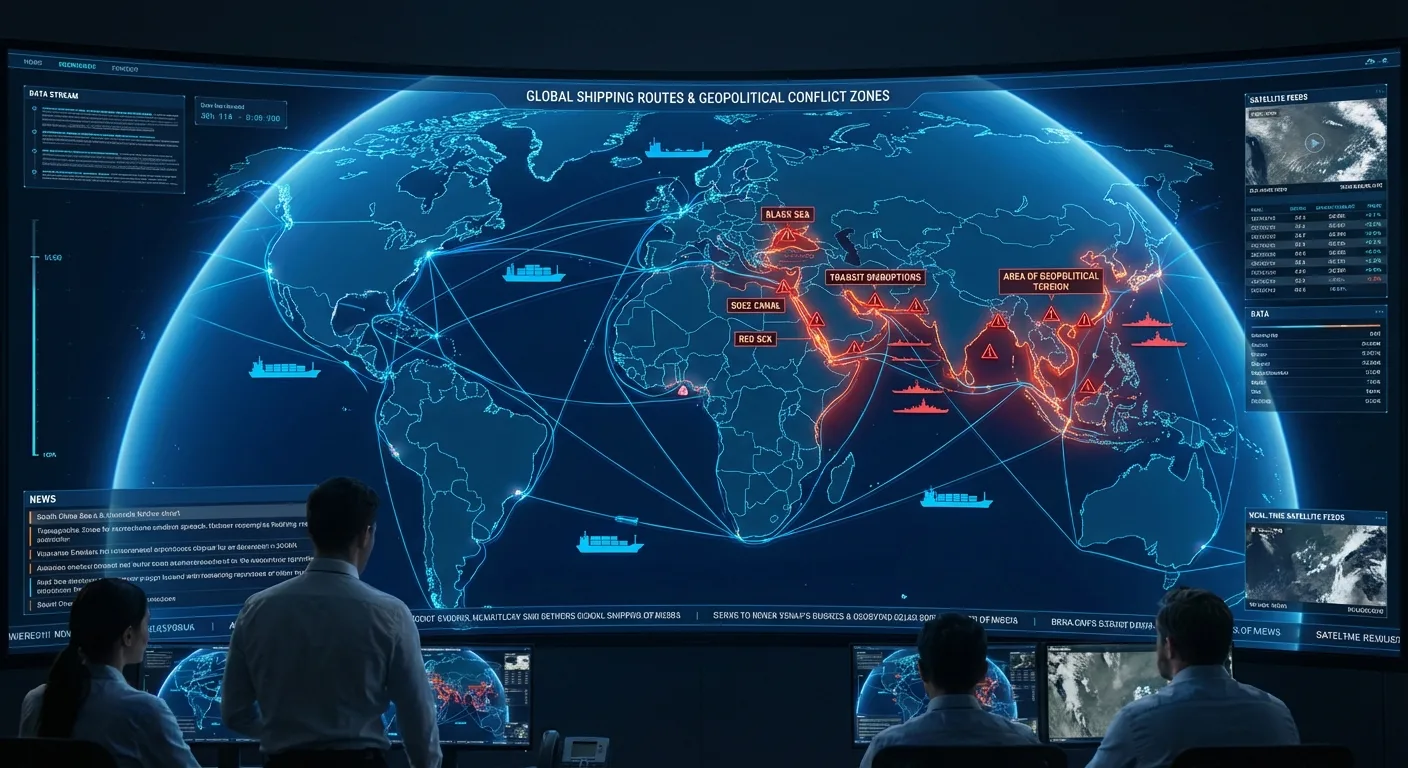
The standoff between Iran and the United States, particularly around crucial shipping lanes like the Strait of Hormuz, sent shivers through the global business community. While a direct military conflict may have been averted for now, the underlying tension remains. This uncertainty is a powerful economic force in itself. It’s not just about the immediate threat; it’s about the ‘what ifs’. What if a major shipping route is disrupted? What if sanctions are tightened? These questions create volatility, and that volatility has a direct impact on the cost of doing business. From a garment factory in India waiting on raw materials to a tech company in Penang relying on imported components, no one is truly insulated from these global tremors.
How Tensions Abroad Hit Home for Malaysian Businesses
It’s easy to dismiss these events as problems for other countries, but the economic fallout lands squarely on our shores. The direct connection for our Malaysian audience is most obvious in three key areas. First, supply chain vulnerabilities are exposed. Many of our local businesses depend on a smooth flow of goods from across the world. Geopolitical friction can cause shipping delays, drive up insurance premiums for cargo, or even cut off access to certain suppliers entirely. A business that relies on a single source for a critical part can find its entire operation grinding to a halt because of a conflict it has no part in.
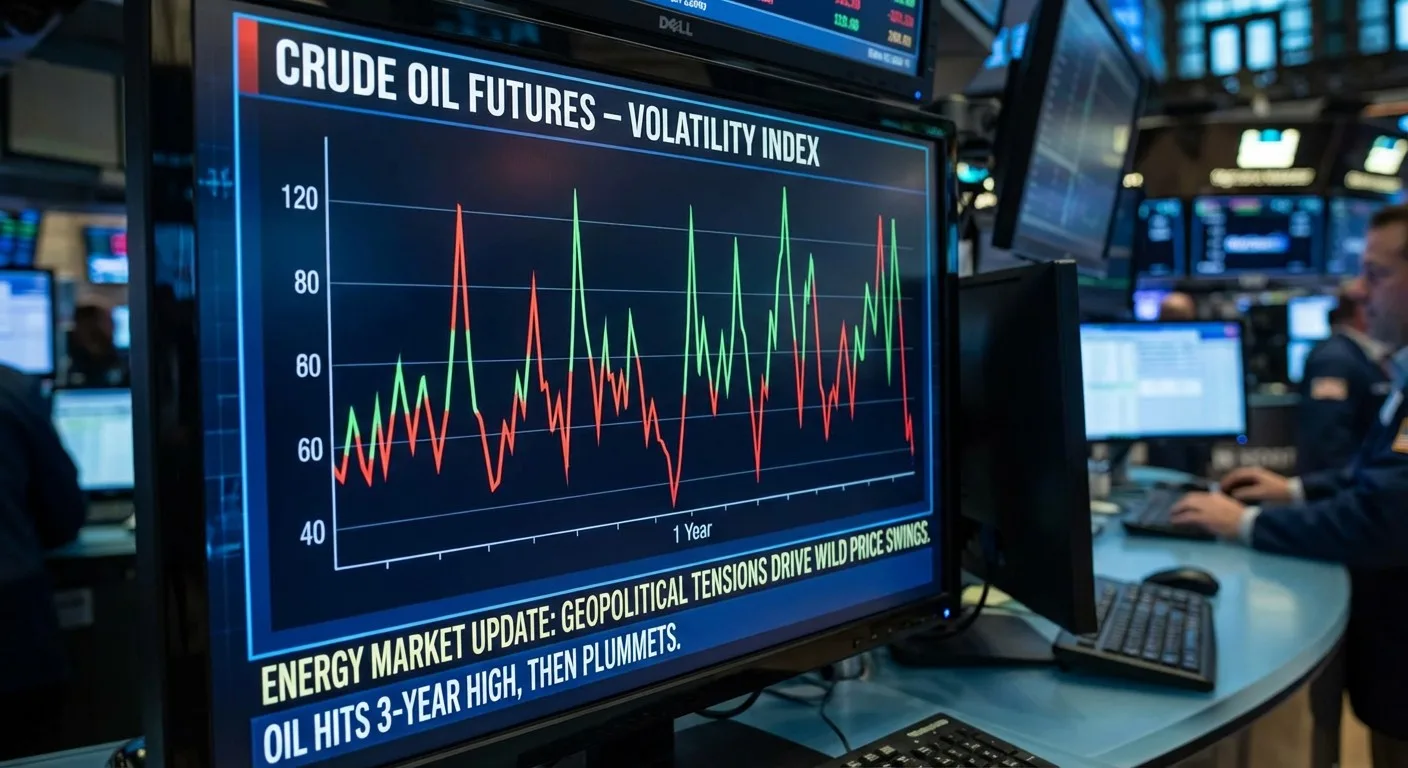
Second is the fluctuation of commodity prices, especially oil. As an oil-producing nation, Malaysia has a complex relationship with global oil prices. While higher prices can boost national revenue, they also translate to increased operational costs for nearly every business. Logistics companies face higher fuel bills, manufacturers see their energy costs rise, and this ultimately gets passed on to the consumer. This volatility makes financial forecasting incredibly difficult for businesses of all sizes, from small local cafes to large industrial plants.
Developing Adaptive Strategies for an Unpredictable World
So, what can be done when faced with such large-scale uncertainty? The answer is not to predict the future, but to prepare for multiple futures. This is where adaptive strategies become essential. Businesses must move beyond rigid annual plans and embrace a more flexible approach. This involves scenario planning: thinking through how the business would respond to different potential disruptions. For example, what is the contingency plan if a primary supplier in a politically unstable region becomes unavailable? Proactively identifying alternative suppliers in different geographical locations can be a business-saving move.
Furthermore, diversification is a key defence. This doesn’t just apply to investment portfolios, but to supply chains as well. Relying on a single country or region for raw materials or manufacturing is a significant risk. Spreading this dependency across several stable regions builds resilience. This requires careful research and upfront investment, but it is a crucial element of long-term strategic planning. The goal is to build a business that can bend without breaking when global winds change direction.

Conclusion: Turning Uncertainty into Opportunity
In today’s globalised market, staying informed about international political developments is no longer optional; it is a core business function. The recent Iran-U.S. tensions are a clear lesson that geopolitical risk is business risk. For the Malaysian audience, from ambitious entrepreneurs to seasoned investors, the challenge is to look beyond the headlines and analyse the potential impact on supply chains, costs, and market stability. By embracing proactive and flexible strategies, businesses can better navigate the inevitable disruptions. It’s about building resilience and agility into the very fabric of your operations. This thoughtful approach to strategic planning will not only protect your business from unforeseen shocks but can also uncover opportunities to gain a competitive edge in an uncertain world.