

Navigating Geopolitics, Energy for Malaysian Business
The world often feels vast, but a single event thousands of miles away can send ripples across the globe, reaching our shores in Malaysia sooner than we think. These are not waves of water, but waves of change, driven by politics, conflict, and economic power plays. Right now, the complex web of Geopolitical Tensions, particularly those involving the Middle East, is dramatically reshaping global Energy Market Dynamics. For business leaders here at home, understanding this connection is no longer an academic exercise; it’s a commercial necessity. This isn’t just about watching the news; it’s about connecting the dots between international headlines and your company’s bottom line, from supply chain costs to long-term investment strategies.
The Ripple Effect: From Global Headlines to Your Balance Sheet
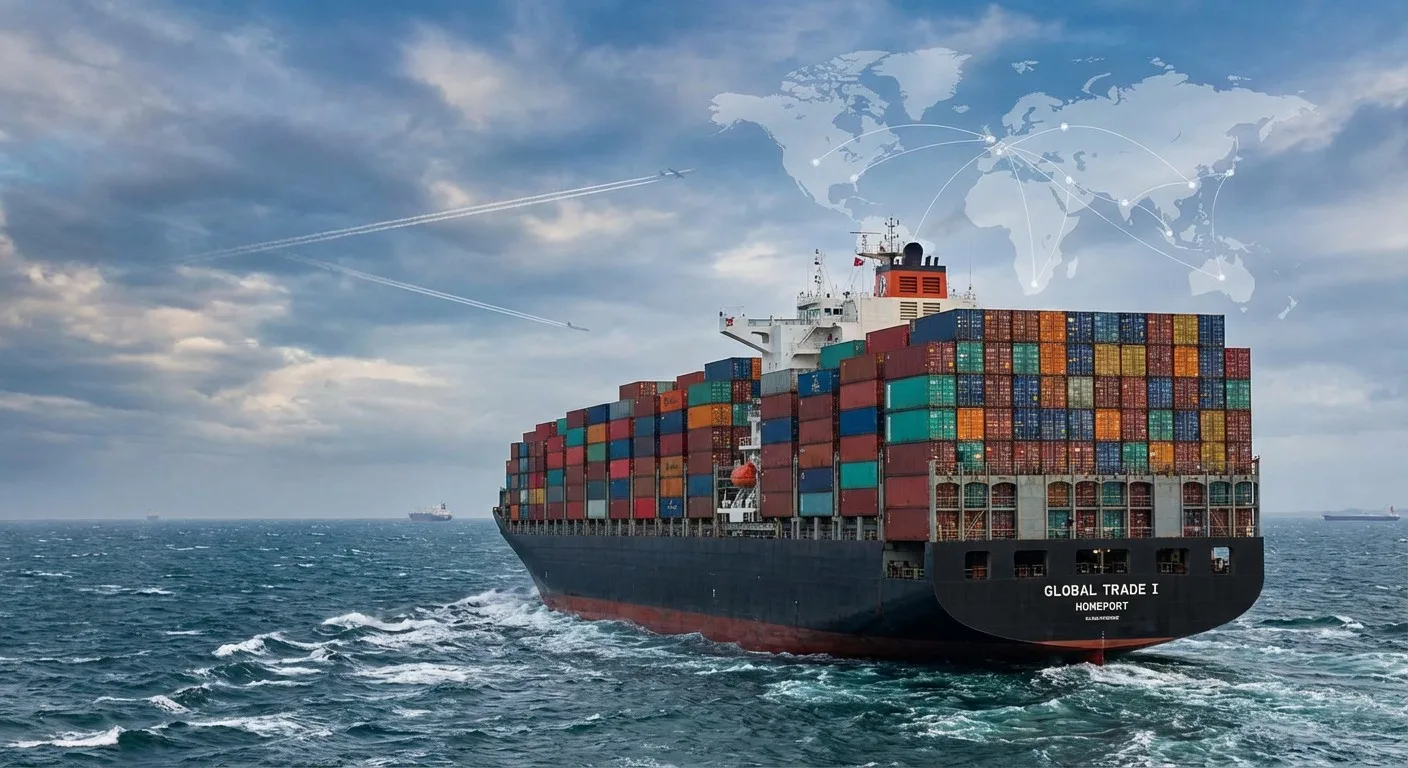
When we hear about conflicts or political stand-offs in regions like the Middle East, it’s easy to view them as distant problems. However, these events have a direct and tangible impact on the world’s energy supply. Key shipping lanes, such as the Strait of Hormuz, are critical arteries for global oil transport, with a significant portion of crude oil destined for Asia passing through them. Any disruption, or even the threat of one, creates uncertainty. This uncertainty pushes oil prices up almost immediately. It’s a simple case of supply and demand risk; when the market fears a shortage, prices rise. For Malaysia, a nation intertwined with global trade, these price hikes aren’t just numbers on a screen. They translate into higher fuel costs for logistics, increased operational expenses for manufacturing, and potentially higher prices for consumers, which can dampen domestic demand.
Why This Matters for Malaysian Businesses
The immediate impact of rising energy costs is clear, but the implications run much deeper for Malaysian Businesses. Companies that rely heavily on imported materials or components may find their profit margins squeezed by rising shipping and production costs. The transportation and logistics sector feels the pinch directly through higher fuel prices, which are then passed down the supply chain. Even businesses in the service industry are not immune, as rising inflation can affect consumer spending habits. Beyond costs, these geopolitical shifts also influence investment opportunities. Volatility can make investors cautious, but it can also create new openings. For instance, there may be a growing incentive to invest in renewable energy sources or to localise supply chains to reduce dependence on volatile international markets.
Beyond Reaction: Building a Proactive Strategy
Simply reacting to price changes as they happen is a risky strategy. The current landscape demands a more forward-thinking approach. Business leaders should be asking critical questions about their own operations. How exposed is our supply chain to disruptions in specific regions? Do we have alternative suppliers or shipping routes? Exploring these questions is the first step toward building resilience. This might mean diversifying your supplier base, even if it comes at a slightly higher initial cost, or holding a larger inventory of critical components to buffer against shipping delays. It’s about shifting from a “just-in-time” model to a “just-in-case” mindset, preparing your business for turbulence before it hits.

The Power of Being Adaptable
In this new environment, the most successful businesses will be the ones that are most Adaptable. Being adaptable means more than just having a backup plan; it means creating an organisation that can pivot quickly. This involves:
- Proactive Monitoring: Actively tracking geopolitical developments, not just in the Middle East but across the Asia-Pacific region as well. Understanding the shifting alliances and trade policies can provide early warnings of both risks and opportunities.
- Scenario Planning: Running simulations for different outcomes. What happens to our business if oil prices jump by 20%? What if a key shipping lane is closed for two weeks? Having a plan for these scenarios allows for calm, strategic decision-making in a crisis.
- Agile Decision-Making: Empowering teams to respond to changes swiftly without getting bogged down by bureaucracy. A flexible and informed workforce is your greatest asset when navigating uncertainty.
This proactive stance turns a challenge into a potential competitive advantage. While competitors are scrambling to react, an adaptable business can already be executing its contingency plan.
Embracing Complexity for Future Growth
The intersection of global politics and economic trends is undeniably complex, but it is a reality that we cannot afford to ignore. The era of stable, predictable global trade is being challenged by rising Geopolitical Tensions and their direct influence on Energy Market Dynamics. For Malaysian Businesses, the path forward is not to fear this complexity but to embrace it. By staying informed, questioning dependencies, and building a truly Adaptable operational framework, we can navigate these choppy waters effectively. This is about more than just survival; it’s about positioning our businesses to be resilient and ready to seize the opportunities that emerge from change. Ultimately, those who understand the global landscape will be best equipped to lead and thrive in the years to come.