

Global Trade Tensions: Impact on Malaysian Businesses
A single decision made thousands of miles away can feel distant, like a story on the news that has little bearing on our daily lives in Malaysia. Yet, the world is more connected than ever. The ongoing trade disputes between global giants are not just distant headlines; they are creating tangible ripple effects that are reaching our shores and impacting local businesses in profound ways. These shifts are creating a new, challenging environment that every Malaysian entrepreneur and executive must understand to navigate successfully. In this article, we will explore the real-world consequences of these global trade tensions, looking specifically at how they are affecting drug prices, creating hurdles for our technology sector, and fuelling inflation concerns that touch every part of our economy.
The Rising Cost of Wellness
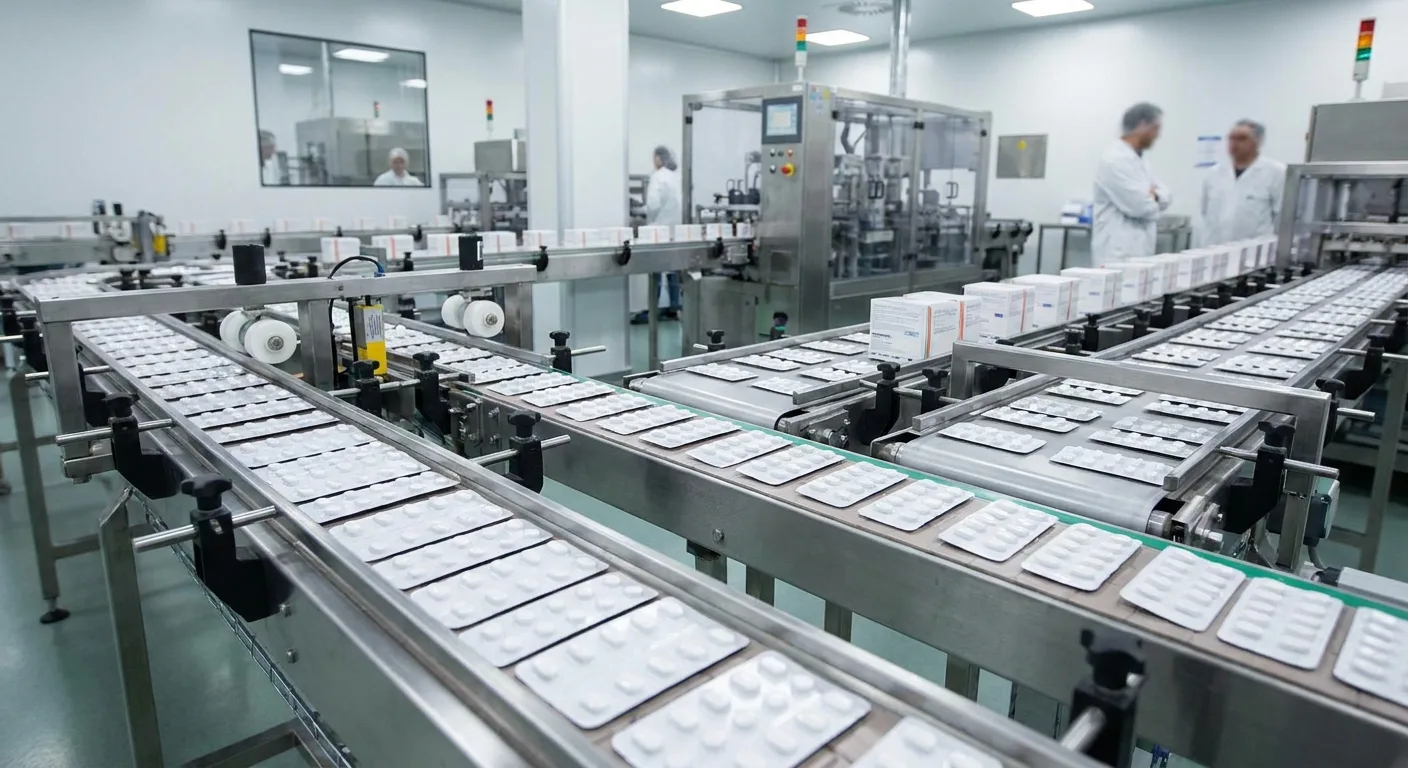
For years, many of us have taken access to affordable generic medicines for granted. However, the complex global supply chain that makes this possible is now under strain. A significant portion of the active pharmaceutical ingredients (APIs)—the core components of these drugs—are manufactured in countries like China and India. When tariffs and trade restrictions are imposed, it disrupts this delicate ecosystem. Suddenly, the cost of importing these essential raw materials can increase, or worse, their availability can become uncertain. This pressure is felt directly by Malaysian pharmaceutical companies, who must then make a difficult choice: absorb the higher costs and squeeze their own margins, or pass the increase on to distributors, pharmacies, and ultimately, the consumer. This isn’t a hypothetical problem; it’s a direct threat to both the profitability of our healthcare businesses and the accessibility of affordable healthcare for all Malaysians.
Technology’s Tightrope Walk
Malaysia has rightfully earned its place as a critical hub in the global technology and electronics supply chain. Our semiconductor and electronics manufacturing sectors are world-class. However, this position also makes the industry particularly vulnerable to trade disputes. The threat of a “cash drain” is real. As multinational corporations reassess their global strategies amidst the uncertainty, planned investments in new facilities or technology upgrades can be put on hold. This hesitancy can slow down innovation and job creation. Conversely, these tensions also present a unique opportunity. Some international companies are actively seeking to diversify their manufacturing bases away from over-concentration in a single country. This “China+1” strategy could direct significant investment towards Southeast Asia, with Malaysia being a prime candidate. The challenge for our tech firms is to walk this tightrope: navigating the risks of a global slowdown while positioning themselves to capture the opportunities that arise from supply chain realignment.
The Inflationary Squeeze on Operations
Inflation is a word that often sounds abstract, but for business owners, it’s a very concrete reality. We are seeing inflation rates rise in developed economies like Japan, partly driven by increasing oil prices and disrupted shipping lanes—both of which are aggravated by trade friction. These global price hikes do not stop at the border. For Malaysian businesses, this translates into higher costs for fuel, transportation, and imported raw materials across all sectors. This inflationary pressure squeezes profit margins and complicates financial planning. Companies are forced to decide whether to absorb these costs, which can hinder growth, or pass them on to customers, which risks making them less competitive. Managing this inflationary squeeze requires careful financial stewardship and a strategic focus on operational efficiency to protect the bottom line in a tough economic landscape.

Charting a Course for Resilience
Simply understanding these challenges is not enough; proactive strategies are needed to build resilience. For Malaysian businesses caught in the middle of these global shifts, waiting and hoping for the best is not a viable option. We believe the key to staying competitive lies in adaptability. This includes:
- Diversifying Supply Chains: Actively reduce reliance on a single country for critical supplies. Exploring suppliers within the ASEAN region can build a more robust and less vulnerable supply network.
- Strengthening Regional Focus: The ASEAN market itself represents a massive opportunity. Strengthening trade ties with our neighbours can create a buffer against disputes happening further afield.
- Investing in Innovation: Move up the value chain. Instead of just competing on price, investing in research, development, and unique service offerings can make a business less susceptible to cost fluctuations.
- Embracing Digitalisation: Using technology to streamline operations, improve efficiency, and reduce waste is one of a leader’s most powerful tools to counteract rising costs.
Embracing Change for Future Success
The landscape of global commerce is undeniably changing. The era of predictable, stable trade relationships has been replaced by a more dynamic and, at times, volatile environment. The impact of global trade tensions on drug prices, technology investment, and inflation are not isolated issues but interconnected symptoms of this new reality. For Malaysian companies, these pressures present significant hurdles that demand strategic thinking and decisive action. However, within these challenges lie opportunities for growth, innovation, and realignment. By staying informed, agile, and proactive, Malaysian entrepreneurs can not only weather the current storm but also position their businesses to thrive in the evolving global economic landscape, securing their future and contributing to the nation’s prosperity.